
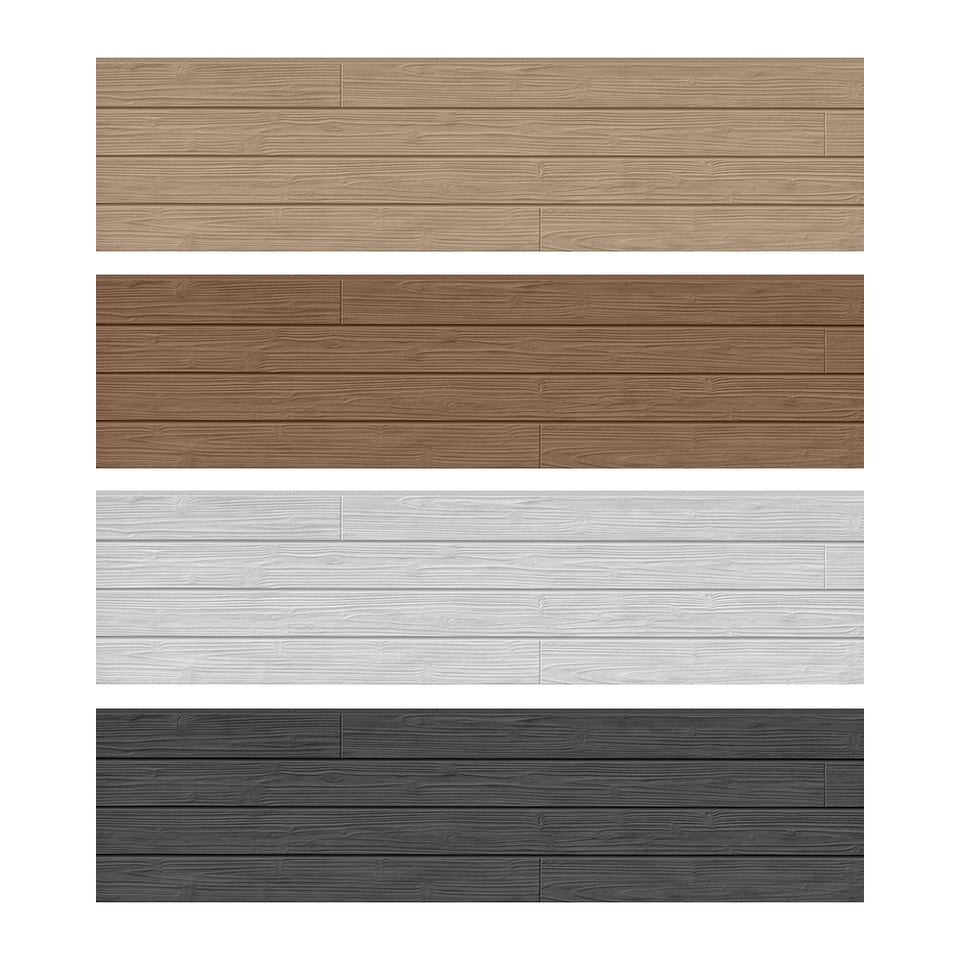
Building Materials Siding Fiber Cement Siding
Fiber cement siding is a practical exterior cladding choice for projects that need strength, stable appearance, and dependable weather protection. In the Building Materials Siding Fiber Cement Siding category, it stands out because it can support classic lap siding, cement fiber shingle siding, exterior wall panels, and coordinated trim details without relying on wood as the main surface. This guide explains where it fits, how it compares with other materials, and what to consider before installation.
Why are builders choosing fiber cement siding?
Builders choose fiber cement siding because it offers a strong balance of durability, design flexibility, and low routine maintenance. It is made to handle exterior exposure while giving homeowners, developers, and contractors a broad range of profiles and finishes. For many projects, that makes it one of the more durable siding options when the goal is a long-lasting façade with a clean architectural look.
Fiber cement is often selected for homes, townhouses, commercial buildings, garden structures, and renovation projects where the exterior needs to look finished without feeling fragile. It can be used to create traditional horizontal lines, shingle-style texture, or a more modern panelized wall system. One available fiber cement exterior wall panel size specification is 303045516mm, which can be useful when planning elevations, estimating coverage, and coordinating installation layouts.
A further benefit is material confidence. The factory holds an SGS 100% asbestos-free test report, and the factory is E0 environmentally friendly. For buyers looking for eco-friendly siding, those details support safer material selection and help project teams make more informed purchasing decisions.

Fiber cement as a weather-ready exterior material
A good siding system should do more than cover a wall. It should help protect the structure from rain, sun, temperature changes, and everyday wear. Fiber cement is valued as weather-resistant siding because it is dimensionally stable compared with many natural materials and can be finished for a wide range of climates and design needs.
This matters in real projects because exterior cladding is constantly exposed. Wind-driven rain, heat, humidity, freezing conditions, and UV exposure can quickly reveal weaknesses in lower-quality materials. Fiber cement does not make a building maintenance-free, but it gives contractors a dependable base material when proper flashing, fastening, sealing, and painting practices are followed.
Design flexibility is another advantage. Fiber cement siding trim can be used around windows, corners, doors, fascia areas, and transitions to create a finished look. When trim and siding are planned together, the exterior feels intentional rather than assembled from unrelated pieces.
Fiber cement siding versus vinyl siding: what should you know?
Fiber cement siding versus vinyl siding comes down to priorities: fiber cement generally appeals to buyers who want a heavier, more rigid exterior with a painted architectural finish, while vinyl often attracts projects focused on lightweight handling and lower upfront simplicity. Neither option is right for every job, so the best choice depends on budget, design goals, installation conditions, and maintenance expectations.
Use this siding comparison guide to frame the decision:
Factor | Fiber cement siding | Vinyl siding |
Appearance | Painted, solid, often closer to wood or masonry-inspired profiles | Broad color range, typically lighter visual weight |
Durability focus | Strong surface, good for long-term exterior performance | Flexible and lightweight, but can be more vulnerable to impact or heat distortion |
Design options | Lap, panel, trim, and siding comparison guide siding comparison guide styles | Mainly lap-style profiles with accessories |
Maintenance | Periodic cleaning and repainting when needed | Cleaning and occasional panel replacement |
Installation | Requires careful cutting, fastening, sealing, and handling | Usually faster and lighter to install |
Many fiber cement reviews focus on the same tradeoff: it can deliver a premium, durable exterior, but it rewards careful planning. The product itself is only part of the result. The quality of the installation, the coating system, and the wall assembly all influence how well the siding performs over time.
Cost and installation planning matter
Fiber cement siding installation cost varies by project size, wall complexity, local labor rates, finish selection, trim package, and whether old siding must be removed. Because these variables can shift significantly, it is better to request project-specific quotes than rely on a generic number. A simple rectangular wall will usually be easier to estimate than a multi-story exterior with many corners, windows, penetrations, and decorative details.
When budgeting, consider more than the board or panel price. Include accessories, fasteners, flashing, sealants, paint or coating, waste allowance, delivery, equipment, and labor. If the project uses larger panels or specialized profiles, handling and layout time may also affect the final estimate.
Practical siding installation tips include:
· Confirm the wall is ready. Sheathing, moisture barriers, flashings, and openings should be prepared before siding begins.
· Plan the layout. Align seams, corners, trim, and panel spacing before cutting material.
· Use appropriate tools. Fiber cement requires correct cutting equipment and dust-control practices.
· Follow fastening guidance. Fasteners must suit the substrate, exposure, and manufacturer instructions.
· Protect edges and joints. Seal or finish cut edges where required, and keep water-management details consistent.
· Coordinate trades. Electricians, plumbers, window installers, and painters should not damage completed siding work.
For larger or more technical projects, experienced fiber cement siding contractors are often worth the investment. They understand clearances, joint treatment, panel handling, and finishing details that can affect long-term performance.
Structural details, trim, and shear considerations
Fiber cement siding is primarily an exterior cladding, but project teams may still discuss fiber cement siding shear when evaluating wall performance, fastening patterns, and overall assembly design. Shear strength depends on the complete wall system, not just the visible siding surface. That means engineers, architects, or qualified building professionals should confirm structural requirements when wind loads, seismic conditions, or code compliance are part of the project.
Trim details also deserve early attention. Corners, window surrounds, starter areas, and roofline transitions are where moisture problems often begin if the assembly is rushed. Good fiber cement siding trim helps define the design, but it also supports cleaner terminations and better water shedding when installed correctly.
If the design includes cement fiber shingle siding, installers should pay special attention to alignment and exposure. Small errors can become visible across a broad elevation, especially on front façades or gable ends. A measured layout and consistent reveal can make the difference between a professional exterior and one that looks uneven.
Painting and long-term care
Painting fiber cement siding is one of the main ways to control both appearance and protection. Some products may arrive primed or prefinished, while others require field coating. In either case, paint quality, surface preparation, weather conditions during application, and proper edge treatment all affect the finished result.
Routine care is usually straightforward. Wash dirt and debris from the surface, inspect caulked joints, watch for damage near ground level, and repaint when the finish begins to wear. Avoid treating siding as a stand-alone waterproofing layer; the wall assembly behind it still needs proper moisture management.
A simple maintenance checklist includes:
1. Inspect siding and trim at least seasonally.
2. Keep landscaping from rubbing against the wall.
3. Clean with gentle methods rather than aggressive blasting.
4. Repair cracked sealant or damaged paint promptly.
5. Recoat according to the finish system and exposure conditions.
A smart choice when performance and appearance both matter
Fiber cement siding is a strong option for projects that need a polished exterior, reliable weather performance, and flexible design choices. It works well when buyers want durable siding options without giving up the character of lap boards, panels, shingles, or coordinated trim.
The best results come from matching the material to the building, climate, budget, and installer skill. Review specifications, ask about test reports, compare finish options, and work with qualified fiber cement siding contractors when the project demands precision. With the right planning, fiber cement can be a dependable exterior solution for both practical protection and lasting curb appeal.
Contact Us