
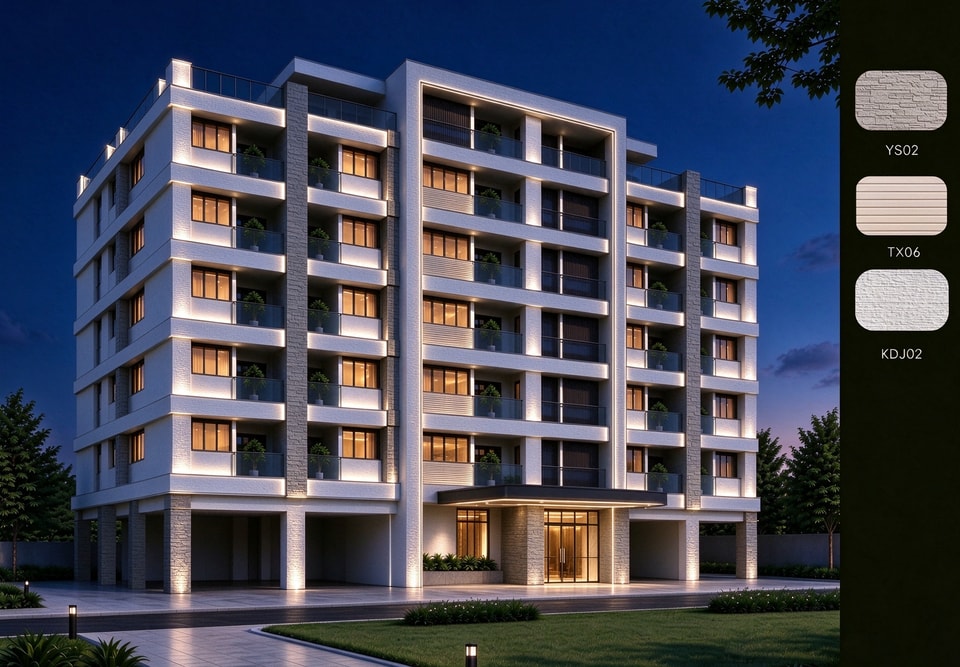
What is Fiber Cement Siding: Benefits & Uses
Understanding Fiber Cement Siding: Benefits and Uses
Fiber cement siding is an exterior cladding made from cement, reinforcing cellulose fibers, sand, and water. It offers a wood-like appearance with resistance to rot, insects, and fire, making it worth considering for new construction or replacement siding. This guide explains its benefits, common uses, installation needs, and budgeting considerations.
What is fiber cement siding?
Fiber cement siding is a manufactured covering installed on exterior walls to provide a finished surface and help protect the wall assembly from weather. Available as overlapping planks, shingles, and panels, it can suit traditional homes or contemporary designs. It works as part of a complete exterior system, not as a substitute for flashing and water-management layers behind the siding.
If you are asking “what is cement fiber siding,” the term generally refers to the same material. The conventional name is fiber cement siding. Its performance depends on both the product selected and installation that follows the manufacturer’s requirements.
Materials and manufacturing
What is fiber cement siding made of? Typical ingredients include Portland cement, sand, cellulose fibers, and water, although manufacturers may use additional ingredients. The fibers reinforce the cement-based material, which is formed into boards or panels and cured to develop strength and stability. Exact formulations and finishes vary, so check the documentation for the product you are considering.
Benefits and practical limitations
The main appeal is a combination of design flexibility and resistance to common siding problems. However, durable does not mean indestructible, and low maintenance does not mean maintenance-free. Installation quality, moisture exposure, and finish condition all affect performance.
Rot and insect resistance: Fiber cement provides an alternative where wood decay or insect damage is a concern. Water-management details still matter because resistant cladding cannot compensate for leaks behind the wall covering.
Fire resistance: Many fiber cement products are noncombustible. That is a useful material characteristic, but it does not make an entire home fireproof; the surrounding construction and wall assembly also matter.
Wood-like appearance: Textured products can resemble wood siding without having the same susceptibility to rot. Smooth finishes offer another option when a less rustic appearance is preferred.
Handling demands: Boards are relatively heavy, and cutting requires suitable tools and dust controls. These requirements make installation planning important rather than an afterthought.
Common styles and exterior applications
Fiber cement can cover an entire exterior or provide a contrasting accent. Choosing a format is partly an aesthetic decision, but joints, trim, and transitions must also be planned. Review samples alongside windows, roofing, and other exterior finishes before committing.
Lap siding and shingles
Horizontal lap siding creates overlapping lines associated with traditional clapboard exteriors. Shingle-style products provide a smaller-scale pattern and can be used to distinguish a gable or another feature. Combining formats can add visual interest without changing the underlying siding material.
Exterior wall panels
Fiber cement exterior wall panels create broader surfaces with fewer repeating horizontal lines than lap siding. Panels can support clean-lined designs or board-and-batten treatments, depending on the system. Their joints need deliberate detailing: battens, flashing, sealants, or another approved joint design must follow the applicable installation requirements.
How does fiber cement compare with other home siding options?
Fiber cement is worth comparing when you want a painted or wood-like exterior with strong fire and pest resistance. Vinyl, wood, metal, and masonry offer different combinations of appearance, maintenance, weight, and installation cost. There is no universal winner; the right choice depends on your priorities and the specific products available.
For a useful siding cost comparison, request quotes with matching scopes rather than comparing material prices alone. Ask each contractor to itemize:
Removal and disposal of existing siding.
Inspection and repair of underlying sheathing.
Water-resistive layers, flashing, and drainage details.
Siding, trim, fasteners, and finishing work.
Access equipment, cleanup, and warranty responsibilities.
Treat this as a bid-comparison checklist, not a fixed price formula. A lower quote may exclude work another contractor includes. Also ask about future repainting and repairs so the decision reflects ongoing ownership costs.
Siding installation tips that matter
Manufacturer instructions should guide the installation, including fastening, clearances, joint treatment, and finishing. Generic advice cannot replace the requirements for a particular product and wall assembly. Confirm these details before work begins.
Plan water management. Coordinate the water-resistive barrier and flashing around openings and transitions. Siding alone is not the drainage strategy.
Maintain required clearances. Follow product-specific spacing from soil, roofing, and adjoining surfaces rather than using a universal measurement.
Check fastening and joints. Use the specified fasteners and joint details; do not assume every seam should be caulked.
Control cutting dust. Cutting can release respirable crystalline silica. Installers should use appropriate cutting methods, dust controls, and required protective equipment.
Maintenance and the final decision
Follow the manufacturer’s cleaning and finish-care instructions for the product you installed. General practice on coated fiber cement is gentle cleaning with a garden hose and a soft, non-metallic brush. High-pressure washing can drive water behind the cladding and damage the finish. Inspect the exterior for damaged finishes, failed sealant where applicable, and drainage problems, then address issues promptly.
Before choosing, compare physical samples, review installation requirements, and obtain clearly itemized bids. Give particular attention to transitions and moisture details, not just color. Fiber cement’s benefits are most useful when the product, installation plan, and maintenance expectations fit your home.
References
International Residential Code (IRC) 2024, Chapter 7: Wall Covering
PNNL BUILD America: moisture, impact, fire and pest resistant exterior siding
CDC / NIOSH: respirable crystalline silica released when cutting cement board
IIBEC Technical Advisory No. 017-2019: fiber cement siding performance issues
Contact Us