
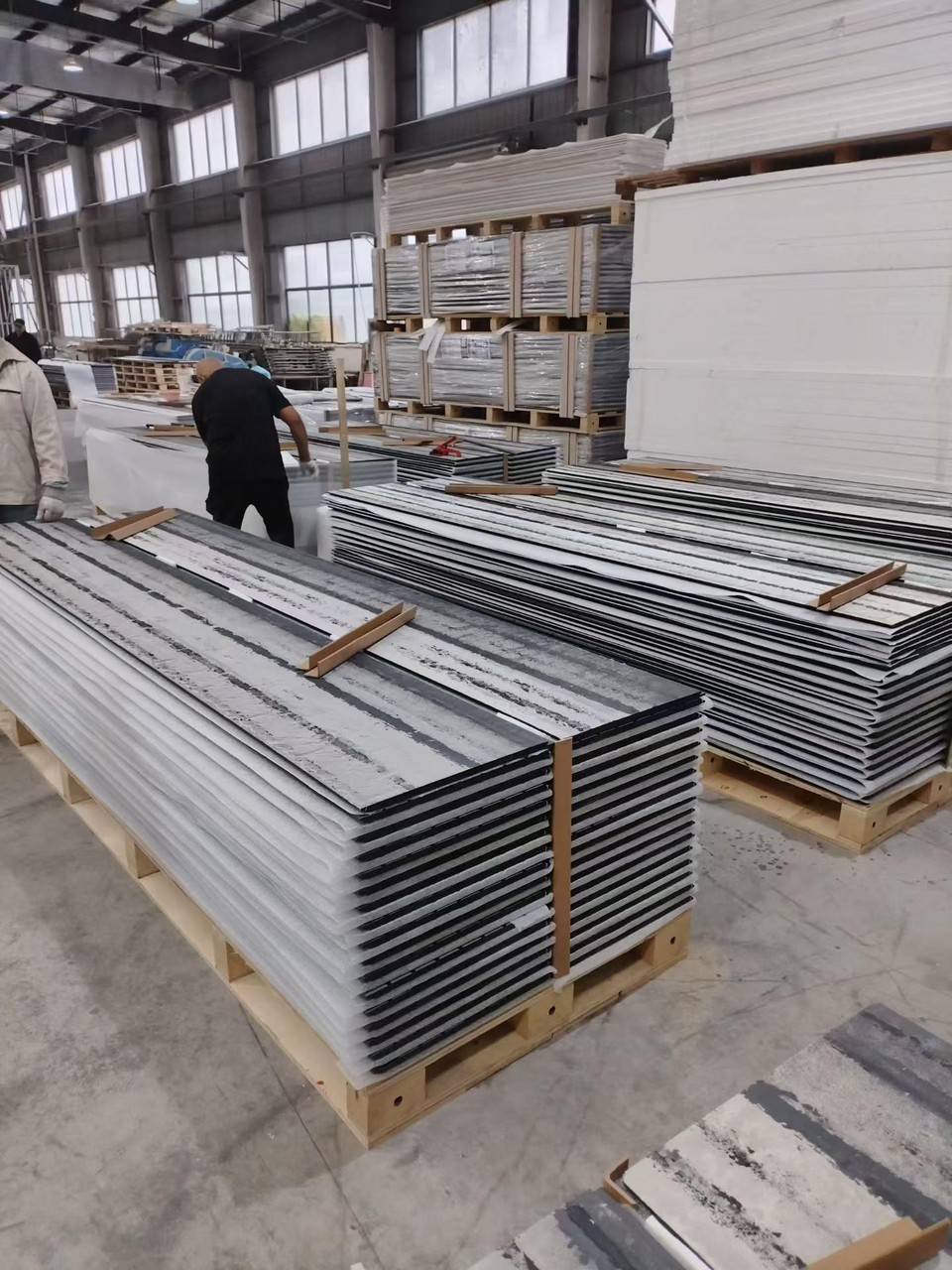
Fiber Cement Board Guide: Uses, Benefits & Installation
Understanding Fiber Cement Board: Benefits and Uses
Fiber cement exterior wall panels are a new type of environmentally friendly exterior wall panels, mainly used for exterior wall shaping and decoration. Of course, they can also be used indoors. Compared with other exterior wall materials, they can better cope with various extremely harsh environments. This stable advantage has also made them a choice for many builders.This guide explains what it is, how it is made, where it is used, and what to consider before fiber cement installation.
What is a fiber cement board?
Fiber cement board is a type of manufactured wall panel featuring various surface textures, designed for the decoration of exterior walls. In simple terms, it is a panel primarily composed of cement and fibers. It offers excellent strength, requires no cleaning or maintenance, and is capable of withstanding a wide range of weather conditions; it is commonly referred to as exterior cement siding or decorative cladding.
People often compare these to standard cement boards, but they are not the same thing. When someone mentions "cement board," they might be referring to a backing board used for interior floors or walls. In contrast, "fiber cement board" typically refers to exterior decorative wall panels that feature textured surfaces—such as wood grain, stone, brick, or linear patterns—which provide a more aesthetically pleasing finish for the outer layer of a wall.
What is fiber cement board made of?
Fiber cement board is typically made from a blend of cement, silica or sand, cellulose fibers, water, and other performance additives. The cement provides hardness and dimensional stability, while the fibers help reinforce the sheet and reduce brittleness. In practical terms, this combination helps explain why a fiber cement panel can be thin enough to install as cladding yet tough enough to perform on exterior walls.
The exact formula varies by manufacturer and product line, so always check the technical data sheet for the board you plan to use. Some boards are designed as smooth architectural panels, some mimic wood grain, and others are made as lap siding, shingles, trim, or utility sheets. That is why the question “what is cement fiber board” is best answered by looking at both the material composition and the intended application.
Main benefits for building projects
Fiber cement is popular because it gives a building a clean, finished appearance while solving several practical problems. It does not behave like natural wood, vinyl, gypsum, or masonry; instead, it sits in a useful middle ground where durability, design flexibility, and maintenance control all matter.
Key benefits include:
· Weather resistance: Fiber cement can be used on exterior walls where sun, wind, rain, and temperature changes would quickly wear down less durable materials.
· Dimensional stability: Quality boards are made to hold their shape when properly stored, cut, fastened, and sealed.
· Design flexibility: Products may come as planks, shingles, trim, soffit panels, or 4x8 exterior siding sheets for broad wall coverage.
· Paintable surfaces: Many boards are primed or ready for approved coatings, allowing a wide range of colors and finishes.
· Low appeal to pests: Because it is cement-based, it is not a food source in the way wood can be.
· Strong curb appeal: Exterior cement siding can create a crisp modern façade, a traditional lap-siding look, or a panelized architectural style.
These benefits depend on choosing the right product and installing it correctly. A board that performs well as exterior siding may not be the right choice for a shower wall, floor underlayment, or fire-rated assembly unless the manufacturer states that use clearly.
What is fiber cement board used for?
Fiber cement board is used for exterior cladding, wall panels, siding, soffits, trim, decorative façades, and certain interior wall applications. It is especially useful where builders want a surface that looks finished but can tolerate exposure better than many wood-based materials. In residential and light commercial projects, it is often chosen for siding replacement, new construction exteriors, porch areas, garages, accessory buildings, and feature walls.
Common cement board uses include:
1. Exterior siding: Lap boards, shingles, and panel siding can cover large wall areas while creating a finished building envelope.
2. Large sheet applications: A 4x8 exterior siding panel may be used where fewer seams and a more continuous surface are desired.
3. Cement board wall assemblies: Panels can help create durable wall surfaces when paired with the correct framing, fasteners, flashing, and sealants.
4. Soffits and eaves: Some fiber cement products are designed for overhead exterior areas that need stability and a clean appearance.
5. Trim and accent details: Thicker boards or trim products can frame windows, doors, corners, and transitions.
6. Architectural façades: Smooth fiber cement panel systems can support modern, grid-like exterior designs.
The most important rule is to match the product to the use. “Fiber cement board” is a broad category, not a universal substitute for every cement-based sheet.
Fiber cement compared with other board materials
Fiber cement is often selected when the project needs something tougher than wood-based sheet goods but lighter and easier to detail than masonry. Compared with wood siding, it offers stronger resistance to rot-related concerns when installed and maintained correctly. Compared with vinyl siding, it usually provides a heavier, more rigid appearance that many homeowners associate with a premium exterior.
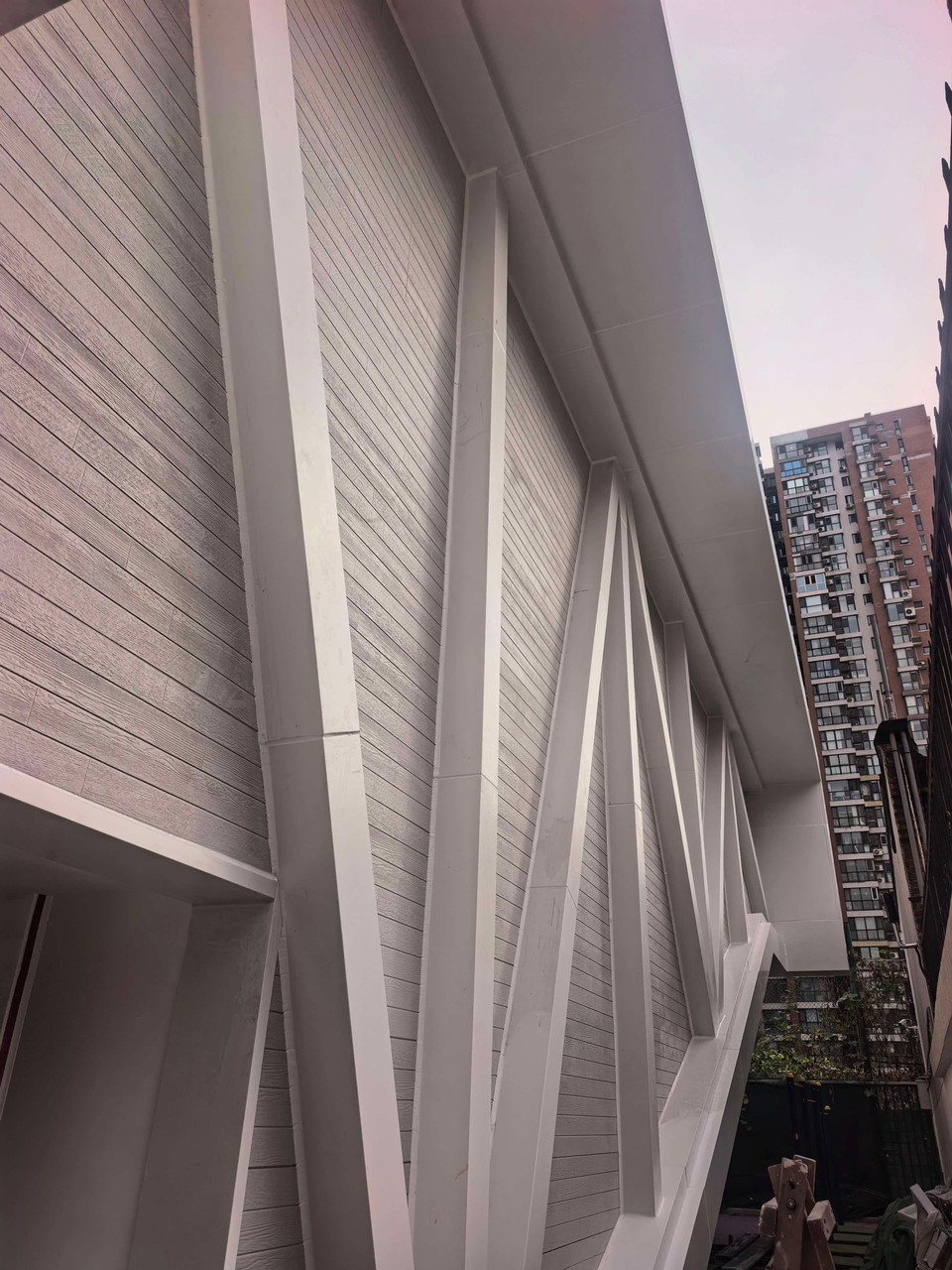
Compared with gypsum-based wallboard, fiber cement is much more appropriate for exterior exposure when the product is rated for it. Compared with tile backer cement board, exterior siding products are typically finished and detailed differently, with attention to joints, drainage, clearances, and coating systems. The best choice depends on the wall assembly, climate, design goals, budget, and local code requirements.
Installation basics that affect performance
Fiber cement installation is not only about fastening boards to a wall. The product must be stored dry, handled carefully, cut with appropriate tools, and installed according to the manufacturer’s instructions. Small mistakes at joints, edges, clearances, or penetrations can create long-term problems even when the board itself is high quality.
A basic installation checklist includes:
· Confirm the board is approved for the exact location and exposure.
· Keep panels dry and flat before installation.
· Use the specified fasteners, spacing, and framing support.
· Leave required gaps at joints, corners, trim, roofs, decks, and grade.
· Use approved flashing details above windows, doors, and horizontal transitions.
· Seal, prime, paint, or finish cut edges when required.
· Follow dust-control practices when cutting cement-based materials.
· Check local building codes and product-specific installation manuals.
For large panels, layout matters as much as fastening. A fiber cement panel should be planned around seams, openings, expansion requirements, and visual alignment. On a cement board wall, good detailing keeps the wall looking intentional rather than patched together.
Choosing the right fiber cement product
The right product depends on where it will be installed and what finish you want. A smooth architectural panel suits a modern façade, while lap siding works better for a classic residential exterior. A 4x8 exterior siding sheet may be efficient for broad wall areas, but smaller planks can be easier to handle and may fit the design better.
Before buying, review these factors:
· Application: siding, soffit, trim, interior wall, or specialty panel
· Thickness and format: plank, shingle, sheet, or panel system
· Texture: smooth, wood-grain, stucco-like, or architectural finish
· Finish condition: factory-primed, prefinished, or field-painted
· Edge treatment: square, shiplap, grooved, or concealed-fastener compatible
· Warranty and requirements: coverage often depends on correct installation and maintenance
If you are comparing products, avoid choosing by thickness or price alone. A cheaper board can become expensive if it needs extra labor, incompatible accessories, or frequent repainting.
Maintenance and long-term care
Fiber cement is often described as low maintenance, but that does not mean no maintenance. Exterior surfaces still need periodic cleaning, paint inspection, caulk review, and attention to areas where water collects. Keeping gutters working, trimming vegetation away from walls, and repairing damaged coatings helps protect the full wall system.
Look closely at lower wall sections, window trim, roof-to-wall transitions, and horizontal joints. These are the areas where water management matters most. When cleaning, use gentle methods recommended by the manufacturer rather than aggressive pressure that can damage coatings or force water behind the siding.
Final takeaways
Fiber cement board is a versatile material for durable siding, panels, trim, and wall surfaces. It is made from cementitious ingredients reinforced with fibers, which gives it strength, stability, and broad design potential. Whether you are researching what is fiber cement board used for or planning an exterior cement siding project, the best results come from matching the board to the application and following proper installation details.
For homeowners, it offers a clean and durable exterior option with many style choices. For builders and remodelers, it provides a practical panel or siding system when performance, appearance, and long-term serviceability all matter.
Contact Us