
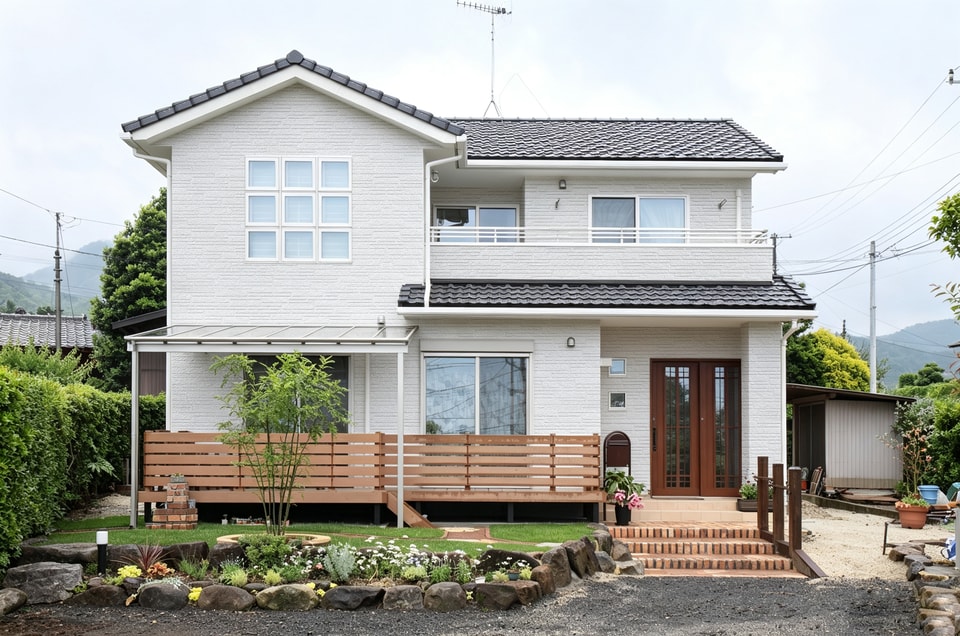
How to Choose Fire-Rated Exterior Wall Panels
Fire-rated exterior wall panels help protect the building envelope while giving architects, builders, and property owners a clean, durable finish. Our wall panel solutions are designed for projects that need dependable exterior performance, practical design flexibility, and a smarter path to code-conscious construction. Use this page to understand what to look for, how fiber cement options compare, and how to move from product selection to a project-ready specification.
Contents
1. What should you look for in fire-rated exterior wall panels?
2. Built for safer exterior wall systems
3. Practical advantages of fiber cement board cladding
4. Product features that matter on real projects
5. A better fit for demanding applications
6. Environmental protection and responsible material choices
7. Specification support for a cleaner buying process
8. Pricing and ordering guidance
9. Choose wall panels that are both high-performance and have a strong sense of design
1. What should you look for in fire-rated exterior wall panels?
Choose fire-rated exterior wall panels by checking the tested fire performance, the substrate material, installation requirements, weather resistance, design compatibility, and long-term maintenance needs.
A panel is only as useful as the full exterior wall system around it, so review the board, fasteners, joints, weather barrier, cavity details, and local code requirements together. If your project involves multifamily housing, commercial construction, wildfire-prone areas, or property-line walls, selecting the right fire-resistant cladding early can help reduce redesigns and installation delays and reduce the overall cost.
2. Built for safer exterior wall systems
Exterior wall systems face more than one challenge at a time. They need to resist flame exposure, shed water, tolerate temperature changes, and maintain a finished appearance through years of service. Fiber cement board cladding is often chosen because it combines mineral-based durability with a familiar panel format that can suit modern, traditional, and mixed-material facades,And it meets the requirements of contemporary social design
For teams comparing fireproof wall panels, the goal is not simply to find a label that sounds safe. The goal is to select a tested, compatible assembly that supports the intended use of the building. That means confirming whether the product is appropriate for exterior exposure, how it should be installed, and whether the proposed assembly meets the fire rating or classification required by the project.
3. Practical advantages of fiber cement board cladding
Exterior fiber cement board offers a strong balance of performance and design freedom. It can create a smooth contemporary wall, a vertical board-and-batten look, or a durable backing for rainscreen-style assemblies, depending on the product format and installation method selected.
Key benefits may include:
· Fire-resistant construction support: Cement-based composition can help support fire-rated exterior assemblies when specified and installed correctly.
· Exterior durability: Cement fiber boards are commonly used where walls must withstand weather, impact, and everyday exposure.
· Design flexibility: Panels can support clean lines, defined reveals, or the look of fiber cement siding board and batten.
· Lower maintenance appeal: Fiber cement does not rely on the same vulnerability profile as untreated wood siding.
· Project versatility: Suitable panel options can be considered for residential, commercial, institutional, and mixed-use exterior wall systems.
The practical value is simple: one product category can help solve several exterior wall problems at once. Instead of choosing between appearance and resilience, builders can specify a cladding approach that supports both.
4. Product features that matter on real projects
A product page should make selection easier, not add another layer of confusion. When reviewing fire-rated exterior wall panels, focus on the details that affect drawings, purchasing, installation, and inspection.
Look for:
· Documented fire performance: Ask for relevant test data, product literature, and assembly guidance.
· Exterior-use suitability: Confirm that the board is intended for outdoor cladding or exterior wall applications.
· Moisture management compatibility: Review how the panel works with flashing, sealants, weather barriers, and ventilation gaps.
· Dimensional options: Choose board sizes and formats that reduce waste and support the desired facade layout.
· Finish compatibility: Confirm coating, painting, or factory-finish requirements before ordering.
· Installation guidance: Use approved fastening patterns, joint treatments, clearances, and support spacing.
· Code coordination: Verify project requirements with the authority having jurisdiction, especially for fire-rated assemblies.
These details help prevent a common mistake: selecting a panel first and discovering later that it does not fit the assembly, aesthetic, or inspection pathway.
5. A better fit for demanding applications
Fire-resistant cladding is especially useful when the exterior wall is part of a higher-risk or higher-performance building strategy. A school addition, a multifamily corridor wall, a commercial facade near a property line, or a home in a fire-conscious region may all require closer attention to panel composition and assembly performance.
Fiber cement board is also useful when the design calls for visual texture without the upkeep associated with some natural materials. For example, fiber cement siding board and batten can create vertical shadow lines and a classic profile while still keeping the exterior focused on durability. In a modern design, larger panels can provide a flatter, cleaner surface with controlled joints and crisp transitions.
6. Environmental protection and responsible material choices
Environmental protection belongs in the wall panel conversation because exterior materials affect waste, maintenance cycles, and building durability. A longer-lasting cladding system can help reduce the frequency of replacement, repainting, and discarded material over the life of the building. When panels resist weathering and remain serviceable, the project can avoid unnecessary resource use tied to premature repairs.
Fiber cement board also supports practical environmental planning because it can help protect the wall assembly from exterior exposure. Keeping moisture out, managing drainage correctly, and using durable cladding all contribute to a healthier building envelope. For teams pursuing greener construction, product documentation, responsible sourcing information, finish selection, and waste-conscious layout planning should be reviewed before purchase.
7. Specification support for a cleaner buying process
The right wall panel solutions should make it easier to move from design intent to installation. That means clear product information, realistic lead-time conversations, and guidance on compatible exterior wall systems. If the project requires a fire-rated assembly, documentation should be gathered before finalizing the specification so the design team, installer, and inspector are aligned.
When requesting a quote or technical review, prepare the following:
· Project type: Residential, commercial or specialty construction.
· Wall application: Full facade, soffit-adjacent condition, rainscreen, or board-and-batten layout.
· Required performance: Fire rating or classification target, exterior exposure, and local code concerns.
· Design preference: Flat panels, textured finish, vertical boards, reveal system, or fiber cement board cladding.
· Approximate quantities: Elevation drawings, square footage, waste allowance, and phased delivery needs.
· Installation plan: Contractor experience, framing type, weather barrier, flashing, and fastening approach.
This information helps match cement fiber boards to the real conditions of the job instead of guessing from appearance alone.
8. Pricing and ordering guidance
The price of fireproof exterior wall panels depends on the product's size, type, thickness, installation requirements, installation methods, accessories, and the overall exterior wall system, etc. It is a price for an integrated structure, not solely determined by the panels but based on the overall project for quotation. Of course, to maintain the efficiency of the overall service quotation, After you have the overall design layout and performance goals, you can request pricing. If this is not the final detail, you can still ask for budget guidance and eventually get the cost confirmed
9. Choose wall panels that are both high-performance and have a strong sense of design
Fireproof wall panels should do more than look durable in a brochure. They should fit the building, support the required fire strategy, work with the moisture-management plan, and give installers clear guidance. Exterior fiber cement board is a strong option for teams that want fire-resistant cladding with practical design flexibility and long-term exterior value.
Ready to compare options for your project? Share your plans, performance needs, and preferred finish style to get guidance on suitable fire-rated exterior wall panels and a quote for your exterior wall system.
Contact Us