
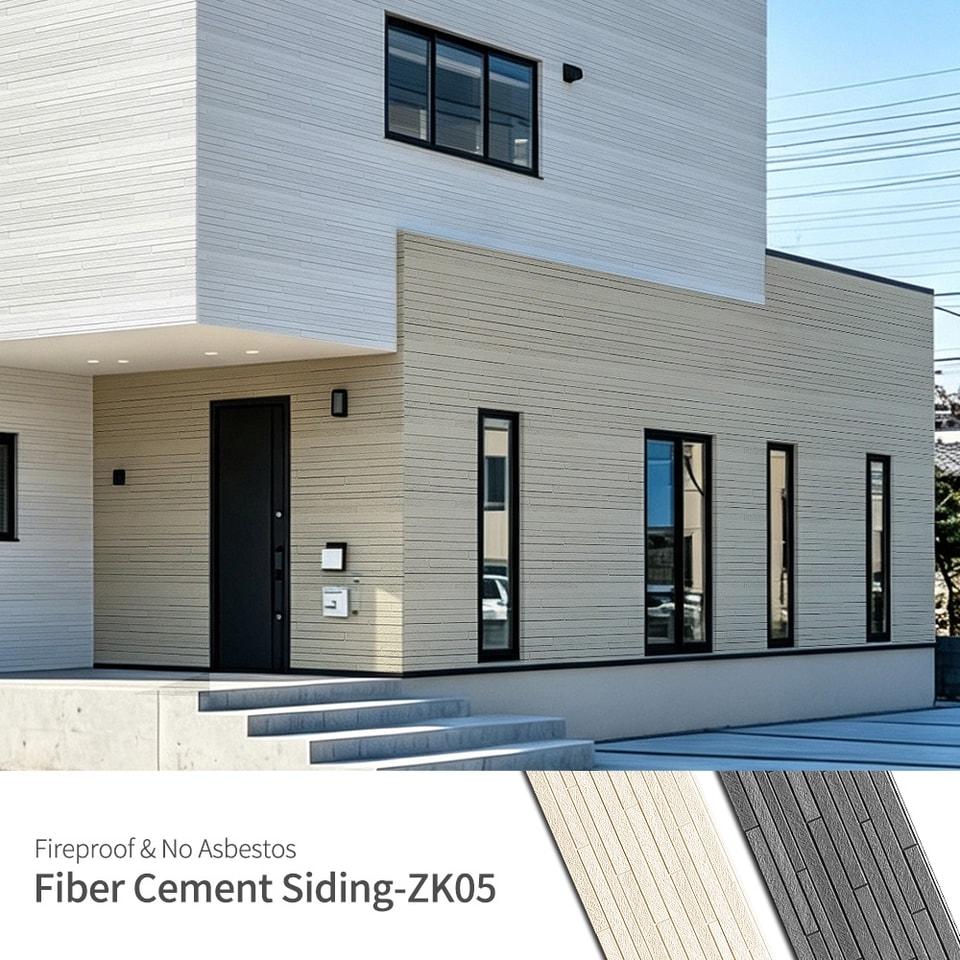
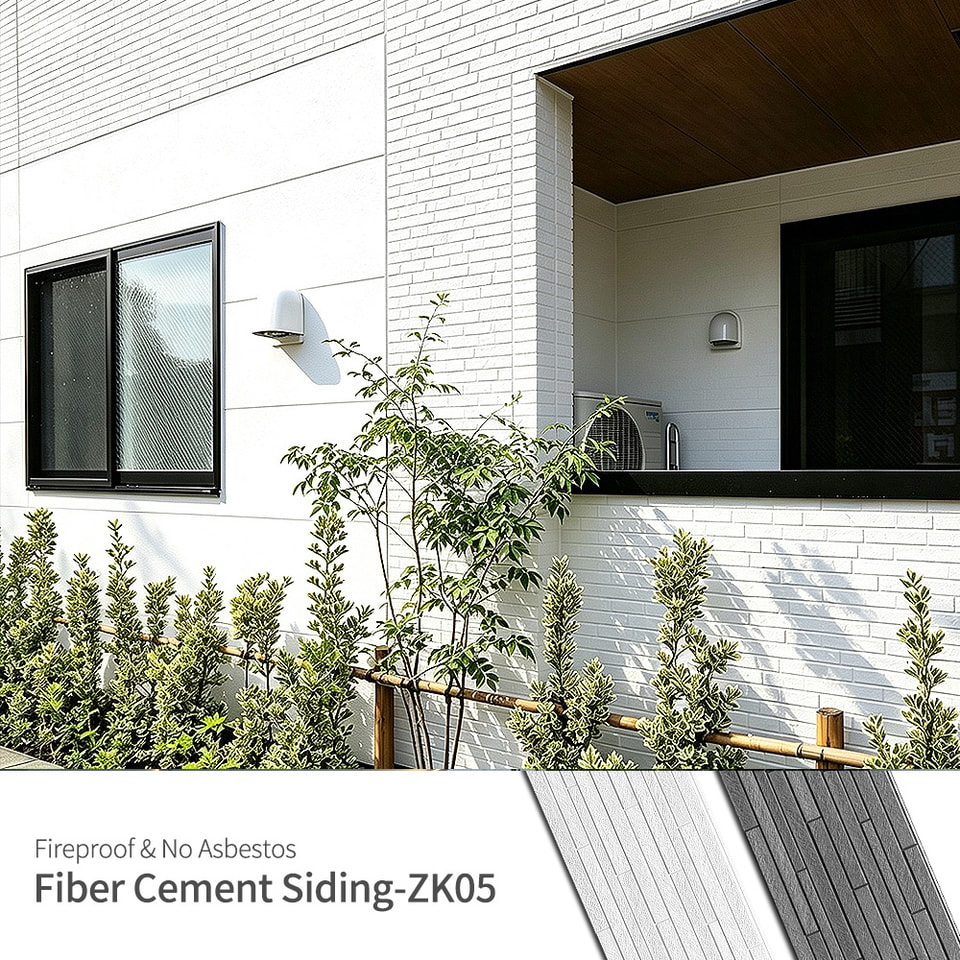
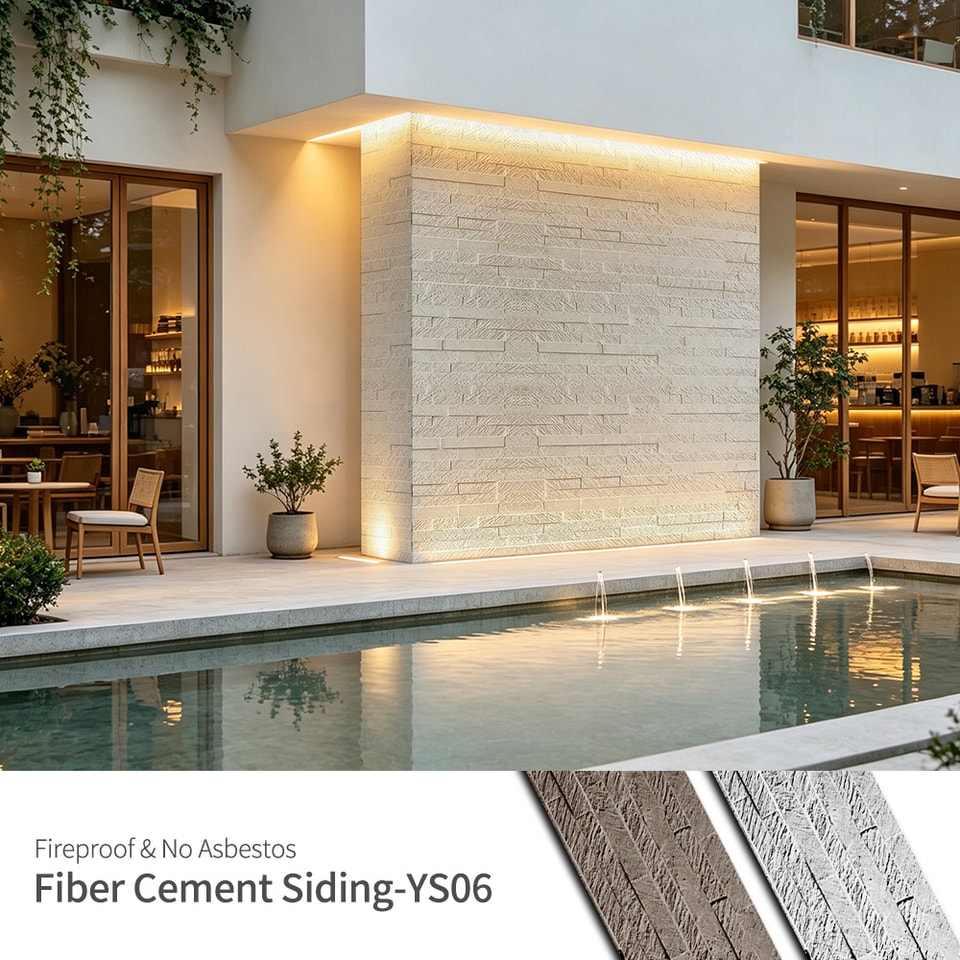
An Introduction to Fiber Cement Exterior Wall Panels in Modern Building Exteriors
An Introduction to Fiber Cement Exterior Wall Panels for Modern Buildings
Fiber cement exterior wall panels are durable facade boards that protect buildings while adding an appealing architectural finish. Fiber cement wall panels are popularly chosen by homes, apartments, commercial buildings, and public projects as they combine strength with weather resistance and design flexibility – while also having low maintenance requirements compared to many traditional exterior materials.
Below is a practical breakdown of what fiber cement exterior wall panels are, their composition, how they are installed and their purpose.
1) What Are Fiber Cement Exterior Wall Panels?
Fiber cement exterior wall panels (sometimes referred to as fiber cement boards or fiber cement cladding panels) are rigid sheets composed of a cement-based mixture reinforced with fibers that serve as the outermost layer of a wall system, acting like protective shields from sun, rain, wind and impacts while adding visual interest and character.
They can be produced as:
• Large format flat facade panels (modern, clean lines)
• Plank-style siding (horizontal lap look)
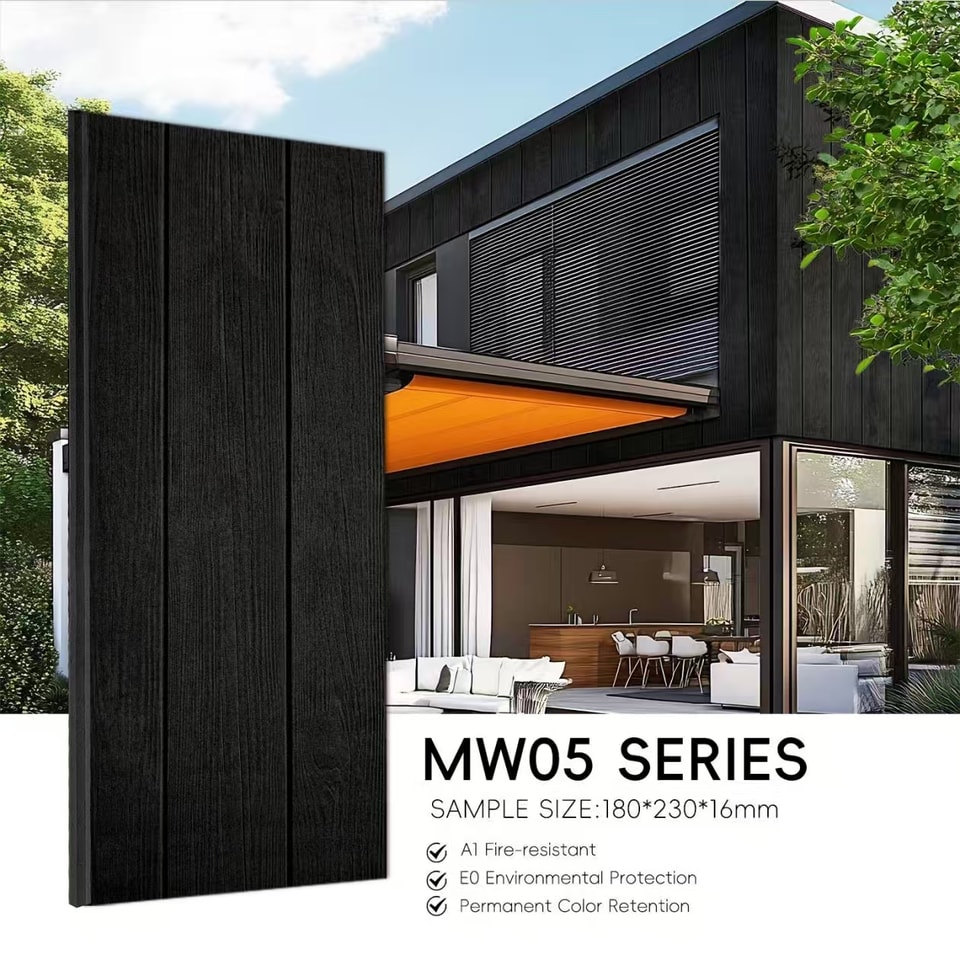
• Vertical boards (board-and-batten styles)
• Textured finishes that mimic wood, stone or smooth painted surfaces
2) What Are They Constructed From?
Most fiber cement panels are created using a mixture of ingredients:
• Cement (the primary binder)
• Mineral fillers such as silica
• Reinforcing fibers (usually cellulose or synthetic)
• Performance additives to increase strength, stability, and workability
Fibers help reduce brittleness and improve durability over plain cement products.
How Can Fiber Cement Panels Act as Exterior Claddings?
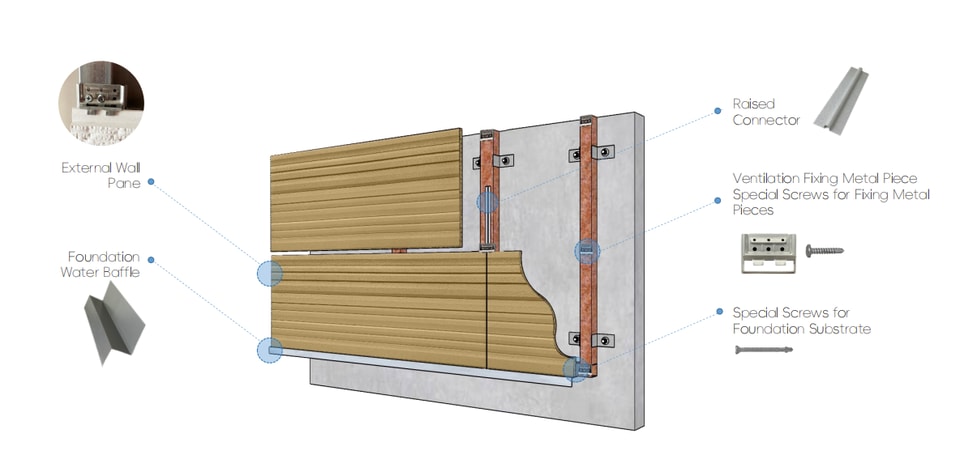
Fiber cement panels typically do not serve as standalone layers; rather, they form part of an exterior wall assembly which typically comprises:
• Structural wall/backing (stud walls, concrete walls, etc.) – must be provided before any weather-resistive barrier (WRB) can be placed around them to protect from moisture intrusion.
• Subframe or batten/rail systems made of wood or metal – provide a stable mounting surface.
• Fasteners (corrosion-resistant screws/nails depending on your system)
• Joint design (overlapping, sealed or open-joint detailing)
• Flashings and trims around corners, windows and transitions
Many projects employ a rainscreen approach, leaving an air gap behind each panel to enhance moisture management and enable faster drying-out after rain showers.
Fiber Cement Exterior Wall Panels Offer Many Advantages
Fiber cement stands up well against harsh climate conditions when installed correctly; it resists UV rays, rain and temperature variations while remaining durable over time.
Being made of cement-based material, fiber cement cladding is often chosen for projects requiring greater fire resistance (again, always check local ratings/certifications before selecting this solution).
Fiber cement doesn't rot like wood does and therefore is unattractive to termites.
Fiber cement generally expands and contracts less than plastic-based claddings, helping maintain straighter lines with more uniform joints.
Fiber cement panels come in many colors and textures – ranging from modern panels with sleek surfaces, matte coatings, or woodgrain patterns – making them versatile enough to suit a range of architectural styles.
Fiber cement exterior wall panels have many applications; most commonly they are used to protect building walls:
• Residential houses and villas
• Multi-family buildings and apartments
• Schools, hospitals, and municipal buildings
• Commercial storefronts and office facades
• Renovation projects that require durable over-claddings
Consider These Points When Selecting Fiber Cement Panels
For optimal performance, it is vitally important to evaluate:
• Thickness and panel size: Larger panels may require thicker boards or tighter support spacing for them to remain supported securely.
• Installation system: Always comply with your manufacturer's recommended methods, joint details, and subframe requirements when installing their panels.
• Moisture detailing: WRB, flashings and proper drainage/ventilation systems must all be present for successful moisture control.
• Finish type: Factory-finished panels may reduce site labor while paint-ready boards offer more options.
Compliance requirements vary based on building codes and project type. Fire, wind load and impact regulations also need to be satisfied for optimal operation.
Fiber cement exterior wall panels are cement-based cladding boards made with fiber-reinforced cement that have been designed to protect buildings while providing a long-term finish that offers visual appeal and architectural freedom. When installed using an appropriate installation system and moisture detailing method, fiber cement wall panels offer the ideal blend of durability, safety, and architectural freedom that makes them a popular choice in both new builds and exterior renovations.
Contact Us