
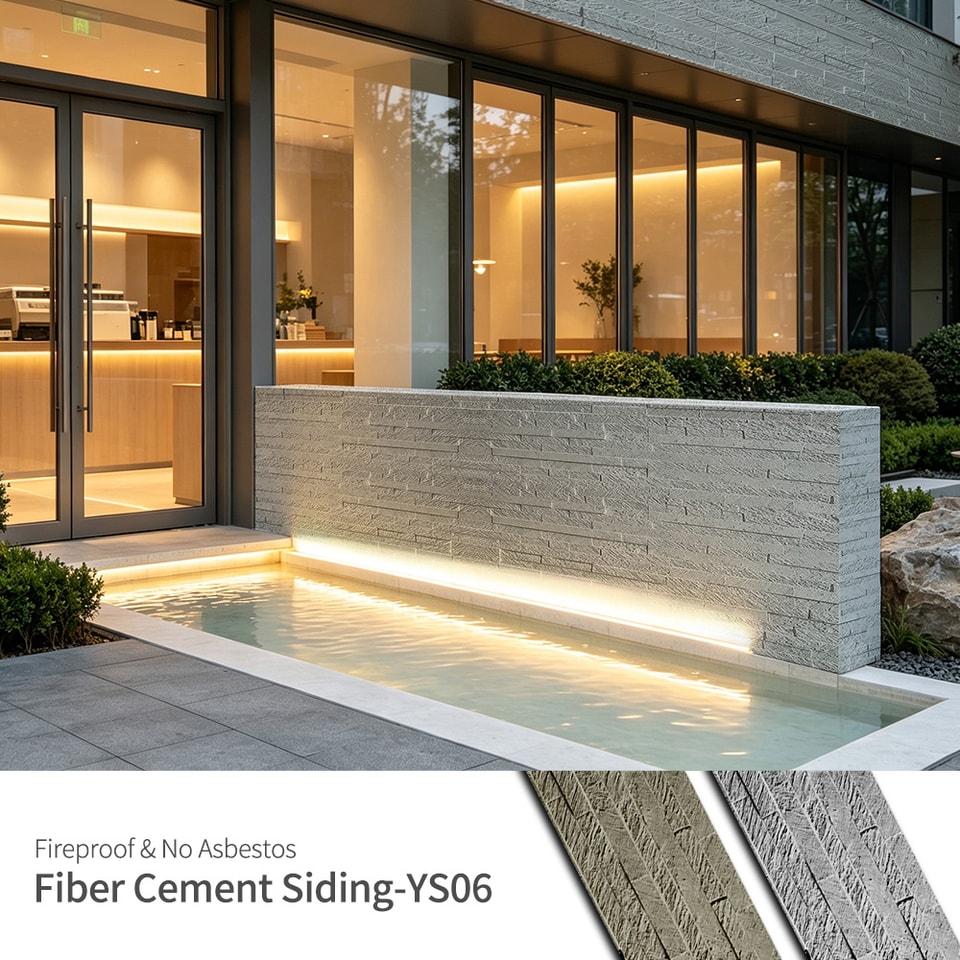
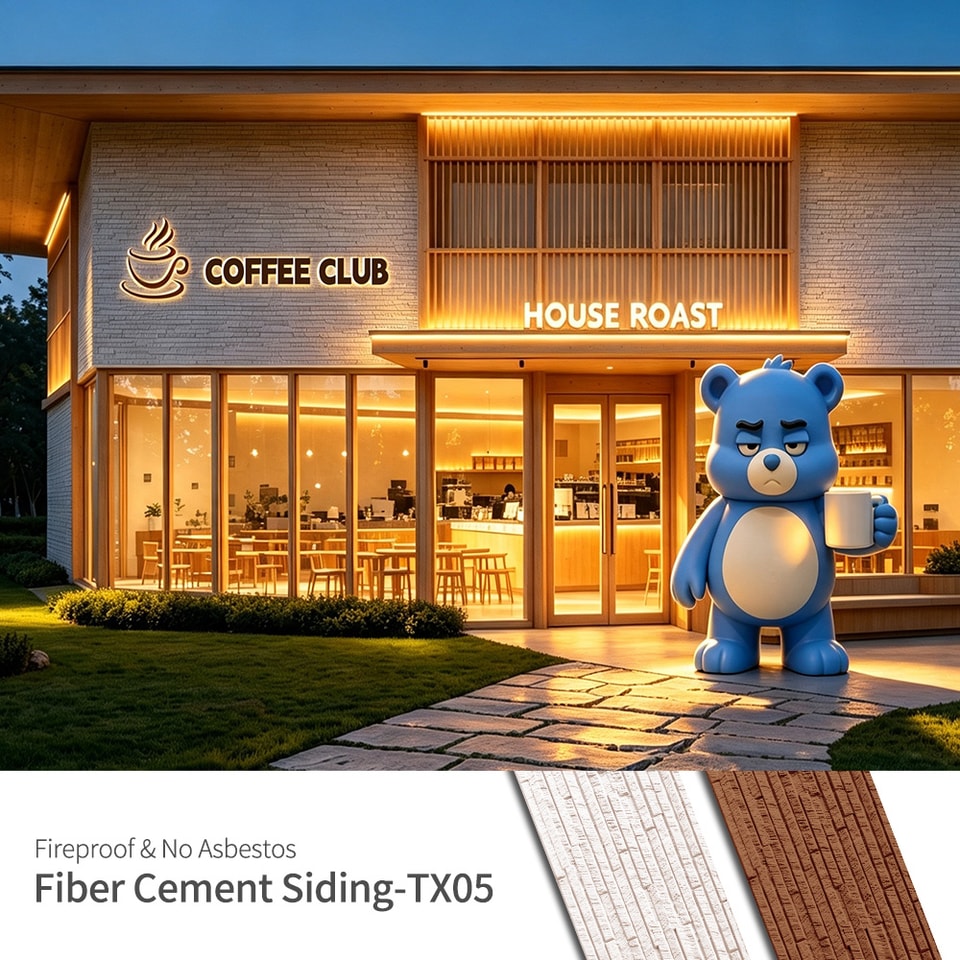
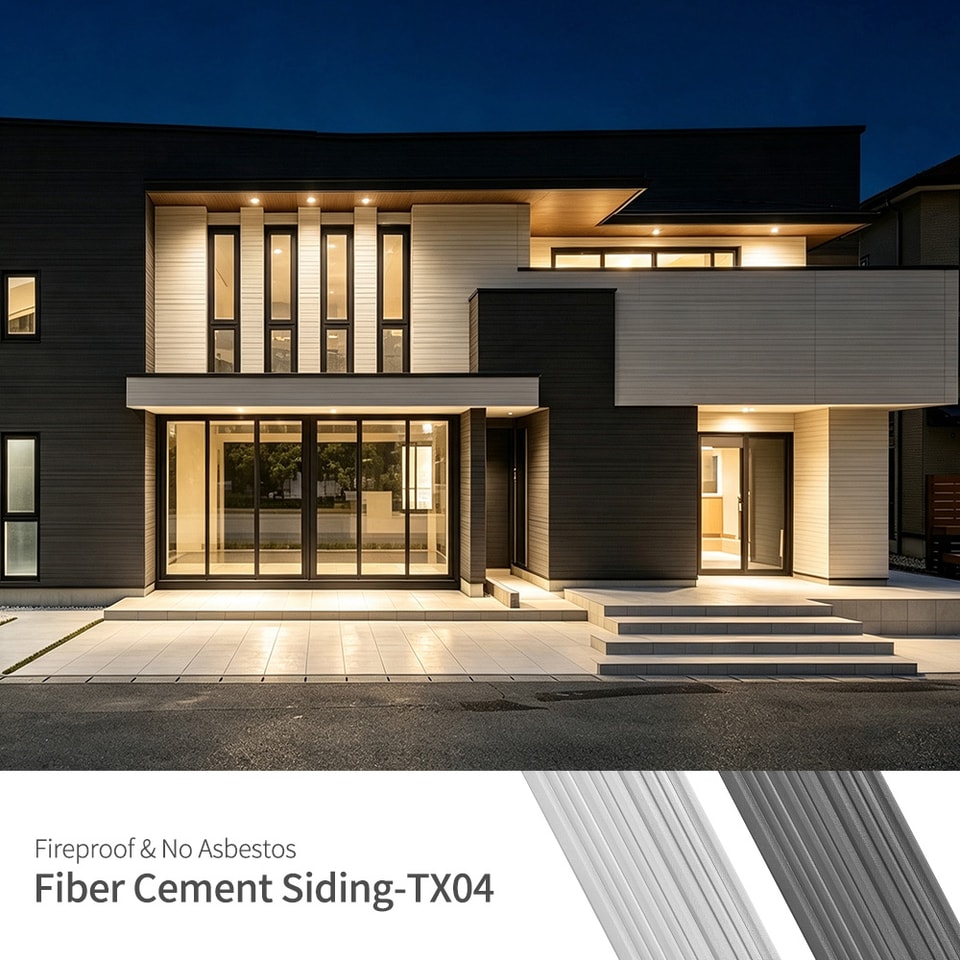
Understanding Fiber Cement Exterior Wall Panels for Builders, Designers and Buyers
Fiber cement exterior wall panels (often known as fiber cement boards) are an economical and low maintenance cladding material used to protect and decorate building exteriors. Widely chosen by residential and commercial projects alike, fiber cement boards boast premium looks such as painted surfaces or even woodgrain patterns while providing superior weather, fire, and pest resistance performance.
Working with a reliable fiber cement board manufacturer or supplier is key when purchasing materials, as is selecting an attractive panel style and thickness. Below is an explanation of what these panels are used for and their effect on fiber cement board siding cost.
What Are Fiber Cement Exterior Wall Panels Made Of?
Fiber cement panels are cement-based sheets reinforced with fibers to increase strength and toughness. Though formulations vary by producer, most boards include:
• Cement (the primary binder)
• Silica or other mineral fillers (such as silica sand)
• Reinforcing fibers (often cellulose or synthetic)
• Additives that enhance workability and performance
This combination produces an exterior cladding panel that is more stable than most wood-based products and more fireproof than plastic sidings.
What Is Fiber Cement Board Cladding?
Fiber cement board cladding refers to using fiber cement panels as part of the outer protective skin for buildings. A typical fiber cement board cladding system comprises more than just the board itself – for instance:
• Weather-resistive barriers (WRB)
• Fixation systems including wooden battens, steel framing or aluminum rails
• Fasteners (corrosion-resistant screws or nails)
• Joint designs, including overlapped siding panels with open joints or sealed joints (corrosion resistance is also important when considering joint designs)
• Flashings and trims around windows, corners and transitions
Many modern fiber cement projects use a rainscreen approach (a ventilated cavity behind the panels) to manage moisture and improve wall durability over time.
Common Types of Fiber Cement Wall Panels for Exterior Wall Installation
Since fiber cement can be cut, formed, and finished in various ways, it can complement different architectural looks:
1) Large-format wall panels – Clean lines and sleek finishes are key features of modern architecture and facade design, and these systems often utilize expressed joints with open joints (open-joint style) or tight seams, depending on the system of choice.
2) Lap siding/plank boards – Classic horizontal siding appearance, often found in residential applications and light commercial projects.
3) Vertical boards and board-and-batten appearance – Popular styles for modern farmhouse and contemporary facades.
Fiber Cement Board with Wood Finish: Simulate the Look of Timber without the Maintenance Requirements
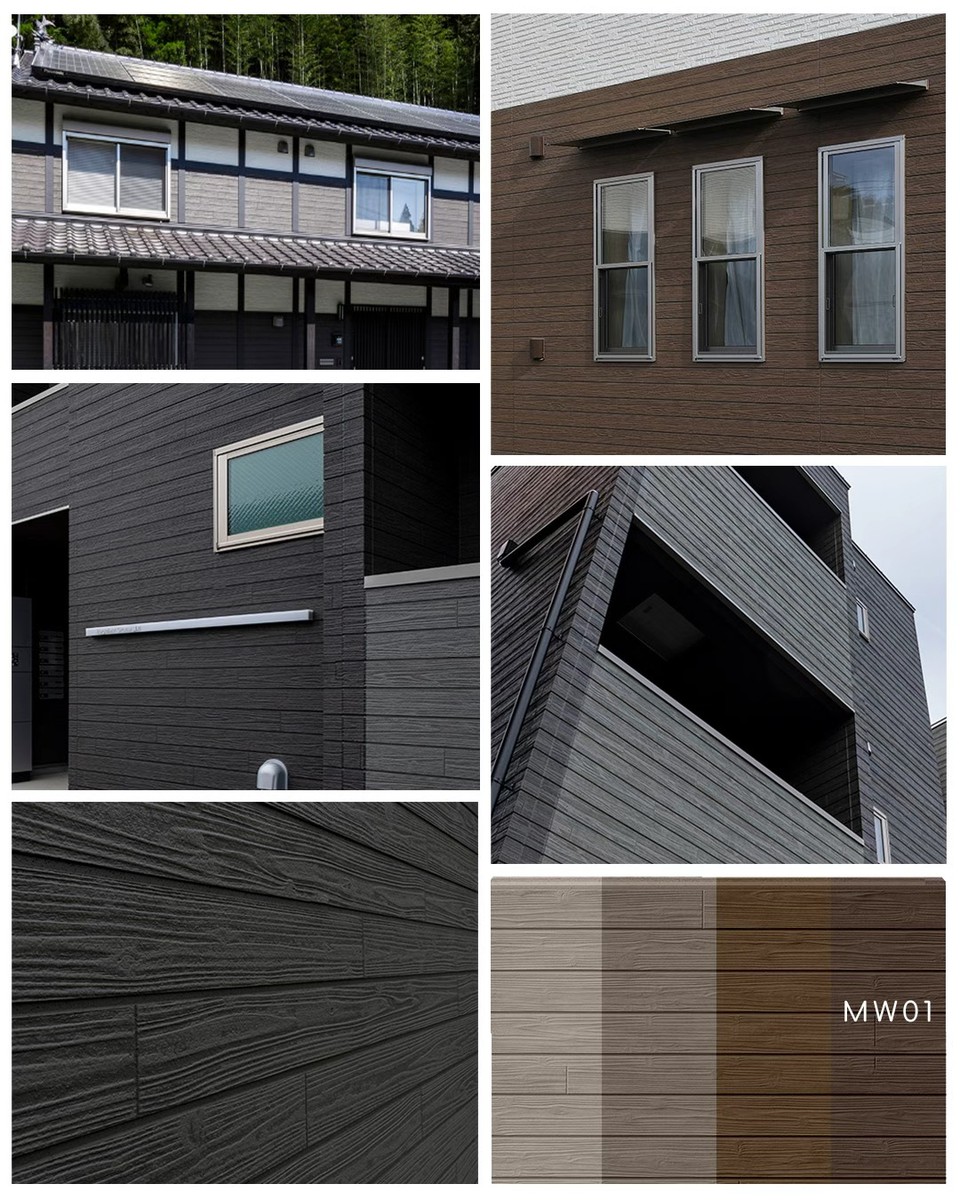
Buyers who favor wood finishes often opt for fiber cement boards with wood finishes, as they offer visual warmth without the maintenance needs associated with real wood.
Wood-finish fiber cement products typically include:
• Embossed woodgrain textures designed to replicate natural timber
• Pre-finished colors/stains or paintable surfaces for easy application of stain
• Profiles that emulate traditional wood siding patterns
Wood-finish fiber cement cladding may be an attractive choice in environments such as coastal regions with heavy rain, high UV radiation levels and termite risk. Fiber cement panels with a wood finish are an appealing yet practical alternative for projects in harsher climates that necessitate wood.
Key Advantages of Fiber Cement Exterior Wall Panels
Fiber cement boards from an experienced fiber cement board manufacturer can be valued for their many features:
• Durability: Outshines light claddings when subjected to weather and impact, when properly installed.
• Fire resistance: Cement-based composition generally offers strong fire performance (check test certifications).
• Moisture and rot resistance: No wood decay when properly installed.
• Pest resistance: Not a food source for termites to feed on.
• Design flexibility: Smooth, textured, colored or woodgrain finishes are available.
Selecting a Fiber Cement Board Supplier: What to Keep an Eye Out For
An effective fiber cement board supplier must offer not only product delivery but also installation support. When selecting suppliers, ask pertinent questions including the following:
• Available sizes, thicknesses, edge types (square, shiplap or tongue-and-groove depending on system) and finishes (primer, factory paint, PVDF-style coatings or woodgrain textures, for instance)
• Compliance documents (fire, water absorption, freeze-thaw, impact tests based on your market)
• Recommended subframe/fastening system and installation guides
• Package quality to minimize breakage in transit
• Color consistency (tone, texture, dimensional tolerance, etc.)
This is especially vital in large facade projects where flatness, color uniformity and tested installation methods are paramount.
Cement Board Siding Cost: What Affects Its Price?
Fiber cement board siding cost isn't only the board price; it also includes installation fees as well as any necessary upgrades or modifications. The total amount can vary based on several variables, such as board material cost.
Materials Considerations
• Accessories (starter strips, trims, corner pieces, fasteners and joint tapes/gaskets)
Installation Cost Factors
• Project height and access (scaffolding/lifts), subframe type (wood vs metal rails), joint design complexity, detailing around windows/doors and cutting requirements as well as dust control practices should all be taken into consideration prior to choosing any construction method. In many instances, factory-finished panels may be more economical and therefore less laborious to install.
Whenever comparing cladding options, be sure to request pricing that includes trims, WRB, fasteners, and corner solutions; often these components make up the difference in quotes.
Where Are Fiber Cement Exterior Wall Panels Most Frequently Employed?
Fiber cement boards have numerous applications:
• Residential facades (both new and renovated), multi-family buildings and apartments, schools, hospitals and municipal buildings, as well as mixed-use projects (commercial storefronts, industrial and warehouse office)
Conclusion
Fiber cement exterior wall panels are cement-based cladding products made up of reinforced fibers designed to both protect buildings and improve aesthetics. As fiber cement board cladding, they are often employed in systems that deliver long service lives, solid fire protection performance, and an array of looks – even those that mimic wood's warmth without its maintenance needs.
Prioritize consistent quality, verified testing, and clear installation guidance when choosing your fiber cement board manufacturer or supplier. Also factor into your budget the full costs associated with materials, accessories and installation so your project stays within scope from quote to completion
Contact Us