
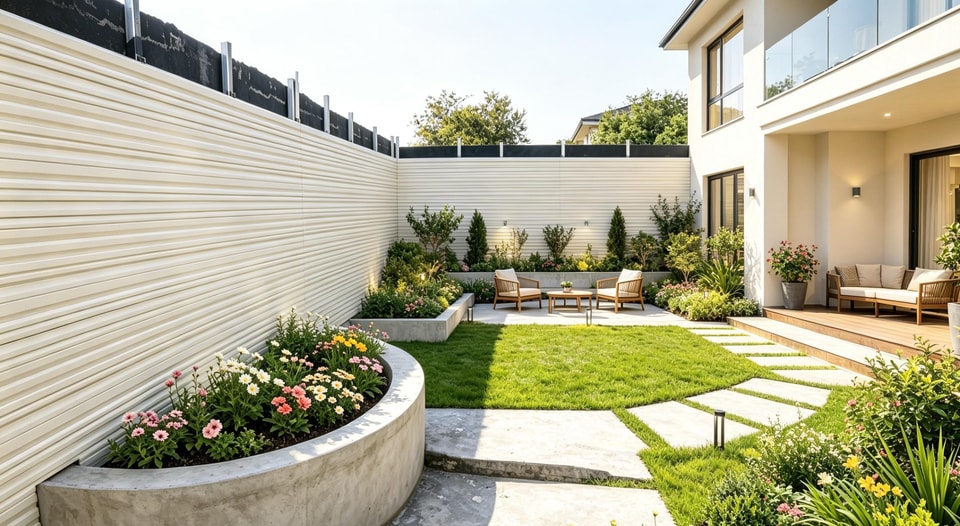
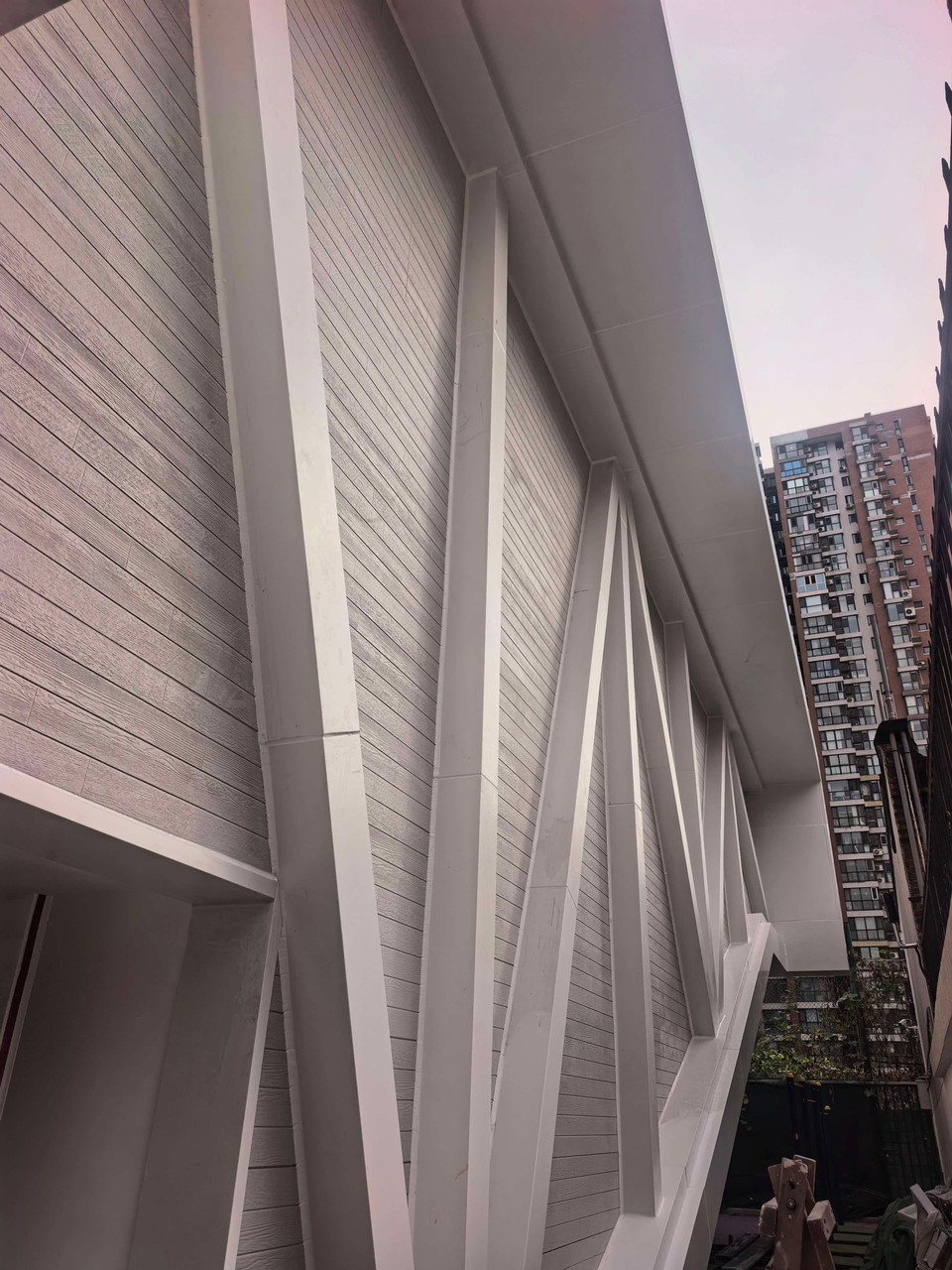
Fiber Cement Siding Durability Explained
nderstanding the Longevity of Fiber Cement Siding Fiber cement siding is a durable exterior cladding that can provide decades of service when the product, installation, and maintenance suit the building’s conditions. Its longevity depends on more than the board itself: water management and finish care matter too. Understanding those factors makes it easier to evaluate fiber cement siding durability without mistaking a warranty for a guaranteed lifespan. How long does fiber cement siding last? Fiber cement siding can last for decades, but there is no universal service life for every board, climate, and installation. What can be verified is how the panel itself behaves. Our 16 mm board was tested at the China Academy of Building Research, a CNAS-accredited laboratory: after 100 freeze-thaw cycles it showed no delamination or spalling, and its flexural strength in the saturated state measured 8.6 MPa. Treat any warranty as evidence of manufacturer backing, not as a promise that every installation will perform identically. Separate three considerations when reviewing a proposal: the board’s expected performance, the finish’s maintenance needs, and the warranty’s actual coverage. A surface may need refinishing while the underlying siding remains serviceable. Likewise, a long material warranty does not automatically cover every installation problem or maintenance expense. Durability starts with water management Weather-resistant siding is not a substitute for a properly detailed wall. Flashing, a water-resistive barrier, drainage, and specified clearances work together to manage water around openings and intersections. Installation that ignores manufacturer requirements is a recognized cause of poor fiber cement performance. Ask the installer to explain these details before work begins: · Window and door flashing: How will water be directed outward at openings and penetrations? · Roof and ground clearances: How will the crew maintain the product’s required separation from wet surfaces? · Joints and cut edges: Which locations require flashing, sealing, or another manufacturer-approved treatment? · Drainage paths: Which gaps must remain open rather than being filled with caulk? These questions belong in the installation discussion because details differ between products. Requirements that recur across fiber cement cladding systems include flashing at horizontal panel joints and leaving the drainage gap above horizontal flashing open rather than sealing it shut. More sealant is not automatically better protection: a blocked drainage gap traps water against the wall behind the cladding. How does fiber cement compare with vinyl? To compare vinyl vs fiber cement siding for durability, evaluate cold-weather behavior, moisture detailing, and maintenance together. Fiber cement products may be engineered for wet and freezing conditions; vinyl installations must accommodate temperature-related movement. Neither material eliminates the need for flashing and a properly prepared wall. For a useful comparison, request documentation for the specific products rather than relying on broad material rankings. Ask each contractor to show the installation requirements and explain how the proposed wall handles drainage. Also discuss finish upkeep: fiber cement may require repainting, so its long-term appeal should be weighed against that responsibility. Both belong in a discussion of durable siding options, but the strongest proposal connects product selection to the actual building. A material name alone cannot demonstrate that the crew has addressed vulnerable transitions or followed the correct fastening instructions. Board textures, dimensions, and shake profiles The specified product is a fiber cement board, 3030 × 455 × 16 mm, supplied in wood grain and brick grain face textures. Treat these as product-selection details, not proof of weather resistance, structural capacity, or warranty eligibility. The same panel recorded an apparent density of 1.22 g/cm³ and a water absorption rate of 16.5%, and no water penetrated the board during 24 hours of exposure. Impermeability and absorption are different properties: water does not pass through the panel, but the surface still takes up moisture, so the water-resistive barrier and flashing behind the cladding remain necessary. Request the matching technical sheet before ordering. When evaluating fiber cement panels, confirm intended exterior use, fastening requirements, finish compatibility, and installation details. A fiber cement panel should be selected as part of a documented wall system, not simply because its dimensions fit the design. Manufacturer technical resources provide the appropriate starting point. For the best fiber cement shake siding comparison, prioritize longevity and durability documentation alongside appearance. Compare the exact shake products’ installation instructions, finish requirements, and warranties. A convincing wood texture is an aesthetic benefit; it does not replace evidence about performance. Installation ease and warranty deserve separate checks Choosing the best fiber cement siding for contractors means balancing installation ease with durability requirements. Review handling, cutting equipment, fastening layouts, and crew familiarity before assuming one format will simplify the job. Manufacturer guidance addresses these practical requirements, including appropriate cutting setups. Before weighing fiber cement siding pros and cons across brands, identify the exact product and the warranty document that applies to it. Published terms vary by product line, region and purchase date, and prorated coverage is common, so one product’s headline number should not be generalized to another. Confirm applicable support through the manufacturer’s own warranty resources. Before accepting any warranty comparison, check: · Whether material and finish coverage are separate. · Whether benefits decrease over time. · Which labor or replacement costs are included. · What installation and maintenance conditions apply. These distinctions matter more than comparing headline warranty lengths alone. Maintenance and environmental value Fiber cement can be a justifiable environmental choice when long service and avoided replacement support the project’s environmental goals. That is a conditional benefit, not a blanket certification. Ask for a product-specific Environmental Product Declaration to assess life-cycle impacts rather than relying on a green label. Protect the investment with manufacturer-approved cleaning and prompt attention to visible damage. Gentle washing with a garden hose and a soft brush is usually sufficient; sustained high-pressure washing can drive water into joints and damage the finish. The board’s cleanability is measurable rather than assumed: it reached Grade 0 stain resistance and withstood 10,000 scrub cycles without breaking through, which is what keeps routine washing practical. Because the face resists staining instead of absorbing it, rain tends to rinse it more evenly than a porous surface. Keep maintenance instructions with the installation records so future owners can follow them. The takeaway is straightforward: choose documented performance, insist on correct installation, and plan for upkeep. Fiber cement’s longevity is strongest when the board, finish, and water-management details work together—not when durability is treated as maintenance-free ownership. References · IIBEC Technical Advisory No. 017-2019: Fiber Cement Siding – Inherent Issues Affecting Performance · Environment Product Declaration (EPD) International Library – fiber cement cladding EPD
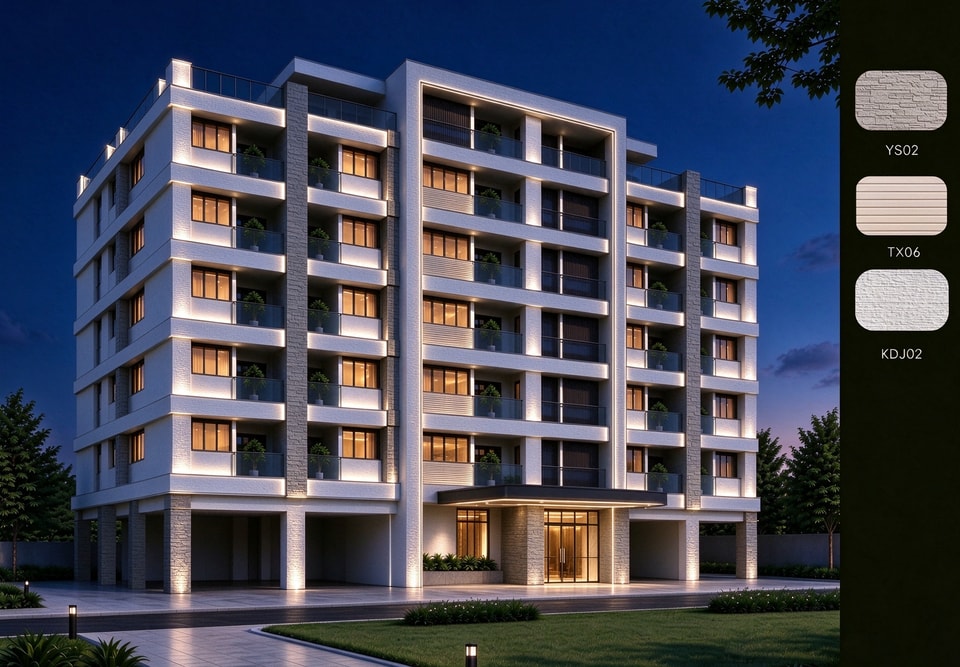
What is Fiber Cement Siding: Benefits & Uses
Understanding Fiber Cement Siding: Benefits and Uses Fiber cement siding is an exterior cladding made from cement, reinforcing cellulose fibers, sand, and water. It offers a wood-like appearance with resistance to rot, insects, and fire, making it worth considering for new construction or replacement siding. This guide explains its benefits, common uses, installation needs, and budgeting considerations. What is fiber cement siding? Fiber cement siding is a manufactured covering installed on exterior walls to provide a finished surface and help protect the wall assembly from weather. Available as overlapping planks, shingles, and panels, it can suit traditional homes or contemporary designs. It works as part of a complete exterior system, not as a substitute for flashing and water-management layers behind the siding. If you are asking “what is cement fiber siding,” the term generally refers to the same material. The conventional name is fiber cement siding. Its performance depends on both the product selected and installation that follows the manufacturer’s requirements. Materials and manufacturing What is fiber cement siding made of? Typical ingredients include Portland cement, sand, cellulose fibers, and water, although manufacturers may use additional ingredients. The fibers reinforce the cement-based material, which is formed into boards or panels and cured to develop strength and stability. Exact formulations and finishes vary, so check the documentation for the product you are considering. Benefits and practical limitations The main appeal is a combination of design flexibility and resistance to common siding problems. However, durable does not mean indestructible, and low maintenance does not mean maintenance-free. Installation quality, moisture exposure, and finish condition all affect performance. Rot and insect resistance: Fiber cement provides an alternative where wood decay or insect damage is a concern. Water-management details still matter because resistant cladding cannot compensate for leaks behind the wall covering. Fire resistance: Many fiber cement products are noncombustible. That is a useful material characteristic, but it does not make an entire home fireproof; the surrounding construction and wall assembly also matter. Wood-like appearance: Textured products can resemble wood siding without having the same susceptibility to rot. Smooth finishes offer another option when a less rustic appearance is preferred. Handling demands: Boards are relatively heavy, and cutting requires suitable tools and dust controls. These requirements make installation planning important rather than an afterthought. Common styles and exterior applications Fiber cement can cover an entire exterior or provide a contrasting accent. Choosing a format is partly an aesthetic decision, but joints, trim, and transitions must also be planned. Review samples alongside windows, roofing, and other exterior finishes before committing. Lap siding and shingles Horizontal lap siding creates overlapping lines associated with traditional clapboard exteriors. Shingle-style products provide a smaller-scale pattern and can be used to distinguish a gable or another feature. Combining formats can add visual interest without changing the underlying siding material. Exterior wall panels Fiber cement exterior wall panels create broader surfaces with fewer repeating horizontal lines than lap siding. Panels can support clean-lined designs or board-and-batten treatments, depending on the system. Their joints need deliberate detailing: battens, flashing, sealants, or another approved joint design must follow the applicable installation requirements. How does fiber cement compare with other home siding options? Fiber cement is worth comparing when you want a painted or wood-like exterior with strong fire and pest resistance. Vinyl, wood, metal, and masonry offer different combinations of appearance, maintenance, weight, and installation cost. There is no universal winner; the right choice depends on your priorities and the specific products available. For a useful siding cost comparison, request quotes with matching scopes rather than comparing material prices alone. Ask each contractor to itemize: Removal and disposal of existing siding. Inspection and repair of underlying sheathing. Water-resistive layers, flashing, and drainage details. Siding, trim, fasteners, and finishing work. Access equipment, cleanup, and warranty responsibilities. Treat this as a bid-comparison checklist, not a fixed price formula. A lower quote may exclude work another contractor includes. Also ask about future repainting and repairs so the decision reflects ongoing ownership costs. Siding installation tips that matter Manufacturer instructions should guide the installation, including fastening, clearances, joint treatment, and finishing. Generic advice cannot replace the requirements for a particular product and wall assembly. Confirm these details before work begins. Plan water management. Coordinate the water-resistive barrier and flashing around openings and transitions. Siding alone is not the drainage strategy. Maintain required clearances. Follow product-specific spacing from soil, roofing, and adjoining surfaces rather than using a universal measurement. Check fastening and joints. Use the specified fasteners and joint details; do not assume every seam should be caulked. Control cutting dust. Cutting can release respirable crystalline silica. Installers should use appropriate cutting methods, dust controls, and required protective equipment. Maintenance and the final decision Follow the manufacturer’s cleaning and finish-care instructions for the product you installed. General practice on coated fiber cement is gentle cleaning with a garden hose and a soft, non-metallic brush. High-pressure washing can drive water behind the cladding and damage the finish. Inspect the exterior for damaged finishes, failed sealant where applicable, and drainage problems, then address issues promptly. Before choosing, compare physical samples, review installation requirements, and obtain clearly itemized bids. Give particular attention to transitions and moisture details, not just color. Fiber cement’s benefits are most useful when the product, installation plan, and maintenance expectations fit your home. References International Residential Code (IRC) 2024, Chapter 7: Wall Covering PNNL BUILD America: moisture, impact, fire and pest resistant exterior siding CDC / NIOSH: respirable crystalline silica released when cutting cement board IIBEC Technical Advisory No. 017-2019: fiber cement siding performance issues
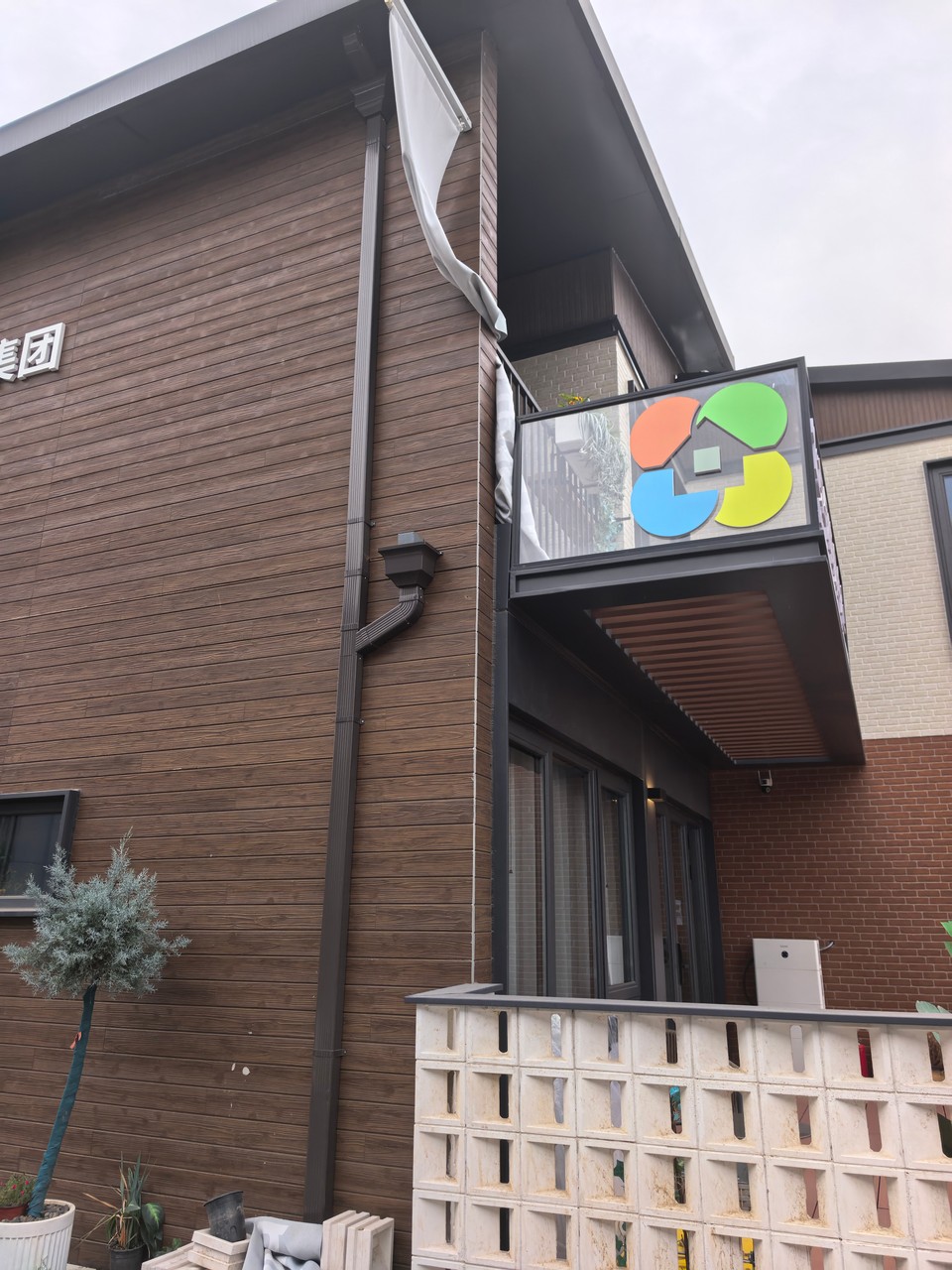
Can cement board be used outside
Can cement board be used outside Yes, cement board can be used outside when the specific product is approved for exterior applications and installed as part of a suitable wall system. The important distinction is between cement backer board beneath a finish and fiber cement panels designed as siding. Choosing correctly means checking the board’s intended use, moisture protection, and installation requirements—not simply whether it contains cement. Which type of cement board belongs outside? Exterior-rated cement backer board belongs beneath an approved finish, while fiber cement siding belongs on the exposed face of an exterior wall. These products serve different purposes, even though shopping descriptions sometimes group them together. Backer board is built to carry a finish bonded to its face, so its own surface is never meant to stay visible. Fiber cement cladding is built to be that finish, with a factory coating, a profile and a joint detail of its own. Before buying exterior cement board, decide what the finished surface should be: · Tile or thin brick: Choose an exterior-approved backer board and compatible finish system. Follow the finish manufacturer’s requirements for bonding materials and joint reinforcement. · Visible siding: Choose purpose-made fiber cement cladding rather than assuming ordinary tile backer board can remain exposed. · A direct-applied textured finish: Confirm that the board, basecoat, reinforcement, and finish are approved together. Exterior suitability depends on the assembly, not just the sheet. If you are comparing cement board uses, start with the installation document rather than the product’s appearance. Ask the supplier to identify the exact exterior application it permits. A board suitable behind tile is not automatically interchangeable with cement board siding. Is cement board waterproof outdoors? It depends which question you mean. Cement board does not swell, rot or lose strength when it gets wet, which is why it is used outdoors at all. Whether liquid water passes through the board is a separate test, and not every cement board is put through it. Ordinary tile backer board is expected to be covered by a finish, so its literature describes it as water-durable. An exterior cladding board that stays exposed should be tested for water impermeability, and that result is the one worth asking for. If your search started with “cement waterproof,” separate the two things: whether water damages the board, and whether water crosses it. The Shengbaoqiang board was tested for water impermeability under GB/T 30100-2013, and report BETC-T4BC-2026-01542 records that after 24 hours of standing no damp mark and no water droplet formed on the back face. The same report lists a water absorption rate of 16.5%, so the board does take moisture into its own thickness. What it does not do is let water travel through to the other side. That result describes the board, not the wall. Water enters a cladding assembly through joints, fixings and cut edges, so an exterior system still needs a weather-resistive barrier and flashing behind the board, with a designed path for moisture to drain out. Pay particular attention to windows, doors, and penetrations. Follow the specified flashing and sealant details rather than improvising with a surface coating. The practical goal is a continuous drainage strategy, not merely a water-resistant face. Self cleaning is a coating result you can test Self cleaning is a surface property, and it can be measured instead of asserted. The finished surface of the 3030 x 455 x 16 mm board was tested for stain resistance by the immersion method under GB/T 9780-2013, and report BETC-T4BC-2026-01544 records a result of Grade 0. That is what a rain-washed facade depends on: dirt does not key into the coating, so rainfall carries it away rather than leaving streaks behind. The coating was tested for durability in the same report, which is where most self cleaning claims fall apart. It survived 10,000 scrub cycles under GB/T 9266-2009 with no exposure of the substrate, showed no discoloration, blistering, flaking, powdering or softening after 96 hours in saturated calcium hydroxide solution under GB/T 9265-2009, and after 100 freeze-thaw cycles the specimens showed no delamination or flaking under GB/T 7019-2024. Tested by the CABR national testing center, these are what turn a self cleaning phrase into documentation a buyer can check. Outdoor cement board needs a planned installation Good cement board installation begins before fastening the first sheet. Verify the approved framing, attachment method, joint treatment, and finish requirements for the exact product. Exterior systems also need details that account for openings and weather exposure during construction. Use this planning checklist with your installer: 1. Confirm the application. Obtain documentation approving the board for your intended exterior finish, rather than relying on a general “moisture-resistant” description. 2. Plan water management. Identify the barrier, flashing, and drainage details before covering the wall. 3. Follow the fastening schedule. Use the specified fasteners and spacing for the selected assembly; do not borrow instructions from another board. 4. Treat joints correctly. Use the required exterior reinforcement and compatible mortar or basecoat. Joint details differ between tile, thin brick, and textured finishes. 5. Schedule finishing around weather. Follow restrictions on wet or frozen boards, application temperatures, and protection while finishes cure. Do not read permission for temporary exposure as approval for permanent exposure. If a supplier says the board tolerates weather during construction, ask how many days of uncovered exposure that covers and get the figure in writing. When you plan around a delay, work from the product’s own installation document. Cutting deserves its own safety plan. Fiber cement cutting can generate silica-containing dust, so follow the manufacturer’s cutting guidance and applicable exposure controls. Use appropriate dust collection rather than assuming working outdoors alone provides adequate protection. When should you choose fiber cement exterior wall panels? Choose fiber cement exterior wall panels when you want the panel itself to provide the finished cladding rather than serve as backing for another material. Fiber cement combines cement, sand, cellulose fibers, water, and product-specific additives. Purpose-made siding products offer exterior finishes and profiles without requiring a separate tile or brick surface. When comparing a cement siding board with backer board, ask for the siding product’s own installation instructions. For searches such as “siding panels 4x8,” treat dimensions as only one filter: confirm exterior use, finish requirements, and attachment details before ordering. A sheet’s size does not establish its role in the wall. Environmental benefits need product-specific evidence Fiber cement exterior wall panels are sometimes presented as a new type of environmentally friendly material. More accurately, they are an established material category with ongoing manufacturing improvements. Their environmental appeal can include durability, potentially fewer replacement cycles, and manufacturing practices that recover water or reduce production waste. These benefits depend on the manufacturer and product—not simply the words “fiber cement.” Look for a product-specific Environmental Product Declaration, or EPD, when evaluating those claims. An EPD provides verified life-cycle environmental information; it is not proof that every fiber cement panel outperforms every alternative. Compare documented impacts alongside expected service life, maintenance, and your project’s requirements. The takeaway: choose the system, not just the board For a cement board exterior project, first establish whether you need backing or finished siding. Then verify exterior approval, water management, and compatible installation details. The reliable answer is yes—but only when the particular board and complete assembly match the job.
Benefits of Using Fiber Cement Boards in Construction
Benefits of Using Fiber Cement Boards in Construction Fiber cement boards offer a combination of weather resistance, fire performance, and design flexibility for residential and commercial exteriors. They can deliver wood-inspired or masonry-style finishes while resisting problems such as rot and insect damage. Their benefits depend on selecting the right product and installing it as part of a properly detailed wall system. What makes fiber cement boards useful in construction? Fiber cement boards combine cement, reinforcing fibers, and other ingredients to create durable cladding products. Common formulations include Portland cement, sand, cellulose fibers, and water, although manufacturers use different recipes. Also called cement fiber boards, these products are available as planks, panels, and complementary exterior components. For anyone choosing siding for houses, their appeal goes beyond appearance. Fiber cement siding provides a weather-resistant exterior surface without relying on exposed natural wood. Manufacturers offer products engineered for different climates, making product selection important rather than treating every board as interchangeable. Useful applications include: Lap siding: Overlapping planks for a traditional exterior. Fiber cement panels: Larger-format surfaces for contemporary designs or textured accents. Trim: Coordinated components for corners, openings, and other transitions. Choose components according to their approved applications rather than assuming one board suits every location. Durability against moisture and pests Among durable building materials, fiber cement stands out for its resistance to rot, pests, and weather-related deterioration. This makes cement board siding worth considering where homeowners want a wood-inspired exterior without exposed wood’s vulnerability to decay. Resistance does not eliminate maintenance, but it can reduce the problems owners need to manage. The waterproof-board description needs care: standard fiber cement siding is generally water-resistant, not a complete waterproof wall system. Joints, openings, flashing, and the backing membrane still matter. A cement board exterior must manage water that reaches behind the cladding, not merely shed rain at its face. Similarly, “insect-proof” is best understood as resistance to insect damage, not a guarantee that insects cannot enter the building. Fiber cement does not attract pests in the way susceptible wood materials can, but the surrounding construction still needs protection. Asbestos free is a test result, not a label Asbestos content decides whether fiber cement boards can be imported, specified or installed at all. Testing by polarized light microscopy against AS 5370:2024 with Amendment 1:2025 returned a negative result for all six regulated asbestos fiber types: chrysotile, amosite, crocidolite, tremolite, actinolite and anthophyllite. The method detection limit for each was 0.1% by weight, and no unknown mineral fibers were found in the tested sample. This wording matters when you compare suppliers. A negative result means no asbestos was detected at the stated limit in the sample submitted, which is a different claim from the phrase asbestos free printed on a price list. Ask for the report, check the method and the detection limit, and confirm that the board tested is the board being supplied. Fire performance you can verify from a test report Fire performance is a frequent reason to compare cement siding materials. It is a measured property. SGS tested the non-asbestos fiber cement board under AS 1530.1:2024, a combustibility test for materials, and concluded that the tested sample shall be deemed noncombustible. Across five specimens the total duration of sustained flaming was zero seconds, the furnace thermocouple temperature rise averaged 2.6 °C, and the specimen surface thermocouple temperature rise averaged 6.4 °C. Under the same standard a material is treated as combustible if sustained flaming occurs, or if either of those rises exceeds 50 °C. A fire test result does not transfer between rating systems. A noncombustibility determination under AS 1530.1 describes the material on its own; it does not award a European class under EN 13501-1, a US Class A flame spread rating under ASTM E84, or an approval for any specific wall assembly. Where a project names one of those systems, the matching report has to be produced before the board is specified. A second SGS report covers AS/NZS 1530.3:1999, which measures ignitability, flame propagation, heat release and smoke release in one test. Six specimens were tested and none ignited. The reported indices were 0 for ignitability, 0 for spread of flame and 0 for heat evolved, with a smoke developed index of 5, and the specimens discolored without igniting. That test used a 14.6 mm board with an area density of 22.9 kg per square meter, so the figures describe that thickness and finish rather than every board in the range. No siding makes a building fireproof. The complete wall assembly, insulation, openings, and other protective measures remain important, so confirm local requirements before specifying exterior building materials. Can fiber cement boards clean themselves? Some coated fiber cement boards possess a self-cleaning function, but this is a finish-specific feature rather than a property of every board. Certain panels use a photocatalytic coating designed to reduce dirt adhesion when exposed to sunlight. That coating system typically combines factory-applied color, ceramic protection, and a photocatalytic surface. When a supplier promotes a waterproof board with self-cleaning and insect-proof properties, request separate evidence for each claim. The coating may provide self-cleaning performance, while the board provides resistance to pest damage; neither establishes that every joint is waterproof. Ask what exposure conditions and maintenance instructions apply before making reduced cleaning a purchasing priority. Wood grain, stone-like shapes, and coordinated details Wood grain and stone-like shapes are appealing styles within weather-resistant board ranges. Manufacturers offer wood, stone, brick, concrete, and smooth finishes, allowing designers to combine textures without switching to a different cladding category. For example, wood-look panels can bring visual warmth to an entrance while stone-style panels define a contrasting accent. Consider the details alongside the main exterior wall boards. Fiber cement siding trim boards can frame windows and corners, while an approved soffit board can finish the underside of roof overhangs. Select fiber cement trim boards and accessories early so their profiles and finishes support the intended appearance. Specify the whole wall, not just the surface Fiber cement should not be mistaken for insulated siding. It offers modest thermal resistance, but it is not a primary insulation material. For an energy-conscious project, evaluate the insulation and wall design separately rather than expecting the cladding alone to provide substantial thermal performance. Before comparing quotations, use this checklist: Confirm the application: Match each product to its approved use and exposure. Check supporting details: Review membranes, drainage, flashing, joints, and clearances. Verify performance claims: Obtain the fire test report, the asbestos test report and coating data for the exact thickness and finish. Review installation and care: Compare specified accessories, finish requirements, and warranty conditions—not board prices alone. Manufacturer instructions make these details central to performance and warranty eligibility. The practical takeaway Fiber cement offers durability, varied finishes, and documented fire-performance options. Its strongest benefits come from pairing the right boards with compatible details and realistic maintenance expectations. Compare complete systems, verify special claims, and choose a finish that suits both the design and the building’s exposure.
Fiber Cement Board Manufacturer in China | Shengbaoqiang
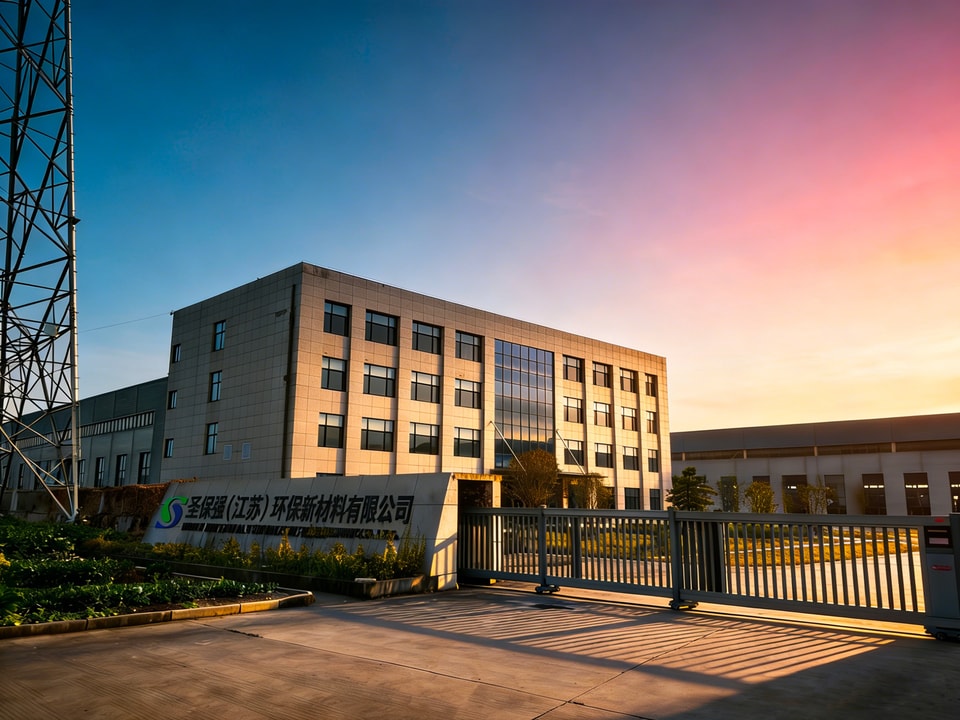
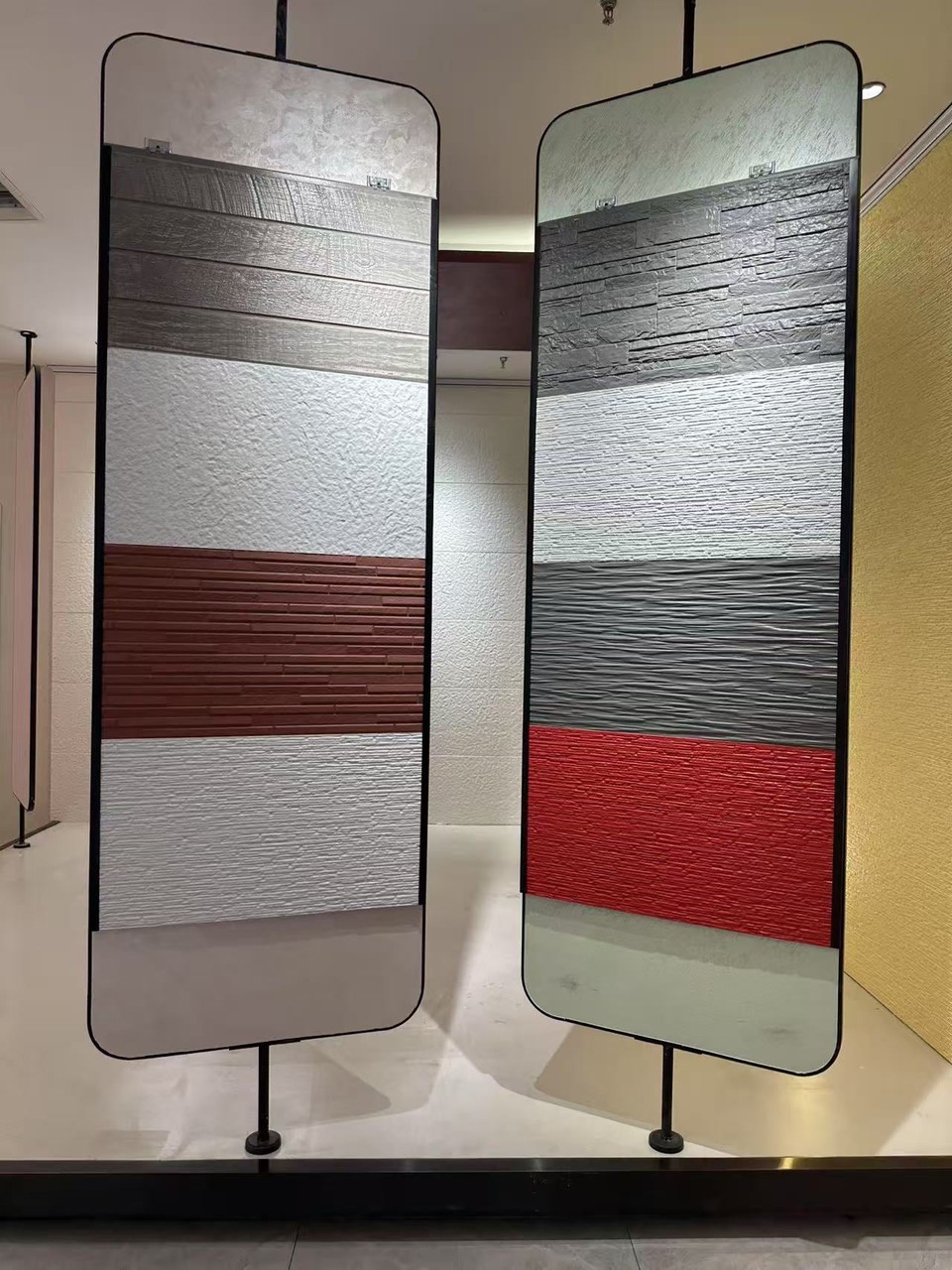
Fiber Cement Board Manufacturer in China Choosing a fiber cement board manufacturer in China comes down to two things: what the board has to do on site, and whether the factory will put paperwork behind the claims printed on its own datasheet. Most buyers open with price per sheet. That is the wrong end of the question. A board that arrives under thickness, or takes a finish coat badly, costs far more than the saving once you add replacement stock and a slipped handover date. Below is what should be answered in writing before a sample is approved or an order released. Our own specification sheet is included so you can see what a complete reply looks like before you go hunting for one. How do you choose a reliable fiber cement board manufacturer in China? Start with the duty the board has to carry. An interior partition lining, an external ventilated facade, a soffit and a floor base are four different jobs, and one board is not right for all four. A supplier that knows its own range names the grade and hands over the matching installation guide without being pushed twice. Put four questions to every quotation: · Product identity. Which product code, thickness, surface texture and edge detail does this price cover? · Use approval. Is this board suitable for the exposure and the subframe shown in our drawings? · Proof. Do the test reports name the board being sold, or an unrelated range from the same cement board factory? · Responsibility. Who answers technical queries during the job, and who carries the cost when a delivery fails inspection? Almost every listing on page one calls itself a high quality fiber cement board manufacturer. That phrase carries no information until a datasheet, a report and a written installation method are attached to it. Compare the attachments, not the adjectives. What a board manufacturing company should be able to explain Fiber cement products are built from a short ingredient list: cement, reinforcing fibre, silica fume and mica. What separates one board from another is particle gradation, forming pressure, and how long the sheet is allowed to cure. On our line the slurry is formed under high temperature and pressure, cured, then given a secondary cure before drying, cutting to length and spray coating. Autoclaved sheets and sheets hardened by a shorter route do not move, span, or take a finish the same way. Ask the cement board manufacturer to walk you through its checks in plain language instead of sending a brochure. The tolerance on length, width and thickness. What is verified on finished boards. How a pallet label traces back to a production batch. Those three belong in your purchase specification. A visual inspection at the port is not a quality system. When you order samples, take the same grade, texture and colour you intend to buy, and write down what the sample is meant to prove. A sample settles appearance and handling. It says nothing about the container that lands three months later. Shengbaoqiang product attributes Every figure below comes from our current catalogue or from reports issued against Chinese national and building industry standards. Ask any supplier for the same two columns: the number, and the method behind it. Shengbaoqiang fiber cement board: product attributes. Attribute Detail Board size 3030 mm x 455 mm Thickness 16 mm Area per piece 1.38 m² Weight per piece 28kg Pieces per pallet 54 or 80, covering 74.5 m² or 110.4 m² Surface textures Flat, rock grain, stripe, wood grain and brick pattern. Five series, 30 product codes, four stock colours each Typical applications Ventilated external facades, gable and balcony panels, soffits and eaves, parapets, boundary walls, interior wall lining Surface finish system Penetrating primer, decorative topcoat, matte protective coat Apparent density 1.22 g/cm³ (GB/T 7019-2024, 5.3) Water absorption 16.5 % (GB/T 7019-2024, 5.3) Flexural strength, saturated 8.6 MPa (GB/T 7019-2024, 5.7) Moisture deformation 0.05 % (JG/T 396-2012, Annex D) Bending failure load 2457 N (JC/T 2085-2011, 6.6) Thermal conductivity 0.25 W/(m·K) at mean 25 °C (GB/T 10294-2008) MOQ Single pallet release accepted. Mixed series by container on request Colour customisation Custom colour matching free of charge to RAL, NCS or a physical sample you send us Samples Free sample set of the exact texture and colour. Buyer covers courier or arranges pickup Technical documents Datasheet, GB/T and JC/T test reports, dry hanging installation details, finish sequence for coated boards Send that sheet to each shortlisted cement board supplier and ask them to fill it in. Anyone who leaves two thirds of it blank is quoting a different product from the one you need. Green, waterproof, fireproof and insect proof: get each claim separately Four words in a quotation are four separate tests, and not one of them is a blanket guarantee. · Water. Our boards return 16.5 % absorption and no wet mark on the back face after 24 hours of static exposure. That is resistance to liquid water, not a watertight wall. The weather barrier behind the panels still does that job. · Fire. A mineral cement board contains no organic fuel. That describes the material, it is not a rating. Fire behaviour belongs to the whole assembly, cavity and insulation included, and only an assembly test states a rating. · Insects. Termites do not eat cement. That is a narrower claim than insect proof, and it is silent on the battens behind the board. · Emissions. E0 is a formaldehyde emission class that appears in some product literature. It is not a product name and not a performance claim, and one supplier's E0 line proves nothing about another supplier's board. Does fiber cement board need a bonding agent before skim coating? Sometimes, and the answer comes from the system you specify rather than from the board alone. Our cladding leaves the line with three coats, so a skim coat over that face bonds to a factory coating, not to cement, and the coating supplier's instructions govern. Over bare, uncoated board the reverse applies: a primer or bonding agent is usually required, because the raw surface pulls moisture out of the compound too quickly and adhesion drops. Buyers searching for a fiber cement board skim coat bonding agent required manufacturer, or a skim coat fiber cement board bonding agent required manufacturer, are really after one document. That document should name the surface preparation, the approved joint filler and tape, the primer with its dilution and drying time, the permitted skim coat thickness, and the compatible topcoat. Build a mock up panel with the real boards and real finish materials before a full elevation goes up, and agree the acceptance criteria in advance. A smooth sample panel is not approval of a system. What should a fiber cement board thermal conductivity manufacturer PDF show? The product, the value, the units, the test method and the test conditions. Ours reports 0.25 W/(m·K) measured to GB/T 10294-2008 at a mean temperature of 25 °C, on the same board grade we ship. That figure moves with moisture content and temperature, which is why the conditions matter as much as the number. Do not lift a value written for a different density and expect your design calculation to hold. Keep the performance groups apart. Heat flow through a material is not a fire class. On complete wall structures at 25 °C we measured 0.806 W/(m²·K) for our panel against 2.762 for brick and 11.236 for concrete. Those are assembly values and sit in a different column from the table above. Documented fit beats broad promises The safest order you can place links specific fiber cement panels to a defined duty, an agreed specification and evidence you have actually read. Close the open technical questions before the deposit leaves. A low opening price has never paid for a re delivery. Specifications, colour matching and free sample requests go to Shengbaoqiang, Hai'an, Nantong, Jiangsu. www.sbqwallpanel.com
House Fiber Cement Siding: Cost, Profiles and Upkeep
House Fiber Cement Siding: Cost, Profiles and Upkeep Fiber cement siding is an exterior cladding option for homeowners who want wood-inspired textures, clean panels, or traditional lap siding. Among building materials for siding, fiber cement offers several design options, but choosing it also means planning for installation, finishing, and upkeep. This article explains the material, the factors behind project costs, and what to discuss with an installer before committing. What is fiber cement siding? Fiber cement siding is manufactured exterior cladding made from cement, reinforcing cellulose fibers, and other ingredients. The usual mix combines cellulose fiber with Portland cement, silica, water, and small amounts of additives. That slurry is formed into boards or panels with smooth or textured surfaces. You may encounter the terms cement siding and cement board siding while shopping. Specify exterior siding rather than assuming every cement-based board serves the same purpose: manufacturers list siding, trim, soffits, and backer board as distinct products. Ask suppliers to identify the exact product and intended application on your order. For your house, fiber cement siding should be evaluated as part of a complete exterior project, not simply a board purchase. Include the desired finish, trim details, installation requirements, and maintenance expectations in your comparison. Manufacturer guidance emphasizes considering both upfront expenses and ongoing care. Choose a profile that suits the whole exterior Fiber cement exterior siding comes in lap boards, vertical panels, shakes, and shingles. Smooth and woodgrain finishes offer different visual effects, while coordinating trim helps define openings and corners. Start with the overall appearance you want, then narrow your choices to compatible products. Use these design prompts when reviewing samples: · Horizontal lap: Consider it when you want continuous horizontal lines across the main walls. · Fiber cement vertical siding: Review panel layouts and batten placement together rather than selecting panels alone. · Shakes or shingles: Consider whether to use them throughout the exterior or as a contrasting accent. · Fiber cement siding trim: Compare widths and finishes alongside the siding sample, not afterward. Before choosing siding with fiber cement, request a layout showing where profiles change. Ask the installer to explain corner treatments and transitions. This makes the intended design clearer before materials are ordered. What determines fiber cement siding cost? Fiber cement siding cost depends on the selected products, exterior wall area, home height and shape, local labor, and the work included in the installation. A material-only price cannot establish the total project budget. A site-specific estimate is the more useful starting point. When comparing fiber cement board siding cost, request a written breakdown rather than relying on one headline figure. Use the following checklist to establish what each proposal covers: Quote item What to clarify Siding and trim Product names, profiles, finish, and quantities Preparation Removal, disposal, and any wall repairs included Installation materials Flashing, fasteners, and water-management components Finishing Painting, touch-ups, and sealant work Additional work Exclusions and approval process for unexpected repairs Home size and shape, product selection, and project scope move the price more than anything else. Use your itemized checklist to bring competing proposals onto comparable terms before choosing a contractor. Avoid setting a budget from floor area alone. Ask contractors to explain their exterior measurements and assumptions. Keep any allowance for concealed damage separate from the confirmed work so you understand what could change. How to nail fiber cement siding correctly? The answer to how to nail fiber cement siding is to follow the exact product’s installation instructions, including approved fasteners, placement, spacing, and fastening depth. There is no universal nail schedule for every board and wall assembly. Product manuals typically specify corrosion-resistant fasteners and warn against overdriving them. Before work begins, confirm these details with the installer: 1. Fastener selection: Identify the approved nail or screw for the product and supporting wall. 2. Placement and penetration: Follow the applicable fastening schedule rather than guessing from board width. 3. Driving depth: Avoid overdriven fasteners, which can reduce holding power. 4. Nailing method: Confirm whether the application calls for blind nailing or face nailing. Cutting also requires planning. Fiber cement work can generate respirable silica dust, so ask about the manufacturer’s cutting guidance and the crew’s dust-control procedures. Treat these precautions as part of installation planning, not an optional extra. Select installers by the details they explain When interviewing fiber cement siding installers, ask each contractor to identify the product instructions they will follow. Request examples of comparable work and an explanation of flashing, clearances, fastening, and finishing. Manufacturer guidance recommends experienced siding professionals for full siding projects. A search for fiber cement siding Indianapolis returns pages of local contractors. Use the same questions to assess their proposals: who supervises installation, how unexpected repairs are authorized, and what documentation you receive afterward. Do not treat a local search ranking as evidence of installation quality. Plan for care after installation House fiber cement siding still needs routine care. Gentle cleaning beats pressure washing, which can damage the factory finish and force water into the joints. Follow the selected product’s instructions for cleaning and repairs. Do not assume all cement siding materials are the same, and do not assume fiber cement house siding from two mills will age the same way. Keep product information, finish details, and installation records together. Before approving the project, request written maintenance guidance. Choose the profile you like, compare complete proposals, and prioritize an installer who can explain the details behind the finished appearance.
How to Choose Fiber Cement Siding for Exterior Walls
How to Choose Fiber Cement Siding for Exterior Walls Orders for fiber cement siding rarely fail on the board itself. They fail on what the line item leaves out — the barrier behind the panel, the flashing at an opening, the trim nobody priced. Among cement siding materials, fiber cement is unusually unforgiving of a vague specification. Panels arrive cut to a profile, so a decision postponed to site becomes a replacement order six weeks later. The useful question at quote stage is not which board is best. It is which quote is specific enough to compare against the other two. Profiles and trim are where quotes get vague Three houses, three different meanings of "fiber cement." Horizontal lap is the default assumption. Fiber cement vertical siding is priced by panel width and by how the battens land around windows, and if no drawing shows the seam positions, that decision gets made by whoever lays the first course. Fiber cement board and batten siding reads simply on a mood board and then exposes every wall in the building that is out of plumb. Trim is usually quoted separately from the field, and often in a different unit — one bid prices by length, the next prices by piece. Ask for fiber cement siding trim to be priced the same way across every bid, or the lowest total is simply the one that forgot a return at the garage door. Finish belongs in the same conversation. A primed panel needs paint on site, which is labor, a weather window, and a scaffold still standing. A factory-finished panel moves that work to the supplier and fixes the color before it ships. Line item Wording that cannot be compared Wording you can compare Profile "fiber cement siding" product name, panel width, exposure after installation Finish "as per sample" primed or factory coated, coating system, color reference Trim "accessories as required" each profile listed, priced in the same unit in every bid Barrier and flashing bundled inside "labor" membrane product, flashing material, tape system Unknowns nothing written an allowance or unit rate for concealed damage Weather resistance depends on the wall system Sold as weather-resistant siding, a fiber cement facade still does not drain by itself. The board sheds most of the water. The water-resistive barrier and the flashing deal with whatever gets behind it, and over twenty years that is the part deciding whether the wall is sound. Shedding water and draining water are two different jobs; a panel can pass one and lose the other. So ask the contractor to walk the roof-to-wall transition, head and sill flashing at openings, and clearance above soil, paving and roof courses. If one gap dimension comes back as the answer for every product on every job, that number was carried over from a different manufacturer's guide. Detail requirements also move with the market. Salt exposure on a coast, freeze-thaw inland, wind-driven rain, and the governing code all shift what should be specified. A crew pricing fiber cement siding in Indianapolis works to different conditions than a project on a tidal river, and it is fair to ask which document the price was built from. What water actually does to these panels is covered separately → is fiber cement board waterproof for outdoor use Fiber cement vs vinyl is a scope question A full fiber cement vs vinyl breakdown, along with PVC, wood, metal and render, sits in the materials comparison rather than here. At quote stage the question is narrower. A home exterior materials comparison means something only when both bids strip the wall to the same substrate, replace the same sheathing, and install the same flashing. A share of the price gaps we see between quotes is one contractor including removal and disposal while the other assumed the wall arrived bare. Reading fiber cement board siding cost line by line Fiber cement board siding cost moves with wall area and geometry before it moves with the board. Then come the parts a total hides: removal and disposal of what is on the wall now, repair of whatever removal
Shengbaoqiang – Fiber Cement Board Manufacturer in China
Shengbaoqiang – Fiber Cement Board Manufacturer in China Shengbaoqiang (Jiangsu) Environmental Protection New Materials Co., Ltd. is a China-based manufacturer specializing in fiber cement boards and decorative fiber cement wall panels. The company supplies fiber cement wall panels for building facades, exterior cladding, architectural decoration, and other construction applications. Available surface designs include wood grain, stone grain, brick patterns, grooved textures, and flat finishes, subject to product availability. Fiber Cement Board Products Shengbaoqiang provides fiber cement board solutions for distributors, building material importers, contractors, and project buyers. Depending on the product model, customers can discuss panel dimensions, thickness, surface texture, color options, packaging, and other project-specific requirements with the factory. Manufacturing and Customization As a manufacturer based in Jiangsu, China, Shengbaoqiang works with international customers seeking factory-direct supply and customized product solutions. OEM and ODM cooperation can be discussed according to product specifications, order quantities, branding requirements, and project needs. Product Testing and Technical Information Product selection should be based on the intended application, relevant technical specifications, and applicable local building requirements. Shengbaoqiang provides available product test documentation for customer evaluation. Buyers are encouraged to confirm the tested product model, sample dimensions, test methods, and report scope before using the documentation for project approval. Tested sample The results below refer to one product type: Shengbaoqiang fiber cement board, 3030 mm × 455 mm × 16 mm. Testing was carried out by CABR Testing Center Co., Ltd. (National Center for Quality Inspection & Test of Building Engineering). Two separate reports are cited, and each table is tied to its own report number so that buyers can match every row to the original document. Physical and mechanical properties Report BETC-T4BC-2026-01542 · sample submitted 1 July 2026 · tested 27 August – 9 September 2026 · report issued 9 September 2026 Property Test method Result Apparent density GB/T 7019-2024, 5.3 1.22 g/cm³ Water absorption GB/T 7019-2024, 5.3 16.5 % Impermeability GB/T 30100-2013, 16 No moisture marks or water droplets on the back face after 24 h Flexural strength (saturated) GB/T 7019-2024, 5.7 8.6 MPa Impact resistance GB/T 7019-2024, 5.9 No cracks on either face at the impact point Moisture movement JG/T 396-2012, Annex D 0.05 % Thermal conductivity (mean 25 °C) GB/T 10294-2008 0.25 W/(m·K) Warping after water absorption JC/T 2085-2011, 6.12 0.06 mm Bending failure load JC/T 2085-2011, 6.6 2457 N Note on bending failure load: the specimen size for this test was 500 mm × 400 mm, tested at a loading rate of 1000 N/min, with failure or maximum load reached within 1–3 minutes. Durability and surface performance Report BETC-T4BC-2026-01544 · sample submitted 2 July 2026 · tested 3 July – 4 August 2026 · report issued 11 August 2026 Property Test method Result Freeze–thaw resistance (100 cycles) GB/T 7019-2024, 5.8 No delamination, spalling or other damage to the appearance Stain resistance (immersion method, B) GB/T 9780-2013 Grade 0 Scrub resistance (10,000 cycles) GB/T 9266-2009 No substrate show-through Alkali resistance (saturated calcium hydroxide, 96 h) GB/T 9265-2009 No discoloration, blistering, peeling, chalking or softening of the coating surface Freeze–thaw performance in context In the freeze–thaw resistance test, specimens were subjected to 100 freeze–thaw cycles and then examined for appearance quality. No delamination, spalling or other damage was observed (GB/T 7019-2024, 5.8). For buyers specifying panels for cold-climate markets, three points are worth confirming before approval: Cycle count. The reported result covers 100 cycles. If your project specification calls for a different number of cycles, ask for a test matching that requirement rather than extrapolating from this result. Product type. The tested sample is the 3030 mm × 455 mm × 16 mm board. Other thicknesses and surface finishes are separate product types and are not covered by this report. System, not just panel. In service, freeze–thaw durability also depends on the fixing system, joint detailing, drainage and ventilation behind the cladding. Panel test data supports the material choice; it does not replace a project-specific facade design. How to read these results Every value above comes from the report number shown in its table heading. Request the full PDF before submitting data for project approval. The figures describe the submitted sample tested under the stated methods. Normal production tolerance applies to commercial shipments. Surface-related results (stain, scrub and alkali resistance) refer to the finished face of the tested sample. Test reports are available on request through the contact details below. Contact Shengbaoqiang For product catalogs, technical data, samples, and quotations, contact Shengbaoqiang through the official website. Website: https://www.sbqwallpanel.com/
How Thick Is Fiber Cement Board? 6–18 mm by Application
How Thick Is Fiber Cement Board? 6–18 mm by Application Short answer: 6 mm to 18 mm. The number you need depends on what's behind the panel, not on what looks right in a sample. Most of the confusion comes from the term. In North America "cement board" means tile backer, the grey sheet that goes under ceramic. In Europe and Asia the same phrase covers exterior cladding, which is thicker because it hangs off a wall and takes wind. Two products, one name. So when a buyer asks how thick a fiber cement board should be, the answer starts with "which one". The thickness ranges, by product type Tile backer is the thin end: 6 mm for floors and overlays where there's continuous support, 12 mm for shower walls and wet areas. Exterior siding boards run 8 to 10 mm. Rainscreen cladding panels, the kind with a texture on the face and a fixing behind it, sit at 12 to 16 mm. Heavy public-area work goes to 18 mm. Imperial sizes explain some odd numbers. A quarter inch is 6.4 mm and half an inch is 12.7 mm, so a US "1/2 inch" backer measures 12.7 while the metric board beside it measures 12.0. Ordering from Asia? Buy on the metric figure and check it against your local spec. That's the market picture. What matters more is the rule underneath it: thickness buys stiffness and impact resistance, and both scale faster than the number suggests. Going from 12 to 16 mm adds a third to the section depth but roughly doubles the panel's resistance to bending. It also adds weight you have to lift, fix and pay freight on. You can see the range side by side in our flat board selection. Thickness is specified, not invented. ISO 8336 covers fibre-cement flat sheets and the tolerances around them, and GB/T 7019 sets the test methods behind the density and bending figures printed on any Chinese datasheet, ours included. If a supplier can't say which standard his tolerance comes from, treat the catalogue number as a claim rather than a specification. What thickness changes on site Three things, and fitters feel all three. Stiffness first. A thin panel needs closer support; a thick one can span further between rails. If your rail spacing is already fixed by the design, the panel thickness has to match it, not the other way round. Then fixings. A 6 mm board gives a screw very little to bite. Pull-through is the failure you see on thin sheets, especially where someone has over-driven a driver. At 16 mm there's enough depth for the connector to seat properly. There's arithmetic behind this that fitters never see. Bending resistance rises with the square of thickness, stiffness with the cube, so 12 to 16 mm isn't a third more strength: it's about 78 per cent more bending resistance and double the stiffness. That's why a 16 mm heavy-duty panel holds the same wind load on wider rails. And weight. This is the one that gets ignored at the quoting stage and hurts at the lift. Table 1 — Thickness by application (market norms, not a substitute for the project specification) Application Typical thickness Why Floor overlay, continuous support 6 mm Low load, low weight Tile backer, walls and showers 12 mm Screw embedment, tile load Exterior siding, nailed or screwed 8–10 mm Wind load, moderate span Rainscreen cladding, textured face 12–16 mm Impact, span between rails, fixing depth Heavy-duty public areas, ground floor 16–18 mm Impact resistance Fire-resistant or acoustic assemblies Per tested system Thickness alone doesn't give a rating What each thickness weighs Weight is where thickness stops being abstract. Our boards test at 1.22 g/cm³ apparent density, so the arithmetic is simple: thickness in metres times 1,220 kg. Table 2 — Weight at 1.22 g/cm³ Thickness kg per m² 2440 × 1220 mm sheet (2.98 m²) 6 mm 7.3 21.8 kg 8 mm 9.8 29.1 kg 12 mm 14.6 43.6 kg 16 mm 19.5 58.1 kg 18 mm 22.0 65.4 kg A 16 mm sheet at 2440 × 1220 is a two-person lift, and not a comfortable one. If your crew is fixing overhead, that number decides the method more than any drawing does. The same 16 mm is 58 kg as a 2.98 m² sheet and 30 kg as our 1.38 m² cladding panel. Thickness says nothing about what one unit weighs until you know its face size. Our two formats We make two product lines and they don't overlap, which saves a lot of the thickness argument. Table 3 — Shengbaoqiang standard formats Format Size Thickness Weight Where it goes Textured cladding panel 3030 × 455 mm 16 mm ~30 kg per panel (1.38 m²) Ventilated facades, dry-hung Flat cement board 2440 × 1220 mm 6 / 8 / 12 / 16 / 18 mm 21.8–65.4 kg per sheet Linings, soffits, general board work The textured panel comes in wood grain, linear stripe, brick, stone grain, grooved and flat faces. All of it is 16 mm, because the face texture doesn't change what the panel has to do structurally. The flat board is where you pick a thickness, and the choice is driven by span and fixing, not by the finish. When you compare our 16mm fiber cement board against a flat sheet from another mill, compare density as well as thickness. Two panels can both measure 16.00 mm and sit 15 kg apart per square metre, which shows up in the freight bill and in what your fixings carry.
Contact Us