
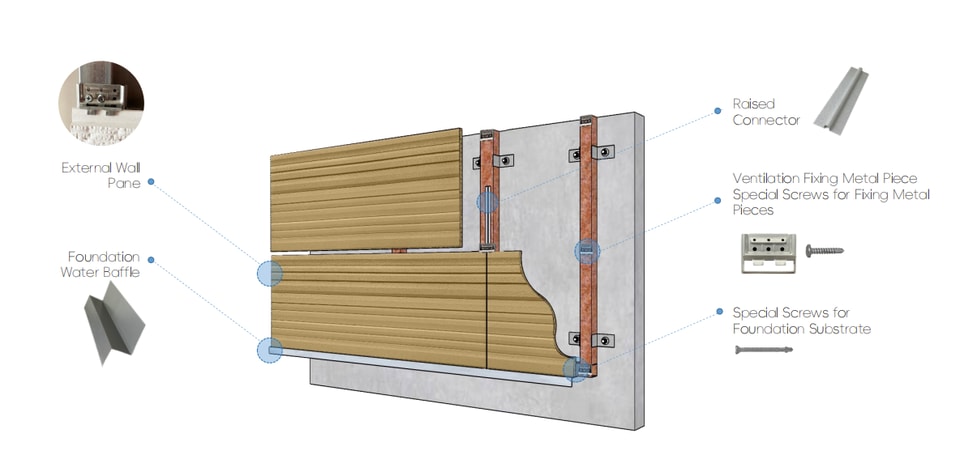
Ultimate Building Exterior Renovation with Fiber Cement Boards
The Ultimate Guide to Renovation of the Building s Exterior Walls Using Fiber Cement Boards
If your exterior walls are aging, cracked, faded, or simply no longer match the look you want, fiber cement boards can be a smart renovation choice. They offer the clean appearance of modern cladding with the practical strength homeowners and property owners expect from
Why choose fiber cement boards for exterior wall renovation?
Fiber cement boards are a popular exterior wall option because they balance appearance, durability, and design flexibility. Made from a cement-based composite, they can be used to refresh worn walls, cover dated surfaces, or create a cleaner architectural finish as part of a broader renovation. For many projects,
The main value is that fiber cement board siding can suit many styles. It may be installed as lap siding, larger sheets, textured panels, or smooth modern cladding, depending on the building and design goal. That makes it useful for residential upgrades, small commercial facades, garden buildings, extensions, and
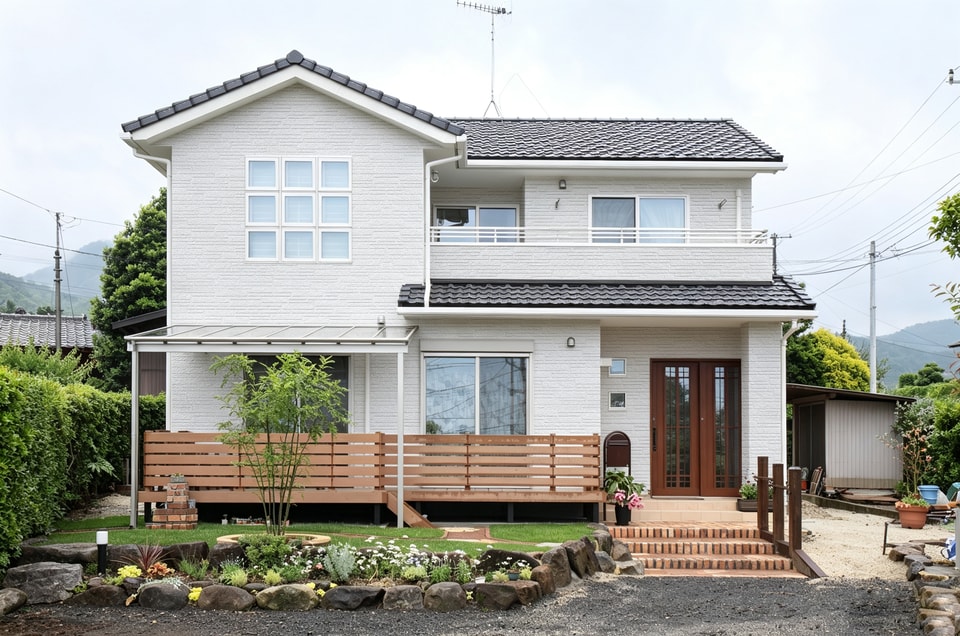

Fiber cement siding combines strength with design freedom
A good exterior wall renovation should not only look better on day one. It should also handle weather exposure, everyday wear, and changing design tastes.
From a design perspective, fiber cement can work with contemporary, farmhouse, industrial, coastal, or minimalist exteriors. Smooth boards can make a building feel modern and simple. Wood-look textures can add warmth without using natural timber cladding. Larger panels can reduce visual clutter and give older buildings a more current appearance.
From a practical perspective, the material is valued because it is dense and stable compared with many lightweight exterior finishes. It is often selected when a renovation calls for
Where fiber cement boards work best
Fiber cement boards can be used in many exterior renovation situations, but they work best when the project has a clear purpose. Before selecting a product, look at the existing wall condition, moisture exposure, architectural style, and the amount of maintenance you are willing to perform.
Common uses include:
- Full facade updates: Re-cladding a tired exterior to improve curb appeal and create a more cohesive look.
- Accent walls: Adding contrast around entries, upper stories, gables, patios, or extensions.
- Wall repairs and upgrades: Covering or replacing damaged exterior finishes when the underlying structure is sound.
- Mixed-material designs: Pairing
fiber cement siding with brick, stone, render, metal, or timber-style elements. - Small structure renovations: Updating garages, sheds, studios, workshops, and accessory buildings.
One of the most useful
What should you check before installation?
Before starting
A practical pre-installation checklist includes:
- Assess the existing wall surface. Look for cracks, soft spots, water stains, loose cladding, mold, or structural movement.
- Confirm the wall is suitable for cladding. The substrate or framing must be sound, flat enough for installation, and able to accept fasteners.
- Plan moisture management. Exterior walls need appropriate weather barriers, flashing, ventilation gaps, and drainage paths where required.
- Choose the right board type. Match thickness, profile, texture, and finish to the building design and local exposure conditions.
- Check local building requirements. Codes, fire rules, boundary conditions, and wind-load requirements can affect product choice and fastening.
- Plan trims and transitions. Corners, windows, doors, rooflines, penetrations, and base details should be designed before the first board is fixed.
- Estimate waste and layout. Careful measurement reduces awkward cuts and helps panels line up cleanly across the facade.
This planning stage is where many
Planning the look of your exterior walls
The best exterior renovations usually start with a visual goal, not just a material choice.
Color deserves special attention. Dark colors can create a bold, modern appearance, while soft neutrals often make a building feel larger and calmer. Natural tones can help connect the exterior to landscaping, stonework, or timber details. If you are renovating to sell, neutral palettes may appeal to more buyers; if you are renovating for long-term personal use, a stronger accent may be worth considering.
Texture also changes the final result. Smooth
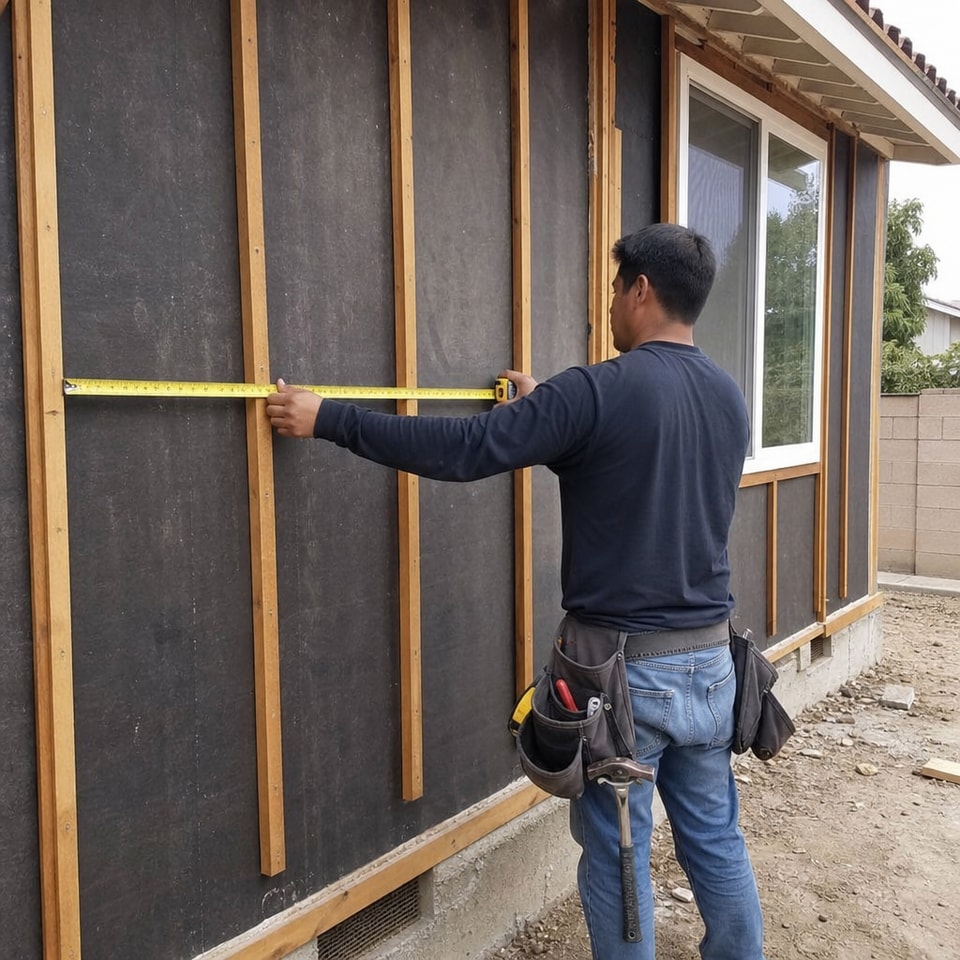
How does cement board installation usually work?
A simplified installation flow looks like this:
- Prepare the wall. Remove failing materials, repair damage, and create a stable base.
- Install water-management layers. Add or confirm the correct barrier, flashing, and drainage details.
- Mark the layout. Establish level lines, joint positions, reveal widths, and board direction.
- Cut boards safely and accurately. Use suitable tools, support panels properly, and follow safety guidance for dust control.
- Fasten according to specification. Use the correct fasteners, spacing, edge distances, and fixing method for the product.
- Detail openings and edges. Finish around windows, doors, corners, vents, and penetrations with planned trims and flashing.
- Seal, paint, or finish where required. Some products arrive prefinished, while others need coating after installation.
- Inspect the facade. Check alignment, gaps, fasteners, caulking, drainage paths, and any touch-up needs.
For many homeowners, professional
Mistakes that can shorten the life of the renovation
Even strong
Avoid these common mistakes:
- Installing over hidden damage: Rotten framing, trapped moisture, or unstable surfaces should be repaired first.
- Ignoring manufacturer instructions: Fastener type, spacing, clearances, and sealing requirements are product-specific.
- Skipping flashing details: Water must be directed away from openings, joints, and vulnerable transitions.
- Using poor layout planning: Random seams, narrow slivers, and misaligned boards can make an expensive renovation look careless.
- Forgetting ventilation or drainage: Some wall assemblies need an air gap or rainscreen approach to help moisture escape.
- Choosing color without testing samples: Exterior colors can look very different in sunlight, shade, and against roofing or landscaping.
- Underestimating handling needs: Panels can be awkward to carry, cut, and position, especially on multi-story walls.
The practical takeaway is simple: the board is only one part of the system. The wall behind it, the installer’s method, and the finishing details matter just as much as the product itself.
Fiber cement boards as part of a wider renovation plan
Exterior wall upgrades are often most effective when coordinated with other improvements. New cladding can highlight old gutters, tired lighting, cracked paving, or faded trim. If the budget allows, plan surrounding elements at the same time so the finished building feels intentional.
Consider combining
- New exterior paint on doors, fascia, soffits, or trim.
- Updated outdoor lighting near entries and pathways.
- Repaired gutters, downpipes, and roof edges.
- Improved insulation or air sealing where the wall is being opened.
- Landscaping that complements the new facade color and texture.
- Cleaner house numbers, mailboxes, railings, or entry hardware.
These
Practical home renovation tips for a smoother project
A successful exterior renovation depends on decisions made before work begins. Good planning reduces delays, protects the budget, and helps you communicate clearly with suppliers or contractors. It also gives you time to compare
Use these tips before committing:
- Request physical samples. View them outside at different times of day.
- Confirm maintenance expectations. Ask how often the finish may need cleaning, repainting, or inspection.
- Plan for access. Scaffolding, ladders, storage space, and waste removal can affect timing and cost.
- Discuss warranties carefully. Understand what is covered, what is excluded, and what installation conditions must be met.
- Create a simple facade map. Mark panel direction, colors, trim locations, and feature areas.
- Keep extra material. Spare boards or matching touch-up products can be useful for future repairs.
- Photograph hidden layers. Pictures of weather barriers, flashing, and fasteners can help later if maintenance or repairs are needed.
These steps are not glamorous, but they often separate a polished renovation from one that feels stressful and improvised.
Final takeaway
Fiber cement boards can transform tired exterior walls into a cleaner, stronger, and more attractive facade. They are versatile enough for subtle updates or bold redesigns, and they pair well with many architectural styles. The key is to treat
Choose the right product, plan the layout, protect the wall from moisture, and follow the correct installation method. With thoughtful preparation and careful
Contact Us