
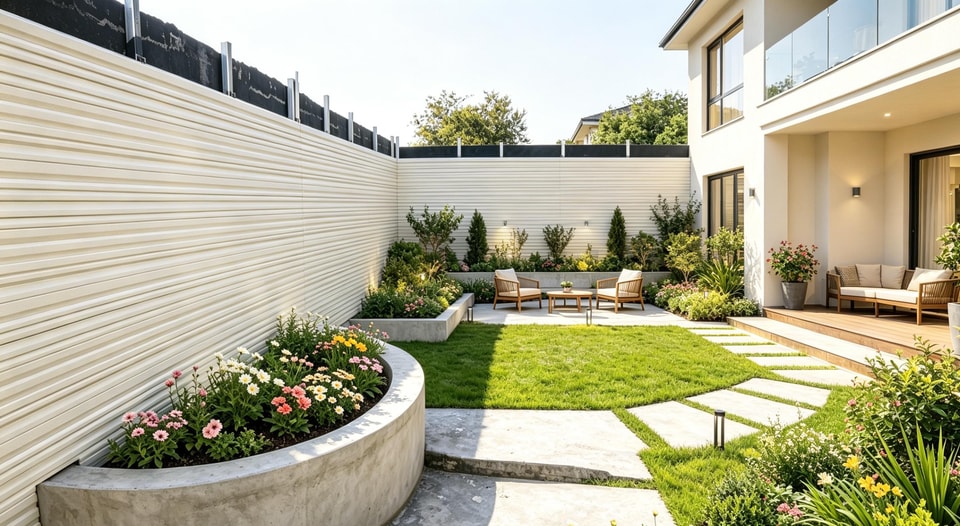
Fiber Cement Siding Installation Guide: Key Steps for Contractors
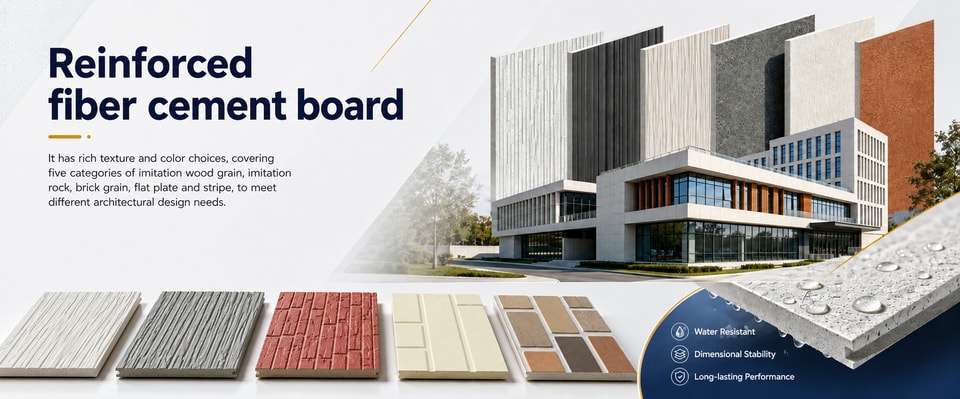
Fiber cement siding is a durable exterior cladding option, yet its long-term performance depends on how carefully it is prepared, handled, fastened, flashed, and finished. For contractors, a disciplined installation process protects the wall assembly, keeps the project within warranty requirements, and reduces costly callbacks. This guide covers the practical siding installation steps for fiber cement exterior wall panels, lap siding, and board-and-batten applications, with guidance that applies across different climates and building codes. Contents 1. What should contractors plan before installing fiber cement siding? 2. Tools, safety gear, and materials that support a cleaner install 3. Wall preparation sets the life of the cladding 4. Core siding installation steps for fiber cement 5. How does fiber cement compare with other home siding options? 6. Common mistakes that lead to callbacks 7. When should a project use professional installation services? 8. Post-install fiber cement maintenance protects the investment 9. Final takeaway 1. What should contractors plan before installing fiber cement siding? Before the first board is lifted, contractors should plan the wall assembly, safety controls, cutting workflow, fastening method, clearances, local code requirements, and manufacturer specifications. Fiber cement siding installation is not simply a carpentry task; it is a moisture-management system that must perform together with the sheathing, weather barrier, flashing, trim, ventilation gaps, and paint or factory finish. Start by confirming the product type. Fiber cement board siding installation may involve lap boards, panels, shingles, trim boards, or battens, and each format carries its own layout rules. Fiber cement board and batten siding installation, for example, demands careful layout so battens land consistently, panel joints stay supported, and vertical drainage paths remain clear. Contractors working internationally should also verify regional wind-load rules, fire-rating expectations, seismic requirements, and local standards for rainscreens or ventilated façades. Before quoting, review site access, staging, waste disposal, removal of the old siding, substrate repairs, and finish requirements. These details shape the fiber cement siding installation cost as much as the material itself. A dense urban retrofit, a coastal home exposed to salt corrosion, and a high-altitude project facing freeze-thaw cycles will each call for different fasteners, flashing details, and labor planning. 2. Tools, safety gear, and materials that support a cleaner install Because fiber cement contains silica, dust control must be treated as a core jobsite requirement rather than an afterthought. Choose cutting methods that limit airborne dust, and follow the safety regulations that apply in your country or region. At a minimum, crews should wear appropriate respiratory, eye, and hearing protection along with gloves, and should cut in controlled zones set away from other workers and building occupants. A well-prepared crew typically needs: · Fiber cement-rated shears, score-and-snap tools, or saws fitted with approved carbide or polycrystalline diamond blades · Dust extraction or wet-cutting methods, where the manufacturer and local safety rules permit them · Corrosion-resistant nails or screws rated for the cladding, substrate, and exposure zone · Weather-resistant barrier, flashing tape, metal flashing, rainscreen components where specified, and a compatible sealant · Levels, chalk lines, story poles, siding gauges, layout tools, and stud finders · Primer or coating for field-cut edges, where the product instructions require it · Lifting, storage, and handling equipment that prevents cracked boards and damaged corners Material storage matters as much as installation. Keep boards flat, dry, well supported, and clear of the ground. Never install saturated siding, and avoid dragging panels across finished surfaces. These simple habits protect the finished appearance and reduce breakage before the work even begins. 3. Wall preparation sets the life of the cladding Even the best siding material will fail when the wall behind it is uneven, wet, or poorly detailed. Strip out failed cladding, inspect the sheathing, and repair rot, delamination, loose framing, or damaged insulation before any new material goes up. Plywood, OSB, masonry-backed assemblies, and framed ventilated façades each require compatible fastening and moisture details. Install the weather-resistant barrier to local code and manufacturer guidance, shingling each lap so water drains outward rather than into the wall. In wet, coastal, tropical, or cold climates, a rainscreen gap may be required or strongly recommended. Mark stud locations clearly, since fasteners must reach structure or approved sheathing at the correct penetration depth. Check the walls for flatness before siding begins. Fiber cement is rigid enough to make waves, humps, and bowed framing obvious once installed. Correct those irregularities early with framing repairs, furring, or approved shimming instead of forcing boards into place. 4. Core siding installation steps for fiber cement The exact sequence varies with manufacturer, climate, and wall type, but most professional fiber cement siding installation follows a disciplined order. 1. Remove and inspect. Strip the old siding where needed, examine the wall, and correct any structural or moisture problems. 2. Install barriers and flashing. Apply the house wrap, membranes, flashing tape, head flashing, kick-out flashing, and sill details so water always has a controlled exit path. 3. Set trim and starter details. Install approved trim, starter strips, and layout lines, and hold the required clearances above roofs, paving, decks, soil, and horizontal flashing. 4. Cut with dust control. Work outdoors or at a controlled cutting station, support boards fully, use the correct blade or shear, and protect field-cut edges as specified. 5. Fasten correctly. Use approved corrosion-resistant fasteners, and avoid overdriving, underdriving, edge blowout, or fastening too close to corners. 6. Maintain laps and gaps. Keep overlaps, expansion gaps, and joint spacing consistent. Lap siding generally calls for a specified overlap, while panels and battens need planned joint treatment. 7. Finish joints and penetrations. Flash every penetration, seal the joints that require sealant, and leave the drainage points that the system needs unsealed. 8. Inspect before painting or handover. Confirm clearances, alignment, fasteners, flashing, and sealant, and replace damaged boards before final coating or sign-off. For many lap siding products, blind nailing is preferred because it conceals fasteners and helps the wall shed water, although face nailing may be required in high-wind zones or specific assemblies. Always follow the product documentation rather than falling back on habits learned from vinyl, timber, or metal siding. 5. How does fiber cement compare with other home siding options? Fiber cement siding is prized for balancing durability, fire resistance, pest resistance, dimensional stability, and design flexibility better than many common home siding options. Next to vinyl, it is heavier, more labor-intensive, and less forgiving to cut, yet when installed well it delivers a more substantial appearance and stronger impact resistance. For contractors, the comparison is about more than the board itself. Vinyl can be faster for some crews and cheaper in upfront labor, while fiber cement demands more planning, specialized tools, and careful moisture detailing. Timber offers natural warmth but usually needs more frequent coating and pest protection. Metal performs well in modern or commercial settings, but its detailing requirements and thermal movement are quite different. The practical takeaway: recommend fiber cement when the client values longevity, curb appeal, fire-conscious design, and a stable exterior finish, and when the budget supports professional installation. If a client is choosing purely on the lowest initial price, explain the labor, maintenance, and warranty implications up front. 6. Common mistakes that lead to callbacks Most fiber cement failures are preventable. Contractors should build quality control into the daily routine rather than waiting for the final inspection. Watch for these problems: · Cutting without adequate dust control or worker protection · Installing over wet, rotten, uneven, or otherwise unprepared substrates · Missing kick-out flashing where roofs meet walls · Fasteners set too close to edges or driven in too deep · Boards brought tight against trim, flashing, masonry, paving, or rooflines without the required clearance · Unprimed or unsealed field cuts where the specification requires protection · Sealing joints that should drain, or leaving open joints that should be sealed · Mixing incompatible sealants, coatings, metals, or fasteners · Overlooking local wind, fire, flood, termite, or seismic requirements A short inspection at the end of each elevation can save hours later. Confirm that courses are level, joints are staggered or aligned as designed, penetrations are flashed, fasteners are correct, and damaged edges are repaired before the scaffolding comes down. 7. When should a project use professional installation services? Professional fiber cement siding installation services are the safer choice whenever a project involves multiple stories, complex flashing, occupied buildings, strict warranty requirements, high-wind zones, fire-rated assemblies, or large-format panels. Skilled DIYers can handle fiber cement on small, simple elevations, provided they have the right tools and dust controls, the discipline to hold a layout, and confidence working around openings and penetrations. Searches such as “fiber cement siding installation near me,” “fiber cement siding installation annapolis,” or “fiber cement siding installation denver” almost always come from owners looking for qualified local help. Contractors win that trust by explaining their installation process, their code awareness, their safety practices, and how they handle moisture details. The same principle holds for international projects: clients want a team that understands both the product and the local building environment. 8. Post-install fiber cement maintenance protects the investment Fiber cement maintenance is relatively simple, but it should never be ignored. Advise clients to wash the siding periodically with gentle methods, keep vegetation trimmed back, maintain the gutters, and inspect sealant joints, paint, penetrations, and flashing transitions. In harsh sun, coastal air, heavy rainfall, or freeze-thaw climates, inspections may need to be more frequent. Contractors should also document the installation as it proceeds. Provide product details, paint information, warranty paperwork, maintenance guidance, and photos of key flashing areas before they are covered up. Good documentation protects the client, supports future service work, and demonstrates professionalism. 9. Final takeaway To install fiber cement well, treat it as a complete exterior system rather than a surface finish. Solid wall preparation, safe cutting, correct fastening, thoughtful flashing, and clear maintenance guidance are what turn a premium cladding product into a long-lasting façade. For contractors, a careful siding installation guide is more than a checklist; it is a way to deliver consistent quality across climates, codes, and client expectations. Welcome to choose our Shengbaoqiang fiber cement boards.
How to Choose Fire-Rated Exterior Wall Panels
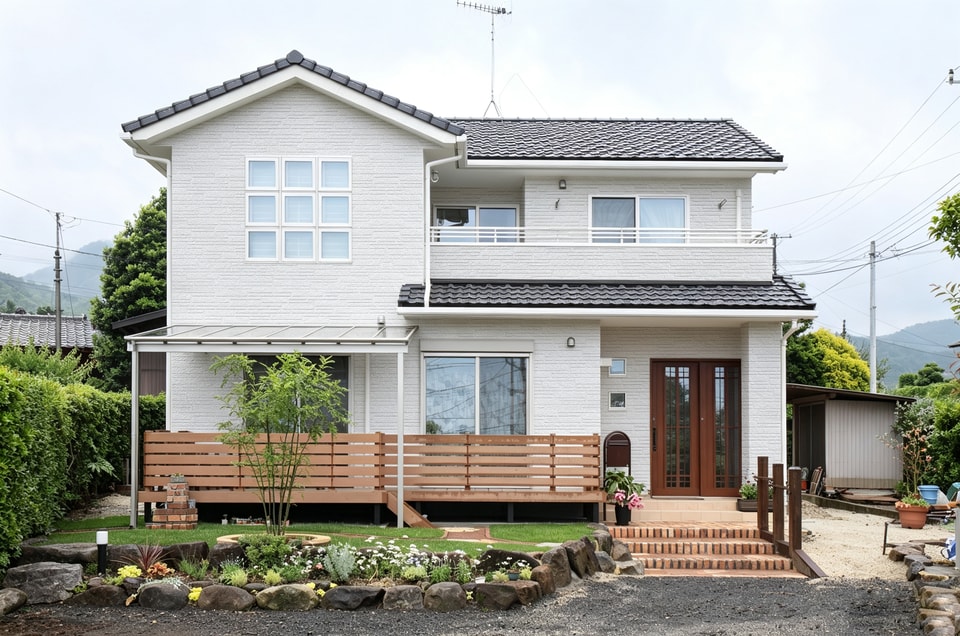
Fire-rated exterior wall panels help protect the building envelope while giving architects, builders, and property owners a clean, durable finish. Our wall panel solutions are designed for projects that need dependable exterior performance, practical design flexibility, and a smarter path to code-conscious construction. Use this page to understand what to look for, how fiber cement options compare, and how to move from product selection to a project-ready specification. Contents 1. What should you look for in fire-rated exterior wall panels? 2. Built for safer exterior wall systems 3. Practical advantages of fiber cement board cladding 4. Product features that matter on real projects 5. A better fit for demanding applications 6. Environmental protection and responsible material choices 7. Specification support for a cleaner buying process 8. Pricing and ordering guidance 9. Choose wall panels that are both high-performance and have a strong sense of design 1. What should you look for in fire-rated exterior wall panels? Choose fire-rated exterior wall panels by checking the tested fire performance, the substrate material, installation requirements, weather resistance, design compatibility, and long-term maintenance needs. A panel is only as useful as the full exterior wall system around it, so review the board, fasteners, joints, weather barrier, cavity details, and local code requirements together. If your project involves multifamily housing, commercial construction, wildfire-prone areas, or property-line walls, selecting the right fire-resistant cladding early can help reduce redesigns and installation delays and reduce the overall cost. 2. Built for safer exterior wall systems Exterior wall systems face more than one challenge at a time. They need to resist flame exposure, shed water, tolerate temperature changes, and maintain a finished appearance through years of service. Fiber cement board cladding is often chosen because it combines mineral-based durability with a familiar panel format that can suit modern, traditional, and mixed-material facades,And it meets the requirements of contemporary social design For teams comparing fireproof wall panels, the goal is not simply to find a label that sounds safe. The goal is to select a tested, compatible assembly that supports the intended use of the building. That means confirming whether the product is appropriate for exterior exposure, how it should be installed, and whether the proposed assembly meets the fire rating or classification required by the project. 3. Practical advantages of fiber cement board cladding Exterior fiber cement board offers a strong balance of performance and design freedom. It can create a smooth contemporary wall, a vertical board-and-batten look, or a durable backing for rainscreen-style assemblies, depending on the product format and installation method selected. Key benefits may include: · Fire-resistant construction support: Cement-based composition can help support fire-rated exterior assemblies when specified and installed correctly. · Exterior durability: Cement fiber boards are commonly used where walls must withstand weather, impact, and everyday exposure. · Design flexibility: Panels can support clean lines, defined reveals, or the look of fiber cement siding board and batten. · Lower maintenance appeal: Fiber cement does not rely on the same vulnerability profile as untreated wood siding. · Project versatility: Suitable panel options can be considered for residential, commercial, institutional, and mixed-use exterior wall systems. The practical value is simple: one product category can help solve several exterior wall problems at once. Instead of choosing between appearance and resilience, builders can specify a cladding approach that supports both. 4. Product features that matter on real projects A product page should make selection easier, not add another layer of confusion. When reviewing fire-rated exterior wall panels, focus on the details that affect drawings, purchasing, installation, and inspection. Look for: · Documented fire performance: Ask for relevant test data, product literature, and assembly guidance. · Exterior-use suitability: Confirm that the board is intended for outdoor cladding or exterior wall applications. · Moisture management compatibility: Review how the panel works with flashing, sealants, weather barriers, and ventilation gaps. · Dimensional options: Choose board sizes and formats that reduce waste and support the desired facade layout. · Finish compatibility: Confirm coating, painting, or factory-finish requirements before ordering. · Installation guidance: Use approved fastening patterns, joint treatments, clearances, and support spacing. · Code coordination: Verify project requirements with the authority having jurisdiction, especially for fire-rated assemblies. These details help prevent a common mistake: selecting a panel first and discovering later that it does not fit the assembly, aesthetic, or inspection pathway. 5. A better fit for demanding applications Fire-resistant cladding is especially useful when the exterior wall is part of a higher-risk or higher-performance building strategy. A school addition, a multifamily corridor wall, a commercial facade near a property line, or a home in a fire-conscious region may all require closer attention to panel composition and assembly performance. Fiber cement board is also useful when the design calls for visual texture without the upkeep associated with some natural materials. For example, fiber cement siding board and batten can create vertical shadow lines and a classic profile while still keeping the exterior focused on durability. In a modern design, larger panels can provide a flatter, cleaner surface with controlled joints and crisp transitions. 6. Environmental protection and responsible material choices Environmental protection belongs in the wall panel conversation because exterior materials affect waste, maintenance cycles, and building durability. A longer-lasting cladding system can help reduce the frequency of replacement, repainting, and discarded material over the life of the building. When panels resist weathering and remain serviceable, the project can avoid unnecessary resource use tied to premature repairs. Fiber cement board also supports practical environmental planning because it can help protect the wall assembly from exterior exposure. Keeping moisture out, managing drainage correctly, and using durable cladding all contribute to a healthier building envelope. For teams pursuing greener construction, product documentation, responsible sourcing information, finish selection, and waste-conscious layout planning should be reviewed before purchase. 7. Specification support for a cleaner buying process The right wall panel solutions should make it easier to move from design intent to installation. That means clear product information, realistic lead-time conversations, and guidance on compatible exterior wall systems. If the project requires a fire-rated assembly, documentation should be gathered before finalizing the specification so the design team, installer, and inspector are aligned. When requesting a quote or technical review, prepare the following: · Project type: Residential, commercial or specialty construction. · Wall application: Full facade, soffit-adjacent condition, rainscreen, or board-and-batten layout. · Required performance: Fire rating or classification target, exterior exposure, and local code concerns. · Design preference: Flat panels, textured finish, vertical boards, reveal system, or fiber cement board cladding. · Approximate quantities: Elevation drawings, square footage, waste allowance, and phased delivery needs. · Installation plan: Contractor experience, framing type, weather barrier, flashing, and fastening approach. This information helps match cement fiber boards to the real conditions of the job instead of guessing from appearance alone. 8. Pricing and ordering guidance The price of fireproof exterior wall panels depends on the product's size, type, thickness, installation requirements, installation methods, accessories, and the overall exterior wall system, etc. It is a price for an integrated structure, not solely determined by the panels but based on the overall project for quotation. Of course, to maintain the efficiency of the overall service quotation, After you have the overall design layout and performance goals, you can request pricing. If this is not the final detail, you can still ask for budget guidance and eventually get the cost confirmed 9. Choose wall panels that are both high-performance and have a strong sense of design Fireproof wall panels should do more than look durable in a brochure. They should fit the building, support the required fire strategy, work with the moisture-management plan, and give installers clear guidance. Exterior fiber cement board is a strong option for teams that want fire-resistant cladding with practical design flexibility and long-term exterior value. Ready to compare options for your project? Share your plans, performance needs, and preferred finish style to get guidance on suitable fire-rated exterior wall panels and a quote for your exterior wall system.
Fiber Cement Board vs Brick Wall: Cost & Performance Comparison
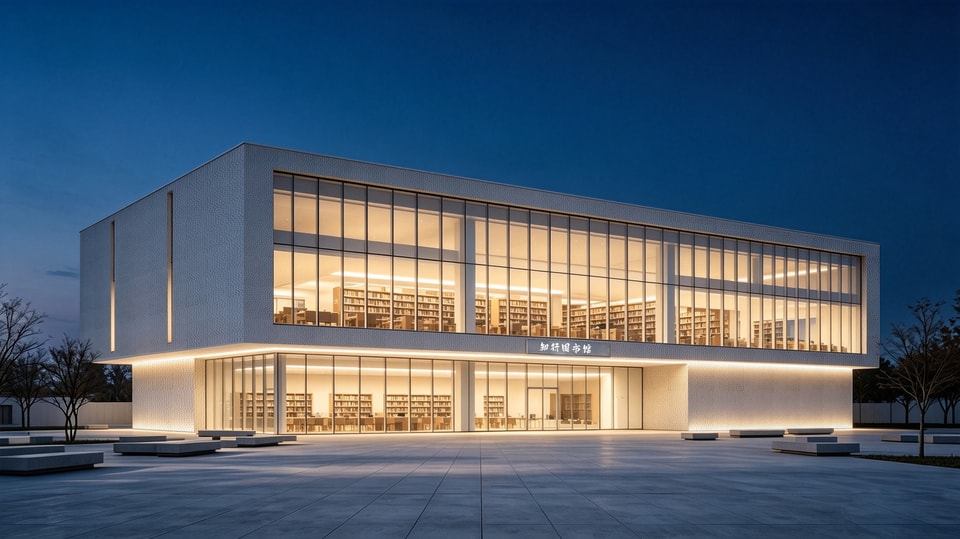
Fiber cement board and brick both create tough exterior walls, but they serve different budgets and design goals. For most US homeowners, fiber cement siding is the more flexible and lower-upfront-cost choice, while brick wins on long-term masonry character, impact resistance, and low repainting needs. The right answer depends on installation budget, climate exposure, maintenance tolerance, and whether the project needs a lightweight cladding or a heavier masonry wall system. Which option costs less ? Fiber cement board usually costs less to install than brick veneer or a full brick wall. Recent US cost guides place installed fiber cement siding commonly around the mid single digits to low teens per square foot, while brick siding is often higher because materials are heavier and skilled masonry labor is more specialized. Actual bids vary by region, wall height, tear-off needs, trim complexity, and whether the project uses panels, lap boards, or a masonry assembly. (thisoldhouse.com) Cost comparison snapshot: · Fiber cement board: Lower typical installed cost, especially for whole-house re-siding, additions, and projects where labor speed matters. · Brick wall or brick veneer: Higher upfront cost, partly due to masonry labor, wall support details, mortar work, and longer installation time. · Budget risk: Fiber cement pricing can rise with detailed trim, paint finish, and cement board installation around windows. Brick pricing can rise with structural support, scaffolding, custom bonds, and difficult site access. · Long-term cost: Brick may need mortar repointing over time, while cement siding may need repainting depending on the finish and exposure. (angi.com) · Which performs better against weather, fire, and wear? Brick delivers excellent durability and a classic exterior with strong resistance to fire, pests, and daily wear. Fiber cement board also performs well for US homes because it resists rot, insects, and fire better than many wood-based siding options, but it relies on correct sealing, flashing, paint, and joint treatment to manage moisture. If you need a waterproof cement panel for a rainscreen, porch wall, or exterior cement board detail, performance depends as much on the wall assembly as on the panel itself. (thisoldhouse.com) Performance by deciding factor: · Moisture control: Brick handles rain well but mortar joints must stay sound. Fiber cement needs proper cement board waterproofing, clearances, caulked joints, and manufacturer-approved flashing. · Weight: Fiber cement is heavy compared with vinyl, but brick is much heavier and may require stronger structural support. · Maintenance: Brick wall benefits include no routine repainting, though mortar can age. Cement siding may require repainting or finish touch-ups. · Design flexibility: Fiber cement siding materials come in lap siding, panels, shingles, and trim-compatible profiles. Brick offers depth, texture, and a premium traditional look. · Best uses for each material Choose fiber cement board when you want a durable exterior at a more manageable project cost, especially for remodeling, second-story walls, modern panel designs, or homes where a full masonry upgrade is not practical. It is also a smart choice when the design calls for clean lines, painted color options, or mixed-material facades. Choose brick when permanence, masonry appearance, and low paint maintenance matter more than upfront savings. It fits custom homes, traditional elevations, high-visibility front facades, and projects where the structure is already designed for masonry loads. Short decision guide · Best for tighter budgets: Fiber cement board. · Best for classic curb appeal: Brick. · Best for lighter wall assemblies: Fiber cement siding. · Best for minimal repainting: Brick. · Best for modern exterior panels: Fiber cement board. · Best for long-term masonry value: Brick, if the budget and structure support it. · For most US projects comparing brick vs cement, fiber cement wins on cost control and design flexibility. Brick wins when the goal is a heavier, traditional exterior with strong longevity and reduced paint maintenance.

Shengbaoqiang fiber cement board
Shengbaoqiang fiber cement board Shengbaoqiang is the factory name behind a practical range of fiber cement board products for builders, contractors, distributors, and project buyers. This page helps you understand where fiber cement board fits, what to consider before ordering, and how to start a clear conversation about your project needs. What can fiber cement board be used for? Fiber cement board is commonly chosen for building and decoration projects that need a stable sheet material for interior or exterior applications. Typical fiber board uses include wall lining, partition systems, ceiling backing, cladding support, underlayment, and other construction surfaces where a cement-based board is preferred over ordinary wood-based panels. Because every project is different, the best board choice depends on where it will be installed, what finish will be applied, and what handling or fixing method your team plans to use. Shengbaoqiang fiber cement board can be discussed according to your use case, so you can match the board to the practical requirements of your site instead of choosing by name alone. Built for practical construction planning A good board supply decision is not only about the panel itself. It is also about consistency, communication, packing, and making sure the material selected fits the work sequence on site. For a distributor, that may mean reliable product categories and clear loading details. For a contractor, it may mean boards that suit cutting, fixing, finishing, and installation planning. When you contact Shengbaoqiang, prepare the basic details of your project so the factory can better understand what you need. Useful information includes: • Intended application, such as wall, ceiling, partition, backing, or exterior support • Indoor or outdoor installation conditions • Preferred board thickness, size, or project specification if already known • Surface finish requirements, such as painting, coating, tiling, or decorative covering • Estimated order quantity and delivery destination • Packing, loading, or documentation needs for your market Product areas for different building needs Fiber cement board is valued because it can serve many roles across building projects. Instead of treating every job the same, start with the function the board must perform. A ceiling board may need different handling expectations from a wall partition board, and a backing board for finishing work may require a different surface approach from a panel used in general construction. Common project categories include: • Interior wall and partition work: suitable for creating flat, prepared surfaces in residential, commercial, or public spaces. • Ceiling and soffit applications: useful where sheet materials need to support a clean, planned finish. • Decorative and finishing bases: selected when the final appearance will come from paint, coatings, panels, tiles, or other coverings. • Project supply and distribution: appropriate for buyers who need repeatable product information, packaging discussion, and factory-level communication. Product specification and test data Before confirming an order, most buyers need to know the board size and the mechanical properties behind it. The table below lists the standard specification of the Shengbaoqiang fiber cement board together with the third-party laboratory test results for the submitted sample. Property Value Test standard Product size (L × W × T) 3030 mm × 455 mm × 16 mm — Density (apparent density) 1.22 g/cm³ GB/T 7019-2024 5.3 Flexural strength (saturated state) 8.6 MPa GB/T 7019-2024 5.7 Bending failure load 2457 N JC/T 2085-2011 6.6 Water absorption 16.5 % GB/T 7019-2024 5.3 Impact resistance No cracks on the front or back face at the impact point GB/T 7019-2024 5.9 Moisture movement 0.05 % JG/T 396-2012 Annex D Thermal conductivity (mean 25 °C) 0.25 W/(m·K) GB/T 10294-2008 Warpage after water absorption 0.06 mm JC/T 2085-2011 6.12 Impermeability No water marks or droplets on the back after 24 h GB/T 30100-2013 16 Test report no. BETC-T4BC-2026-01542, issued by CABR Testing Center Co., Ltd. / National Center for Quality Inspection & Test of Building Engineering (CNAS L0230); testing period 27 August 2026 to 9 September 2026. Bending failure load was measured on a 500 mm × 400 mm specimen at a loading rate of 1000 N/min. Board size, thickness and surface finish can be produced to project requirements — confirm your specification with the factory before ordering. Why work with the Shengbaoqiang factory Working directly with a factory can make product selection more straightforward when you already know your target application. Shengbaoqiang is the factory name, so inquiries can focus on board type, order details, packing expectations, and practical supply requirements rather than passing through unclear product descriptions. This is especially useful for buyers comparing fiber cement board options for multiple projects. You can ask about suitable board categories, share project drawings or specifications when available, and confirm what information is needed before moving toward quotation or sampling. Start with your project details If you are sourcing Shengbaoqiang fiber cement board, begin by describing how the board will be used and what outcome you need on site. A clear inquiry helps the factory respond with more relevant guidance and reduces back-and-forth later. Send your application, size needs, quantity estimate, destination, and any technical requirements you already have. Shengbaoqiang can then help you move from general fiber board uses to a more focused product discussion for your construction or supply plan.
Ultimate Building Exterior Renovation with Fiber Cement Boards
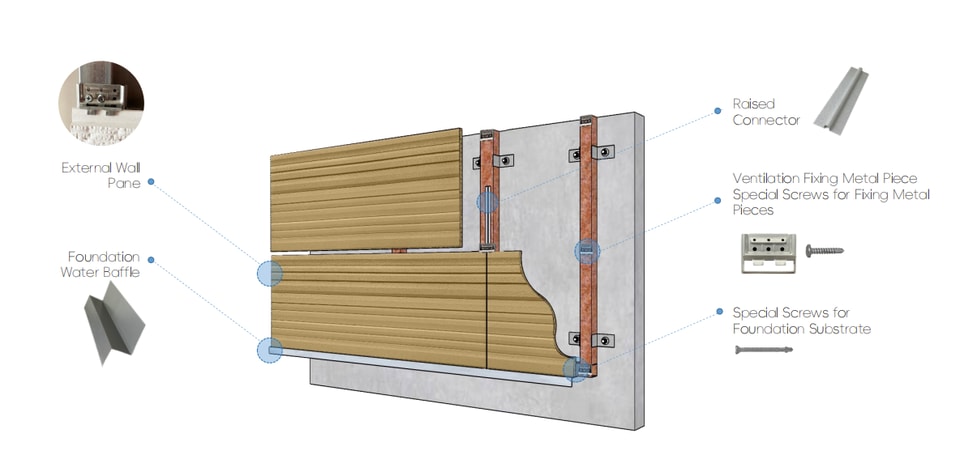
The Ultimate Guide to Renovation of the Building s Exterior Walls Using Fiber Cement Boards If your exterior walls are aging, cracked, faded, or simply no longer match the look you want, fiber cement boards can be a smart renovation choice. They offer the clean appearance of modern cladding with the practical strength homeowners and property owners expect from durable building materials. If you have been searching for The Ultimate Guide to Renovation of the Building's Exterior Walls Using Fiber Cement Boards, this article walks through what the material does, where it fits, and how to plan a smoother exterior upgrade. Why choose fiber cement boards for exterior wall renovation? Fiber cement boards are a popular exterior wall option because they balance appearance, durability, and design flexibility. Made from a cement-based composite, they can be used to refresh worn walls, cover dated surfaces, or create a cleaner architectural finish as part of a broader renovation. For many projects, fiber cement siding gives the building a sharper, more finished look without relying on fragile decorative materials. The main value is that fiber cement board siding can suit many styles. It may be installed as lap siding, larger sheets, textured panels, or smooth modern cladding, depending on the building and design goal. That makes it useful for residential upgrades, small commercial facades, garden buildings, extensions, and renovation project ideas where the exterior needs both protection and visual improvement. Fiber cement siding combines strength with design freedom A good exterior wall renovation should not only look better on day one. It should also handle weather exposure, everyday wear, and changing design tastes. Fiber cement siding panels help because they can create a neat, consistent surface while supporting different finishes and profiles. From a design perspective, fiber cement can work with contemporary, farmhouse, industrial, coastal, or minimalist exteriors. Smooth boards can make a building feel modern and simple. Wood-look textures can add warmth without using natural timber cladding. Larger panels can reduce visual clutter and give older buildings a more current appearance. From a practical perspective, the material is valued because it is dense and stable compared with many lightweight exterior finishes. It is often selected when a renovation calls for durable building materials that can support a long-lasting facade. As with any exterior product, performance depends heavily on correct product selection, proper installation, and routine maintenance. Where fiber cement boards work best Fiber cement boards can be used in many exterior renovation situations, but they work best when the project has a clear purpose. Before selecting a product, look at the existing wall condition, moisture exposure, architectural style, and the amount of maintenance you are willing to perform. Common uses include: Full facade updates: Re-cladding a tired exterior to improve curb appeal and create a more cohesive look. Accent walls: Adding contrast around entries, upper stories, gables, patios, or extensions. Wall repairs and upgrades: Covering or replacing damaged exterior finishes when the underlying structure is sound. Mixed-material designs: Pairing fiber cement siding with brick, stone, render, metal, or timber-style elements. Small structure renovations: Updating garages, sheds, studios, workshops, and accessory buildings. One of the most useful home renovation tips is to decide whether the boards are the main exterior feature or a supporting detail. A whole-building installation needs careful attention to proportion, drainage, trim, and color. An accent area can be simpler, but it still needs correct flashing and edge detailing so it performs well. What should you check before installation? Before starting fiber cement board siding installation, inspect the existing exterior walls, moisture control layers, framing, and any damaged areas. The boards are the visible finish, but the real success of the renovation depends on what sits behind them. If the wall assembly is uneven, damp, rotten, or poorly flashed, new siding can hide the problem rather than solve it. A practical pre-installation checklist includes: Assess the existing wall surface. Look for cracks, soft spots, water stains, loose cladding, mold, or structural movement. Confirm the wall is suitable for cladding. The substrate or framing must be sound, flat enough for installation, and able to accept fasteners. Plan moisture management. Exterior walls need appropriate weather barriers, flashing, ventilation gaps, and drainage paths where required. Choose the right board type. Match thickness, profile, texture, and finish to the building design and local exposure conditions. Check local building requirements. Codes, fire rules, boundary conditions, and wind-load requirements can affect product choice and fastening. Plan trims and transitions. Corners, windows, doors, rooflines, penetrations, and base details should be designed before the first board is fixed. Estimate waste and layout. Careful measurement reduces awkward cuts and helps panels line up cleanly across the facade. This planning stage is where many renovation materials either prove their value or create frustration. A beautiful panel can still look poor if the layout is rushed, the joints are random, or the trim details feel like an afterthought. Planning the look of your exterior walls The best exterior renovations usually start with a visual goal, not just a material choice. Fiber cement siding can look traditional or modern depending on board orientation, joint spacing, color, and trim. Before ordering, collect examples that match your building shape and neighborhood context. Color deserves special attention. Dark colors can create a bold, modern appearance, while soft neutrals often make a building feel larger and calmer. Natural tones can help connect the exterior to landscaping, stonework, or timber details. If you are renovating to sell, neutral palettes may appeal to more buyers; if you are renovating for long-term personal use, a stronger accent may be worth considering. Texture also changes the final result. Smooth fiber cement siding panels feel crisp and architectural. Wood-grain textures add character and may suit homes with traditional rooflines. Large-format panels can make small buildings feel more custom, but they demand precise alignment because uneven joints are more noticeable. How does cement board installation usually work? Cement board installation typically follows a sequence of wall preparation, weatherproofing, layout, cutting, fastening, joint treatment, trim work, and finishing. The exact method depends on the manufacturer’s instructions, the board profile, the wall assembly, and local requirements. In general, the goal is to create a secure, well-drained, and visually even exterior surface. A simplified installation flow looks like this: Prepare the wall. Remove failing materials, repair damage, and create a stable base. Install water-management layers. Add or confirm the correct barrier, flashing, and drainage details. Mark the layout. Establish level lines, joint positions, reveal widths, and board direction. Cut boards safely and accurately. Use suitable tools, support panels properly, and follow safety guidance for dust control. Fasten according to specification. Use the correct fasteners, spacing, edge distances, and fixing method for the product. Detail openings and edges. Finish around windows, doors, corners, vents, and penetrations with planned trims and flashing. Seal, paint, or finish where required. Some products arrive prefinished, while others need coating after installation. Inspect the facade. Check alignment, gaps, fasteners, caulking, drainage paths, and any touch-up needs. For many homeowners, professional fiber cement board siding installation is worth considering because the boards can be heavy, brittle at edges, and unforgiving when layout mistakes occur. A skilled installer will pay close attention to expansion gaps, fastener placement, and moisture details, which are all essential for a clean result. Mistakes that can shorten the life of the renovation Even strong renovation materials can fail early if installed incorrectly. Fiber cement is not a shortcut around good building practice. It needs the right supporting layers and enough attention to detail to handle water, movement, and daily exposure. Avoid these common mistakes: Installing over hidden damage: Rotten framing, trapped moisture, or unstable surfaces should be repaired first. Ignoring manufacturer instructions: Fastener type, spacing, clearances, and sealing requirements are product-specific. Skipping flashing details: Water must be directed away from openings, joints, and vulnerable transitions. Using poor layout planning: Random seams, narrow slivers, and misaligned boards can make an expensive renovation look careless. Forgetting ventilation or drainage: Some wall assemblies need an air gap or rainscreen approach to help moisture escape. Choosing color without testing samples: Exterior colors can look very different in sunlight, shade, and against roofing or landscaping. Underestimating handling needs: Panels can be awkward to carry, cut, and position, especially on multi-story walls. The practical takeaway is simple: the board is only one part of the system. The wall behind it, the installer’s method, and the finishing details matter just as much as the product itself. Fiber cement boards as part of a wider renovation plan Exterior wall upgrades are often most effective when coordinated with other improvements. New cladding can highlight old gutters, tired lighting, cracked paving, or faded trim. If the budget allows, plan surrounding elements at the same time so the finished building feels intentional. Consider combining fiber cement siding with: New exterior paint on doors, fascia, soffits, or trim. Updated outdoor lighting near entries and pathways. Repaired gutters, downpipes, and roof edges. Improved insulation or air sealing where the wall is being opened. Landscaping that complements the new facade color and texture. Cleaner house numbers, mailboxes, railings, or entry hardware. These renovation project ideas do not all need to happen at once. However, thinking about them early helps you avoid conflicts. For example, exterior lights and vents should be positioned before cladding is installed, not after the finished wall has been carefully sealed. Practical home renovation tips for a smoother project A successful exterior renovation depends on decisions made before work begins. Good planning reduces delays, protects the budget, and helps you communicate clearly with suppliers or contractors. It also gives you time to compare renovation materials without rushing into the first product that looks attractive online. Use these tips before committing: Request physical samples. View them outside at different times of day. Confirm maintenance expectations. Ask how often the finish may need cleaning, repainting, or inspection. Plan for access. Scaffolding, ladders, storage space, and waste removal can affect timing and cost. Discuss warranties carefully. Understand what is covered, what is excluded, and what installation conditions must be met. Create a simple facade map. Mark panel direction, colors, trim locations, and feature areas. Keep extra material. Spare boards or matching touch-up products can be useful for future repairs. Photograph hidden layers. Pictures of weather barriers, flashing, and fasteners can help later if maintenance or repairs are needed. These steps are not glamorous, but they often separate a polished renovation from one that feels stressful and improvised. Final takeaway Fiber cement boards can transform tired exterior walls into a cleaner, stronger, and more attractive facade. They are versatile enough for subtle updates or bold redesigns, and they pair well with many architectural styles. The key is to treat fiber cement siding as part of a complete exterior wall system, not just a surface covering. Choose the right product, plan the layout, protect the wall from moisture, and follow the correct installation method. With thoughtful preparation and careful cement board installation, your exterior renovation can deliver both practical protection and a more confident first impression.
Comparison between fiber cement board and other boards
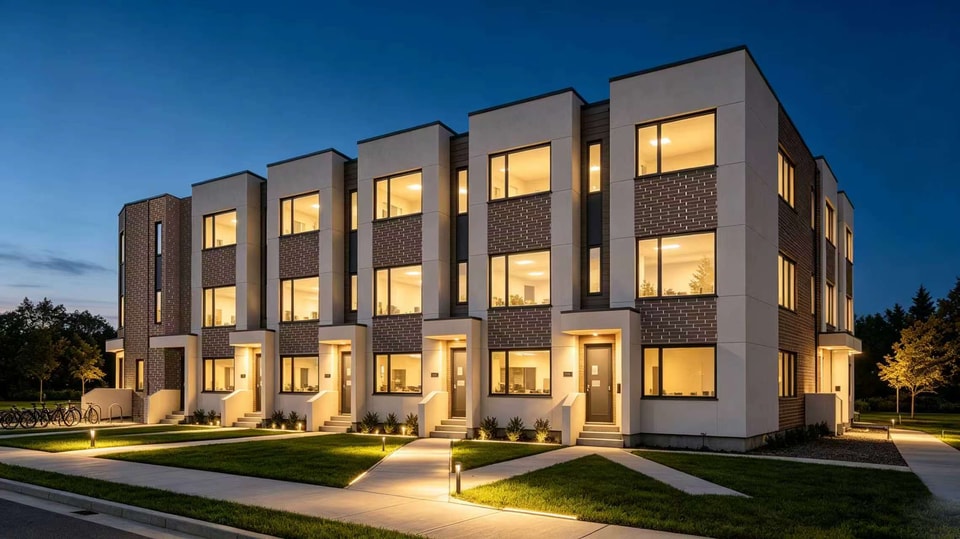
How Can Fiber-Cement Exterior Wall Panels Differ From Other Wall Panels This is Shengbaoqiang (Jiangsu) Environmental Protection New Materials Co., Ltd.Selecting an exterior wall panel system involves more than aesthetic considerations; it must also take into account durability, maintenance, fire performance, weather resistance and long-term costs. When considering exterior wall panel options such as vinyl (PVC), engineered wood, natural wood panels, metal composite panels, brick/stone veneers or stucco, it helps to understand how fiber cement compares to each of them. Often, fiber cement exterior wall panels perform best under certain circumstances but behave differently once installed onto buildings. This guide highlights the key differences to help you select an appropriate panel for your project. What Are Fiber-Cement Exterior Wall Panels? Fiber cement exterior wall panels are cement-based boards reinforced with fibers (commonly cellulose or synthetic). Used as building facade cladding, fiber cement cladding can take the form of large-format panels, vertical boards or plank siding to protect building facades against weather and termite damage. Fiber cement panels are widely known for their strong weather resistance and good fire performance (cement-based). Furthermore, they resist termites and are highly weather resistant compared to rival cladding materials. Various characteristics make fiber cement exterior wall panels stand out: • Strong weather resistance • Good fire performance (cement-based) • Resistance against termite damage • Stable and stylish finishes (smooth, textured or woodgrain) Fiber Cement Wall Panels Vs Vinyl (PVC) Wall Panels Ideal for: budget-conscious residential siding installation projects in mild conditions. • Durability: Fiber cement siding offers greater impact resistance and resistance to cracking/warping in heat than lower-grade vinyl. • Fire performance: Vinyl can melt under high heat; fiber cement typically performs better under fire conditions (check ratings). • Appearance: Fiber cement often appears more “architectural” and solid than vinyl, which tends to look thinner with potential waves or bulging. • Maintenance: Both materials require minimal upkeep; vinyl can discolor over time, while fiber cement finishes depend on coating quality and exposure. • Cost: Vinyl typically offers lower material and labor costs upfront. Summary: Vinyl can be more cost-effective, while fiber cement typically outshines it in terms of realism, rigidity and fire safety performance. Fiber Cement Panels Vs Natural Wood Panels Ideal for: high-end homes and premium aesthetics. • Moisture/rot: Wood is susceptible to swelling if not regularly sealed and maintained, while fiber cement does not rot over time. • Pests: Wood can attract termites; fiber cement is pest resistant. • Maintenance: Wood requires regular staining/painting and inspections, while fiber cement requires significantly less upkeep. • Appearance: Real wood offers unmatched authenticity; fiber cement can mimic woodgrain well but may never match it perfectly. • Sustainability: Wood can be renewable; fiber cement has a larger carbon footprint but a long service life. Summary: Wood wins out when it comes to natural charm, while fiber cement excels with durability and reduced maintenance needs. Fiber Cement Vs Engineered Wood/Wood Composite Panels Ideal for: producing wood-look products with enhanced stability that can outshine solid timber. • Water sensitivity: Many engineered wood products still rely on resins and fibers that may become vulnerable if moisture gets in; in comparison, fiber cement panels tend to be more moisture tolerant. • Impact resistance: Both can be durable, with fiber cement typically outlasting engineered wood; engineered wood tends to dent less but may swell if compromised. • Fire performance: Fiber cement-based panels tend to perform better in fire resistance categories than wood-based ones (check local test standards for more information). • Maintenance: Engineered wood is typically more labor-intensive to maintain; fiber cement tends to be simpler in the long run. Summary: Engineered wood may look beautiful, but fiber cement often offers greater tolerance against wet climate conditions. Fiber Cement Wall Panels Vs Metal (Aluminum/Steel) Ideal for: modern commercial facades, industrial buildings and long spans. • Corrosion: Metal can corrode in coastal or industrial environments, while fiber cement does not rust. • Denting: Metal can dent from impacts; fiber cement is harder but may chip if struck sharply. • Thermal movement: Metal expands and contracts considerably more than fiber cement, which remains more dimensionally stable. • Fire performance: Both fiber cement and metal offer strong fire performance; system design (such as insulation, subframe and cavity barriers) is key. • Aesthetics: Metal's smooth profiles, crisp folds and metallic finishes make an impressive first impression; fiber cement offers more “solid panel” textures and options for a unique aesthetic. Summary: Metal facades can provide elegant modernist touches; fiber cement offers an effective alternative when rigidity without denting is key and cement-based profiles are desired. Fiber Cement Vs Aluminum Composite Panels (ACP/MCM) Ideal for: lightweight commercial design with curved/formed facades. • Weight: ACP is lighter, while fiber cement requires stronger subframing support. • Fire performance: ACP performance can vary widely depending on its core type; fiber cement products tend to be more fireproof (always check certifications). • Flatness and finish: ACP offers very flat surfaces and consistent factory finishes; fiber cement panels may vary with regard to thickness and support spacing. • Repairability: ACP panels tend to be harder to repair invisibly, while replacement is often easier; fiber cement panels can sometimes be replaced more simply. • Cost: ACP can be more costly depending on its specifications and fireproof cores; fiber cement may be preferred when fire and robustness are of primary concern. Summary: ACP is ideal for creating smooth facades, while fiber cement often wins when fire resistance and longevity are crucial considerations. Fiber Cement Vs Stucco/EIFS Both solutions provide a uniform exterior appearance, but complex shapes require different considerations. Joints and movement management should be addressed properly: fiber cement uses a panelized design with strategically placed joints to manage movement effectively, whereas stucco/EIFS remains continuous and can fracture under pressure. • Moisture risk: Improperly detailed stucco/EIFS can trap moisture, while fiber cement rainscreen designs typically manage drainage well. • Repair: Stucco patches may show, while modular replacement panels for fiber cement rainscreen designs make repairs simpler and cleaner. • Impact resistance: Traditional stucco can chip and EIFS may dent, while fiber cement usually offers superior impact resistance. Summary: Stucco/EIFS offers seamless aesthetics, while fiber cement often provides simpler moisture management and panel-by-panel maintenance. Fiber Cement Veneer Vs Brick or Stone Veneers Ideal for: classic looks, high durability and premium curb appeal. • Weight: Masonry veneers may require extra support due to their weight; fiber cement veneers tend to be lighter. • Installation time: Masonry requires more labor; fiber cement installs faster. • Cost: Brick/stone veneer may incur higher labor costs. • Maintenance: While masonry can last for many years without special maintenance such as tuckpointing or efflorescence management, fiber cement generally requires less specialized care in its upkeep. • Aesthetics: Masonry offers an authentic and timeless appearance; fiber cement fits better with modern or mixed styles. Summary: Masonry offers premium durability but takes longer to install; in comparison, fiber cement installation can be faster and more flexible. Quick Comparison Table (High-Level) The table below provides a high-level comparison of the panel types discussed above. Aspect Fiber Cement Vinyl (PVC) Natural Wood Metal ACP/MCM Stucco/EIFS Brick/Stone Moisture/Rot Resistance High High Lower High (watch corrosion) Varies by core Varies by detailing High Insect/Pest Resistance High High Lower High High Varies by detailing High Impact Resistance Medium–High Medium Medium Medium (may dent) Medium Medium High Weight Heavy Light Medium Medium Light Medium Heavy Maintenance Low Low–Medium High Low Low Medium Low–Medium Typical Look Solid / Architectural Residential Natural Modern / Industrial Sleek / Modern Seamless Traditional / Premium Note: Values are indicative. Always verify against manufacturer data and local certification requirements. Which Wall Panel Type Should I Select? • Fiber-cement exterior wall panels offer durable cladding that meets fire and weather requirements while offering reduced maintenance compared to wood alternatives. • Vinyl panels provide a high-end “solid” appearance (whether smooth or woodgrain) with greater design flexibility across residential and commercial facades, plus budget-friendly costs and quick upgrades. • Wood offers authentic natural charm, but requires regular upkeep. • Metal/ACP offers ultramodern looks, crisp lines and lightweight commercial systems. • Stucco/EIFS provides seamless surfaces and complex shapes (with proper moisture detailing). • Brick/stone veneer offers both classic aesthetics and maximum durability (at an increased weight and labor expense). Final Thoughts One key distinction between fiber cement wall panels and other wall panels is their balance: fiber cement is often considered an optimal combination of durability and design flexibility, offering better fire and rot resistance than many common alternatives – without needing frequent maintenance like wood, or being limited by metal and composite restrictions.
An Introduction to Fiber Cement Exterior Wall Panels in Modern Building Exteriors
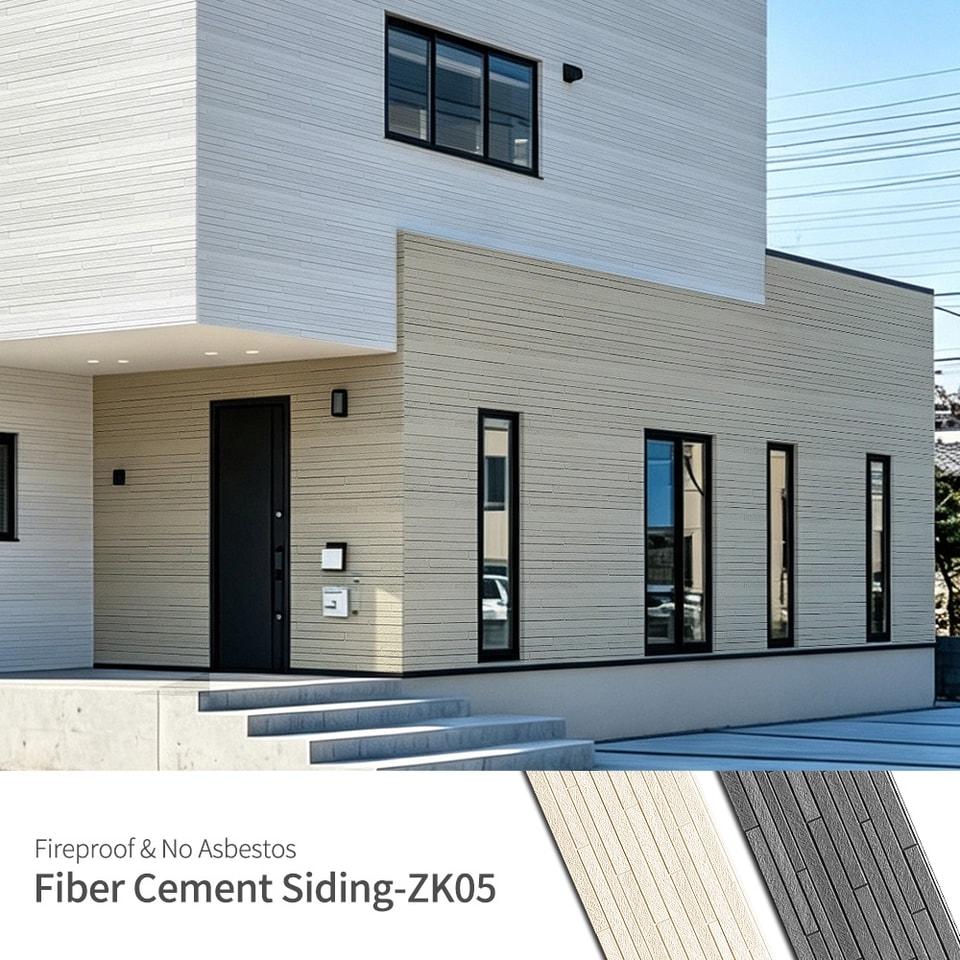
An Introduction to Fiber Cement Exterior Wall Panels for Modern Buildings Fiber cement exterior wall panels are durable facade boards that protect buildings while adding an appealing architectural finish. Fiber cement wall panels are popularly chosen by homes, apartments, commercial buildings, and public projects as they combine strength with weather resistance and design flexibility – while also having low maintenance requirements compared to many traditional exterior materials. Below is a practical breakdown of what fiber cement exterior wall panels are, their composition, how they are installed and their purpose. 1) What Are Fiber Cement Exterior Wall Panels? Fiber cement exterior wall panels (sometimes referred to as fiber cement boards or fiber cement cladding panels) are rigid sheets composed of a cement-based mixture reinforced with fibers that serve as the outermost layer of a wall system, acting like protective shields from sun, rain, wind and impacts while adding visual interest and character. They can be produced as: • Large format flat facade panels (modern, clean lines) • Plank-style siding (horizontal lap look) • Vertical boards (board-and-batten styles) • Textured finishes that mimic wood, stone or smooth painted surfaces 2) What Are They Constructed From? Most fiber cement panels are created using a mixture of ingredients: • Cement (the primary binder) • Mineral fillers such as silica • Reinforcing fibers (usually cellulose or synthetic) • Performance additives to increase strength, stability, and workability Fibers help reduce brittleness and improve durability over plain cement products. How Can Fiber Cement Panels Act as Exterior Claddings? Fiber cement panels typically do not serve as standalone layers; rather, they form part of an exterior wall assembly which typically comprises: • Structural wall/backing (stud walls, concrete walls, etc.) – must be provided before any weather-resistive barrier (WRB) can be placed around them to protect from moisture intrusion. • Subframe or batten/rail systems made of wood or metal – provide a stable mounting surface. • Fasteners (corrosion-resistant screws/nails depending on your system) • Joint design (overlapping, sealed or open-joint detailing) • Flashings and trims around corners, windows and transitions Many projects employ a rainscreen approach, leaving an air gap behind each panel to enhance moisture management and enable faster drying-out after rain showers. Fiber Cement Exterior Wall Panels Offer Many Advantages Solid Weather Resistance Fiber cement stands up well against harsh climate conditions when installed correctly; it resists UV rays, rain and temperature variations while remaining durable over time. Fire Performance Being made of cement-based material, fiber cement cladding is often chosen for projects requiring greater fire resistance (again, always check local ratings/certifications before selecting this solution). Rot and Pest Resistance Fiber cement doesn't rot like wood does and therefore is unattractive to termites. Dimensional Stability Fiber cement generally expands and contracts less than plastic-based claddings, helping maintain straighter lines with more uniform joints. Design Versatility Fiber cement panels come in many colors and textures – ranging from modern panels with sleek surfaces, matte coatings, or woodgrain patterns – making them versatile enough to suit a range of architectural styles. Fiber cement exterior wall panels have many applications; most commonly they are used to protect building walls: • Residential houses and villas • Multi-family buildings and apartments • Schools, hospitals, and municipal buildings • Commercial storefronts and office facades • Renovation projects that require durable over-claddings Consider These Points When Selecting Fiber Cement Panels For optimal performance, it is vitally important to evaluate: • Thickness and panel size: Larger panels may require thicker boards or tighter support spacing for them to remain supported securely. • Installation system: Always comply with your manufacturer's recommended methods, joint details, and subframe requirements when installing their panels. • Moisture detailing: WRB, flashings and proper drainage/ventilation systems must all be present for successful moisture control. • Finish type: Factory-finished panels may reduce site labor while paint-ready boards offer more options. Compliance requirements vary based on building codes and project type. Fire, wind load and impact regulations also need to be satisfied for optimal operation. Fiber cement exterior wall panels are cement-based cladding boards made with fiber-reinforced cement that have been designed to protect buildings while providing a long-term finish that offers visual appeal and architectural freedom. When installed using an appropriate installation system and moisture detailing method, fiber cement wall panels offer the ideal blend of durability, safety, and architectural freedom that makes them a popular choice in both new builds and exterior renovations.
Understanding Fiber Cement Exterior Wall Panels for Builders, Designers and Buyers
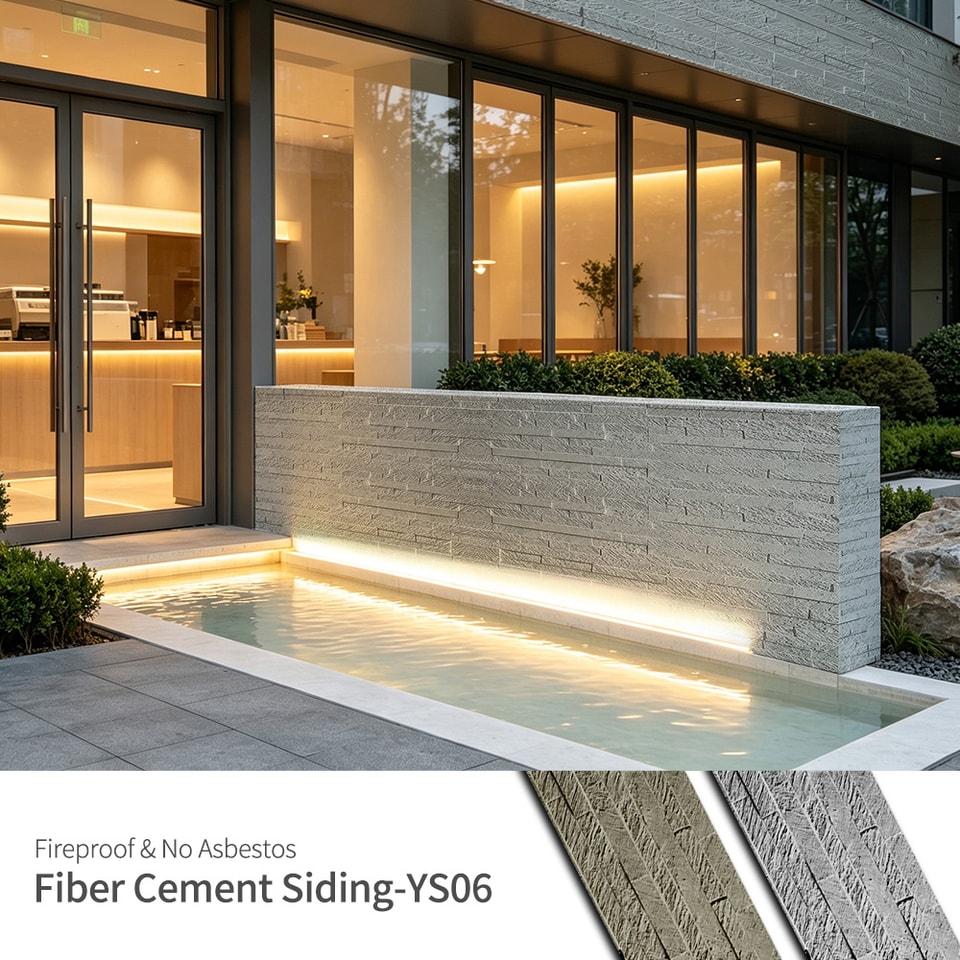
Fiber cement exterior wall panels (often known as fiber cement boards) are an economical and low maintenance cladding material used to protect and decorate building exteriors. Widely chosen by residential and commercial projects alike, fiber cement boards boast premium looks such as painted surfaces or even woodgrain patterns while providing superior weather, fire, and pest resistance performance. Working with a reliable fiber cement board manufacturer or supplier is key when purchasing materials, as is selecting an attractive panel style and thickness. Below is an explanation of what these panels are used for and their effect on fiber cement board siding cost. What Are Fiber Cement Exterior Wall Panels Made Of? Fiber cement panels are cement-based sheets reinforced with fibers to increase strength and toughness. Though formulations vary by producer, most boards include: • Cement (the primary binder) • Silica or other mineral fillers (such as silica sand) • Reinforcing fibers (often cellulose or synthetic) • Additives that enhance workability and performance This combination produces an exterior cladding panel that is more stable than most wood-based products and more fireproof than plastic sidings. What Is Fiber Cement Board Cladding? Fiber cement board cladding refers to using fiber cement panels as part of the outer protective skin for buildings. A typical fiber cement board cladding system comprises more than just the board itself – for instance: • Weather-resistive barriers (WRB) • Fixation systems including wooden battens, steel framing or aluminum rails • Fasteners (corrosion-resistant screws or nails) • Joint designs, including overlapped siding panels with open joints or sealed joints (corrosion resistance is also important when considering joint designs) • Flashings and trims around windows, corners and transitions Many modern fiber cement projects use a rainscreen approach (a ventilated cavity behind the panels) to manage moisture and improve wall durability over time. Common Types of Fiber Cement Wall Panels for Exterior Wall Installation Since fiber cement can be cut, formed, and finished in various ways, it can complement different architectural looks: 1) Large-format wall panels – Clean lines and sleek finishes are key features of modern architecture and facade design, and these systems often utilize expressed joints with open joints (open-joint style) or tight seams, depending on the system of choice. 2) Lap siding/plank boards – Classic horizontal siding appearance, often found in residential applications and light commercial projects. 3) Vertical boards and board-and-batten appearance – Popular styles for modern farmhouse and contemporary facades. Fiber Cement Board with Wood Finish: Simulate the Look of Timber without the Maintenance Requirements Buyers who favor wood finishes often opt for fiber cement boards with wood finishes, as they offer visual warmth without the maintenance needs associated with real wood. Wood-finish fiber cement products typically include: • Embossed woodgrain textures designed to replicate natural timber • Pre-finished colors/stains or paintable surfaces for easy application of stain • Profiles that emulate traditional wood siding patterns Wood-finish fiber cement cladding may be an attractive choice in environments such as coastal regions with heavy rain, high UV radiation levels and termite risk. Fiber cement panels with a wood finish are an appealing yet practical alternative for projects in harsher climates that necessitate wood. Key Advantages of Fiber Cement Exterior Wall Panels Fiber cement boards from an experienced fiber cement board manufacturer can be valued for their many features: • Durability: Outshines light claddings when subjected to weather and impact, when properly installed. • Fire resistance: Cement-based composition generally offers strong fire performance (check test certifications). • Moisture and rot resistance: No wood decay when properly installed. • Pest resistance: Not a food source for termites to feed on. • Design flexibility: Smooth, textured, colored or woodgrain finishes are available. Selecting a Fiber Cement Board Supplier: What to Keep an Eye Out For An effective fiber cement board supplier must offer not only product delivery but also installation support. When selecting suppliers, ask pertinent questions including the following: • Available sizes, thicknesses, edge types (square, shiplap or tongue-and-groove depending on system) and finishes (primer, factory paint, PVDF-style coatings or woodgrain textures, for instance) • Compliance documents (fire, water absorption, freeze-thaw, impact tests based on your market) • Recommended subframe/fastening system and installation guides • Package quality to minimize breakage in transit • Color consistency (tone, texture, dimensional tolerance, etc.) This is especially vital in large facade projects where flatness, color uniformity and tested installation methods are paramount. Cement Board Siding Cost: What Affects Its Price? Fiber cement board siding cost isn't only the board price; it also includes installation fees as well as any necessary upgrades or modifications. The total amount can vary based on several variables, such as board material cost. Materials Considerations • Accessories (starter strips, trims, corner pieces, fasteners and joint tapes/gaskets) Installation Cost Factors • Project height and access (scaffolding/lifts), subframe type (wood vs metal rails), joint design complexity, detailing around windows/doors and cutting requirements as well as dust control practices should all be taken into consideration prior to choosing any construction method. In many instances, factory-finished panels may be more economical and therefore less laborious to install. Whenever comparing cladding options, be sure to request pricing that includes trims, WRB, fasteners, and corner solutions; often these components make up the difference in quotes. Where Are Fiber Cement Exterior Wall Panels Most Frequently Employed? Fiber cement boards have numerous applications: • Residential facades (both new and renovated), multi-family buildings and apartments, schools, hospitals and municipal buildings, as well as mixed-use projects (commercial storefronts, industrial and warehouse office) Conclusion Fiber cement exterior wall panels are cement-based cladding products made up of reinforced fibers designed to both protect buildings and improve aesthetics. As fiber cement board cladding, they are often employed in systems that deliver long service lives, solid fire protection performance, and an array of looks – even those that mimic wood's warmth without its maintenance needs. Prioritize consistent quality, verified testing, and clear installation guidance when choosing your fiber cement board manufacturer or supplier. Also factor into your budget the full costs associated with materials, accessories and installation so your project stays within scope from quote to completion
Fiber-Cement Exterior Wall Panels: A Practical Guide for Materials, Thickness, Cost and Installation
Fiber-Cement Exterior Wall Panels: A Practical Guide for Materials, Thickness, Cost and Installation Fiber-cement exterior wall panels have become an increasingly popular choice for modern building envelopes, as they combine the durability of cement-based products with workability and appearance flexibility. If you are considering fiber-cement cladding options, understanding what is cement board, selecting the appropriate thickness, estimating cement siding cost as well as fiber-cement installation cost will help ensure you budget accurately and specify an effective system. Here is a straightforward, field-focused introduction to fiber-cement cladding for exterior walls: what it is, how it performs, recommended thickness levels and the factors impacting total installed cost are covered here. What Is Cement Board? Cement board is a rigid panel made primarily from cement and mineral fillers reinforced with fibers, designed to resist moisture intrusion, rot, and fire. Cement board is widely utilized for exterior applications. Cement boards typically serve as: • Exterior cement board sheathing under a rainscreen cladding system • A finished fiber-cement cladding panel system consisting of boards or large-format panels installed onto battens/rails – this is considered a completed fiber-cement cladding system. While “cement board” can often be understood to refer to any material made from cement, fiber-cement refers specifically to one that incorporates reinforcing fibers made of either cellulose or synthetic material in order to improve toughness, impact resistance and handling characteristics. Why Opt for Fiber-Cement Cladding on Exterior Walls? Fiber-cement cladding is increasingly chosen for residential and commercial building exteriors due to its many benefits: • Weather resistance: Can stand up well in rain, UV exposure, temperature swings and wind. • Fire performance: Cement-based products tend to be either noncombustible or highly fire resistant, depending on certification status. • Dimensional stability: Greater stability compared to many plastic-based sidings in terms of less expansion and contraction, and decreased biological risk – such as resistance to rot, termites and many forms of fungal damage. • Design flexibility: Available as lap siding, vertical boards, shingle-style panels and large architectural sheets in smooth or textured finishes for design versatility. Fiber-cement exterior wall panels offer numerous advantages that make them a superior alternative to vinyl, wood and some metal cladding systems when durability and fire safety are top considerations. Cement Board Thickness: What You Should Consider and Why It Is Essential Cement board thickness is an often-asked topic in specifications; thickness plays an important role in rigidity, impact resistance, fastener holding capability and overall flatness of boards. Cement board thickness ranges for exterior use Although exact sizes depend on manufacturer and system approvals, common thicknesses include: • 6–8 mm: Used most frequently when supporting panels/boards that require framing support systems to secure them in place. • 10–12 mm: For larger panel formats or wind load conditions. This thickness increases stiffness and offers a flatter appearance. • Specialty/architectural 14–20 mm panels: Used for heavy-duty facade panels, high-impact areas and architectural rainscreens. How to Select the Proper Thickness Considerations should include: • Panel size and subframe strength: Larger panels generally require greater thickness (or a stronger subframe) to minimize deflection. • Wind load and building height: As weight and building height increase, thicker panels with closer support spacing may be required. • Support method: Direct-to-stud, furring strips or aluminum rail systems all present their own specific challenges when it comes to structural requirements. • Finish expectations: Thicker panels can help achieve a more uniform facade with less “waves.” Always adhere to the manufacturer-tested installation system when choosing thickness for commercial facades. Exterior Cement Board vs Fiber-Cement Panels: What Is the Difference? Exterior Cement Board 1. Cement board sheathing 2. Fiber-cement exterior wall panels as substrate layers 3. Fiber-cement exterior wall panels as finished cladding surfaces (where applicable) Exterior Cement Board Sheathing Options Utilized behind cladding to provide a durable, moisture-resistant layer. However, it still requires: • Weather-resistive barrier (WRB) • Flashing details • Proper drainage plane (commonly called rainscreen gap) Fiber-Cement Panels as Exterior Cladding These materials are intended to serve as visible exterior finishes and must be installed as part of an integrated cladding system, complete with: • Subframing (wood battens or metal rails) • Ventilated cavity (rainscreen recommended) • Joint treatments (open joint, gasketed joint or sealed, depending on design) • Fasteners and corrosion-resistant accessories Cement Siding Cost: What Determines Material Pricing? Cement siding costs can vary significantly by region and product type (lap siding vs architectural panels), with pricing decisions ultimately determined by: • Product format: Lap boards vary significantly in price compared to large-format panels, as do thickness and density considerations (thicker panels with higher densities typically cost more). • Factory finishing options: These panels often incur higher upfront costs, yet can save on on-site labor by being pre-painted or coated before arriving on site. • For cost and design considerations, consider woodgrain textures, stone-like patterns or specialty colors such as blue. • Account for shipping and breakage protection measures when transporting such heavy panels. • Starter strips, trims, corner profiles, air/water barrier components and fasteners can make an invaluable contribution to any material package. When evaluating claddings, take into account not just panel prices but the total system costs as a whole. Fiber-Cement Installation Costs: Factors That Determine Your Total Budget Fiber-cement installation costs can often cause budget variances due to differing labor and detailing requirements based on project type. 1. Construction height and access: Multi-story scaffolding, lifts and safety systems add significant labor costs. 2. Subframe type: Wood furring tends to be easier and faster. Aluminum rail systems offer greater adaptability but tend to cost more in terms of material. 3. Rainscreen and WRB detailing: Flashings, tapes, membranes and weeps require time but offer improved durability. 4. Complexity of panel layout: More corners, windows, penetrations and reveals mean more cutting, trimming and labor-intensive work. 5. Joint design: To optimize joint performance, open-joint rainscreens require different accessories and workmanship than their sealed-joint counterparts. 6. Cutting and dust control: Cutting fiber-cement requires specialist blades and dust extraction/control systems, which has an impact on workflow and compliance. 7. Finishing scope: Pre-finished panels reduce on-site work, while field painting adds labor and weather uncertainty. Tip: For an accurate comparison, ask for quotes that list WRBs, subframes, trims, flashings and disposal – these often constitute the hidden gaps between estimates. Performance and Maintenance Expectations Over Time Fiber-cement exterior wall panels generally require minimal upkeep; however, for optimal performance and lasting service: • Periodic inspection of sealants (if utilized), flashings and penetrations to check their condition • Gentle washing to remove dirt/pollution build-up • Touch-up of painted finishes if used in high-impact areas and exposed to wear and tear Fiber-cement cladding systems that are installed correctly with drainage and ventilation cavities offer a long service life in all climate conditions. Quick Checklist Before Selecting a System Before choosing a system, verify the following: • Determine the appropriate cement board thickness based on wind load and panel size • Identify whether exterior cement board will be used as sheathing or as finished fiber-cement facade panels • Estimate total siding costs including trims, fasteners, WRB and freight • Estimate fiber-cement installation cost accurately, including access equipment and detailing • Confirm any fire, impact and weather certifications necessary for your project Fiber-cement exterior wall panels offer the ultimate combination of durability, fireproofing and architectural versatility. By understanding what is cement board, selecting an appropriate thickness and budgeting for both cement siding costs and fiber-cement installation costs, you can create a facade that both looks good and performs reliably over time
Contact Us