
Comparison between fiber cement board and other boards
How Can Fiber-Cement Exterior Wall Panels Differ From Other Wall Panels
This is Shengbaoqiang (Jiangsu) Environmental Protection New Materials Co., Ltd.Selecting an exterior wall panel system involves more than aesthetic considerations; it must also take into account durability, maintenance, fire performance, weather resistance and long-term costs. When considering exterior wall panel options such as vinyl (PVC), engineered wood, natural wood panels, metal composite panels, brick/stone veneers or stucco, it helps to understand how fiber cement compares to each of them. Often, fiber cement exterior wall panels perform best under certain circumstances but behave differently once installed onto buildings.
This guide highlights the key differences to help you select an appropriate panel for your project.
What Are Fiber-Cement Exterior Wall Panels?
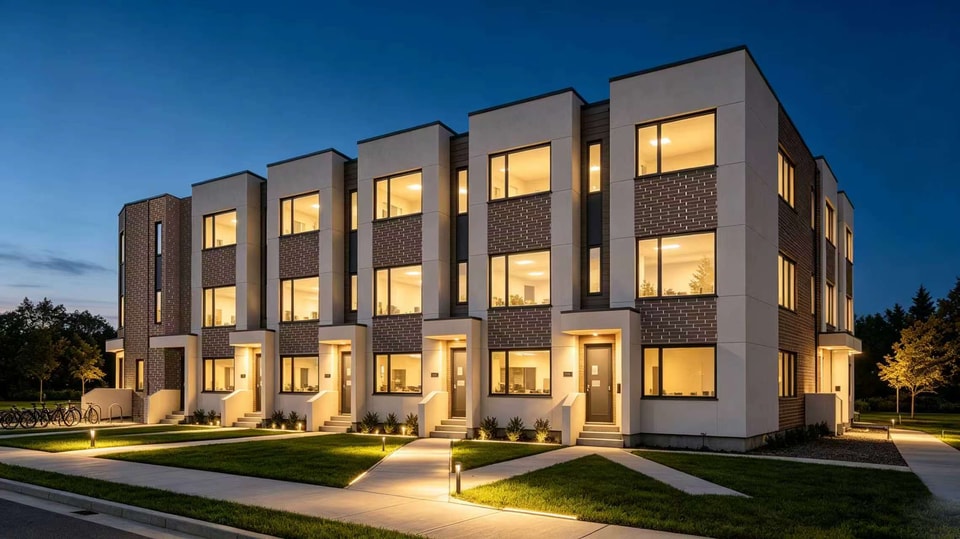
Fiber cement exterior wall panels are cement-based boards reinforced with fibers (commonly cellulose or synthetic). Used as building facade cladding, fiber cement cladding can take the form of large-format panels, vertical boards or plank siding to protect building facades against weather and termite damage.
Fiber cement panels are widely known for their strong weather resistance and good fire performance (cement-based). Furthermore, they resist termites and are highly weather resistant compared to rival cladding materials. Various characteristics make fiber cement exterior wall panels stand out:
• Strong weather resistance
• Good fire performance (cement-based)
• Resistance against termite damage
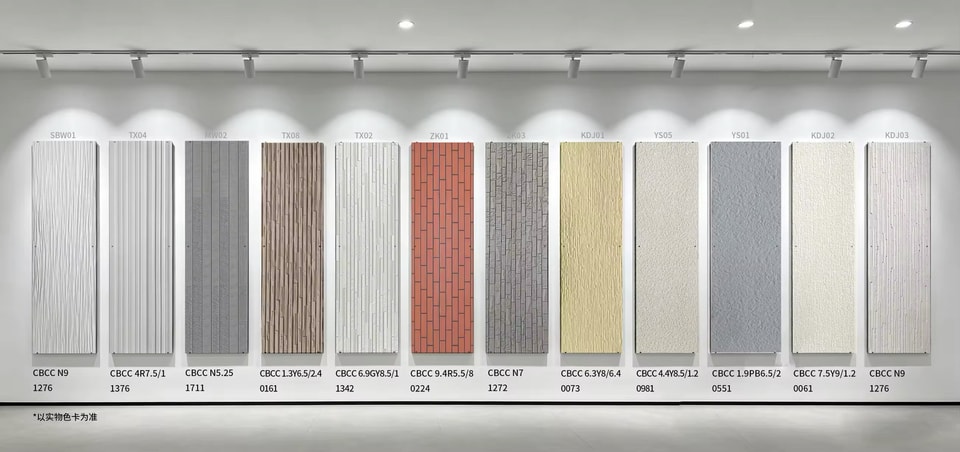
• Stable and stylish finishes (smooth, textured or woodgrain)
Fiber Cement Wall Panels Vs Vinyl (PVC) Wall Panels
Ideal for: budget-conscious residential siding installation projects in mild conditions.
• Durability: Fiber cement siding offers greater impact resistance and resistance to cracking/warping in heat than lower-grade vinyl.
• Fire performance: Vinyl can melt under high heat; fiber cement typically performs better under fire conditions (check ratings).
• Appearance: Fiber cement often appears more “architectural” and solid than vinyl, which tends to look thinner with potential waves or bulging.
• Maintenance: Both materials require minimal upkeep; vinyl can discolor over time, while fiber cement finishes depend on coating quality and exposure.
• Cost: Vinyl typically offers lower material and labor costs upfront.
Summary: Vinyl can be more cost-effective, while fiber cement typically outshines it in terms of realism, rigidity and fire safety performance.
Fiber Cement Panels Vs Natural Wood Panels
Ideal for: high-end homes and premium aesthetics.
• Moisture/rot: Wood is susceptible to swelling if not regularly sealed and maintained, while fiber cement does not rot over time.
• Pests: Wood can attract termites; fiber cement is pest resistant.
• Maintenance: Wood requires regular staining/painting and inspections, while fiber cement requires significantly less upkeep.
• Appearance: Real wood offers unmatched authenticity; fiber cement can mimic woodgrain well but may never match it perfectly.
• Sustainability: Wood can be renewable; fiber cement has a larger carbon footprint but a long service life.
Summary: Wood wins out when it comes to natural charm, while fiber cement excels with durability and reduced maintenance needs.
Fiber Cement Vs Engineered Wood/Wood Composite Panels
Ideal for: producing wood-look products with enhanced stability that can outshine solid timber.
• Water sensitivity: Many engineered wood products still rely on resins and fibers that may become vulnerable if moisture gets in; in comparison, fiber cement panels tend to be more moisture tolerant.
• Impact resistance: Both can be durable, with fiber cement typically outlasting engineered wood; engineered wood tends to dent less but may swell if compromised.
• Fire performance: Fiber cement-based panels tend to perform better in fire resistance categories than wood-based ones (check local test standards for more information).
• Maintenance: Engineered wood is typically more labor-intensive to maintain; fiber cement tends to be simpler in the long run.
Summary: Engineered wood may look beautiful, but fiber cement often offers greater tolerance against wet climate conditions.
Fiber Cement Wall Panels Vs Metal (Aluminum/Steel)
Ideal for: modern commercial facades, industrial buildings and long spans.
• Corrosion: Metal can corrode in coastal or industrial environments, while fiber cement does not rust.
• Denting: Metal can dent from impacts; fiber cement is harder but may chip if struck sharply.
• Thermal movement: Metal expands and contracts considerably more than fiber cement, which remains more dimensionally stable.
• Fire performance: Both fiber cement and metal offer strong fire performance; system design (such as insulation, subframe and cavity barriers) is key.
• Aesthetics: Metal's smooth profiles, crisp folds and metallic finishes make an impressive first impression; fiber cement offers more “solid panel” textures and options for a unique aesthetic.
Summary: Metal facades can provide elegant modernist touches; fiber cement offers an effective alternative when rigidity without denting is key and cement-based profiles are desired.
Fiber Cement Vs Aluminum Composite Panels (ACP/MCM)
Ideal for: lightweight commercial design with curved/formed facades.
• Weight: ACP is lighter, while fiber cement requires stronger subframing support.
• Fire performance: ACP performance can vary widely depending on its core type; fiber cement products tend to be more fireproof (always check certifications).
• Flatness and finish: ACP offers very flat surfaces and consistent factory finishes; fiber cement panels may vary with regard to thickness and support spacing.
• Repairability: ACP panels tend to be harder to repair invisibly, while replacement is often easier; fiber cement panels can sometimes be replaced more simply.
• Cost: ACP can be more costly depending on its specifications and fireproof cores; fiber cement may be preferred when fire and robustness are of primary concern.
Summary: ACP is ideal for creating smooth facades, while fiber cement often wins when fire resistance and longevity are crucial considerations.
Fiber Cement Vs Stucco/EIFS
Both solutions provide a uniform exterior appearance, but complex shapes require different considerations. Joints and movement management should be addressed properly: fiber cement uses a panelized design with strategically placed joints to manage movement effectively, whereas stucco/EIFS remains continuous and can fracture under pressure.
• Moisture risk: Improperly detailed stucco/EIFS can trap moisture, while fiber cement rainscreen designs typically manage drainage well.
• Repair: Stucco patches may show, while modular replacement panels for fiber cement rainscreen designs make repairs simpler and cleaner.
• Impact resistance: Traditional stucco can chip and EIFS may dent, while fiber cement usually offers superior impact resistance.
Summary: Stucco/EIFS offers seamless aesthetics, while fiber cement often provides simpler moisture management and panel-by-panel maintenance.
Fiber Cement Veneer Vs Brick or Stone Veneers
Ideal for: classic looks, high durability and premium curb appeal.
• Weight: Masonry veneers may require extra support due to their weight; fiber cement veneers tend to be lighter.
• Installation time: Masonry requires more labor; fiber cement installs faster.
• Cost: Brick/stone veneer may incur higher labor costs.
• Maintenance: While masonry can last for many years without special maintenance such as tuckpointing or efflorescence management, fiber cement generally requires less specialized care in its upkeep.
• Aesthetics: Masonry offers an authentic and timeless appearance; fiber cement fits better with modern or mixed styles.
Summary: Masonry offers premium durability but takes longer to install; in comparison, fiber cement installation can be faster and more flexible.
Quick Comparison Table (High-Level)
The table below provides a high-level comparison of the panel types discussed above.
Aspect | Fiber Cement | Vinyl (PVC) | Natural Wood | Metal | ACP/MCM | Stucco/EIFS | Brick/Stone |
Moisture/Rot Resistance | High | High | Lower | High (watch corrosion) | Varies by core | Varies by detailing | High |
Insect/Pest Resistance | High | High | Lower | High | High | Varies by detailing | High |
Impact Resistance | Medium–High | Medium | Medium | Medium (may dent) | Medium | Medium | High |
Weight | Heavy | Light | Medium | Medium | Light | Medium | Heavy |
Maintenance | Low | Low–Medium | High | Low | Low | Medium | Low–Medium |
Typical Look | Solid / Architectural | Residential | Natural | Modern / Industrial | Sleek / Modern | Seamless | Traditional / Premium |
Note: Values are indicative. Always verify against manufacturer data and local certification requirements.
Which Wall Panel Type Should I Select?
• Fiber-cement exterior wall panels offer durable cladding that meets fire and weather requirements while offering reduced maintenance compared to wood alternatives.
• Vinyl panels provide a high-end “solid” appearance (whether smooth or woodgrain) with greater design flexibility across residential and commercial facades, plus budget-friendly costs and quick upgrades.
• Wood offers authentic natural charm, but requires regular upkeep.
• Metal/ACP offers ultramodern looks, crisp lines and lightweight commercial systems.
• Stucco/EIFS provides seamless surfaces and complex shapes (with proper moisture detailing).
• Brick/stone veneer offers both classic aesthetics and maximum durability (at an increased weight and labor expense).
Final Thoughts
One key distinction between fiber cement wall panels and other wall panels is their balance: fiber cement is often considered an optimal combination of durability and design flexibility, offering better fire and rot resistance than many common alternatives – without needing frequent maintenance like wood, or being limited by metal and composite restrictions.
Contact Us